What Techniques Does Cotton Candy Grapes Use to Get Their Flavor?
If you’ve ever reached for a snack and wished for something that hits that perfect spot of sweet and flavorful, you’re not alone. Many people struggle to find fruits that satisfy their craving for something both natural and delicious. That’s where cotton candy grapes come in—they offer a unique, irresistible flavor that’s hard to find in regular grapes.
Cotton candy grapes get their unique flavor through advanced breeding techniques that combine specific grape varieties to elevate sweetness and aroma. Growers carefully select parent grapes and use crossbreeding to develop new cultivars with natural cotton candy notes.
They also focus on precise cultivation, ripening at the right time to boost flavor, and use scientific analysis to improve taste.
If you want to uncover more about these flavorful grapes, keep exploring their fascinating origins and cultivation methods.
Key Takeaways
- Selective breeding combines different grape varieties to naturally develop the cotton candy-like sweetness and aroma.
- Genetic crossbreeding helps enhance flavor traits while keeping the desired texture and appearance.
- Proper ripening at harvest is key to maximizing sugar levels and flavor development.
- Organic farming practices and precise irrigation contribute to better overall grape flavor quality.
- Scientific analysis and future genetic techniques are being used to refine and improve the cotton candy grape flavor.
How Do Cotton Candy Grapes Get Their Unique Flavor?
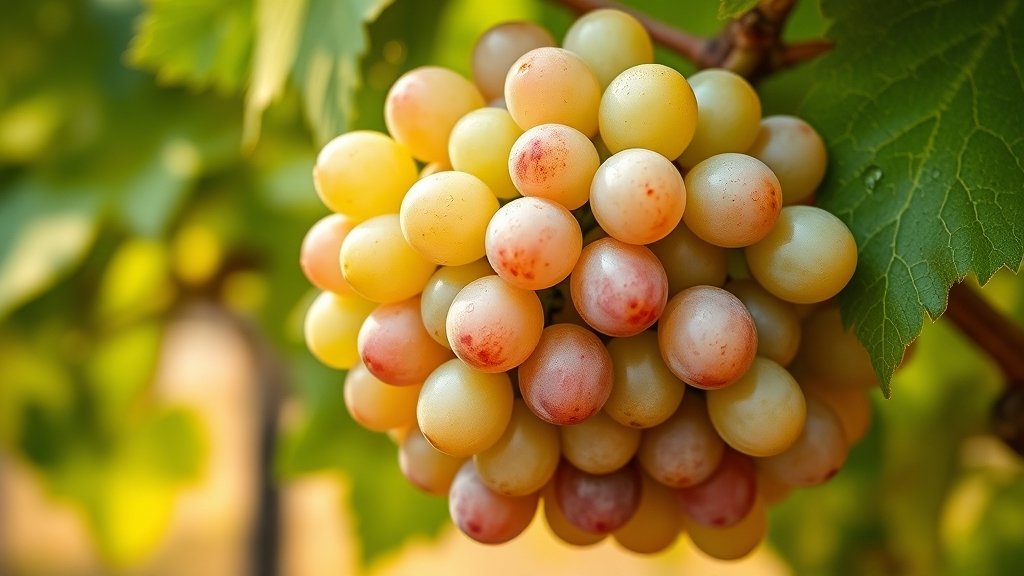
You might wonder how cotton candy grapes develop their distinctive flavor, and it all comes down to careful breeding. This process focuses on taste, aiming to recreate the sweet, sugary notes like cotton candy.
Breeders select parent grapes with specific traits, especially sweetness and aroma, which influence what consumers prefer. Over multiple generations, they refine these qualities to improve the flavor profile.
The goal is to produce a fruit that really appeals to your senses and offers a fun, enjoyable experience. By understanding what people look for—like a burst of sweetness and a pleasant aroma—breeders can focus on creating grapes that taste like cotton candy.
This meticulous selection process shapes the flavor, making sure it matches what people want most in a grape. The result is a fruit that not only tastes good but also satisfies your craving for a nostalgic, fun treat.
How Breeding Creates the Cotton Candy Grape Flavor
You can actually create that cotton candy flavor in grapes through a process called selective crossbreeding. Basically, breeders intentionally combine different grape varieties to see what unique flavors and traits they can develop.
Selective Crossbreeding Techniques
Selective crossbreeding plays an essential role in developing the distinctive cotton candy grape flavor by carefully combining specific grape varieties. By choosing heritage varieties with desirable flavor profiles, breeders can improve certain traits and eliminate less favorable ones.
This process involves selecting parent grapes that contribute unique qualities, like sweetness or aroma, to produce offspring with a balanced and appealing flavor. Through multiple generations of crossing and selecting, you can gradually refine the taste, emphasizing the sweet, cotton candy-like notes.
This targeted approach allows you to harness the natural diversity within grape varieties, ultimately creating a new cultivar that consistently delivers the desired flavor sensation. The precision of selective crossbreeding is key to crafting the signature taste of cotton candy grapes.
Unique Genetic Combinations
The unique genetic combinations from targeted breeding give cotton candy grapes their special flavor. By carefully choosing parent varieties, breeders boost genetic diversity and combine traits to enhance flavor.
These genetic mixes create new grape varieties with specific sugar levels and aromatic compounds, mimicking that sweet, cotton candy-like taste. The process involves crossing different grape lines to maximize flavor while keeping good texture and size.
This genetic diversity allows precise control over flavor development, making sure the grapes consistently deliver that signature cotton candy profile. Through these strategic combinations, breeders uncover complex genetic interactions.
All of this ultimately helps craft grapes that offer a memorable, unique sensory experience based on their carefully engineered genetic makeup.
Cultivation Methods to Grow Better-Tasting Grapes
Growing better-tasting grapes starts with optimizing cultivation techniques that enhance flavor development. Use organic fertilizers to provide essential nutrients naturally, encouraging healthy vine growth and sweeter fruit. These fertilizers boost soil health, which directly impacts grape flavor.
Proper irrigation is just as important; avoid overwatering or underwatering to keep moisture levels steady. Drip irrigation delivers water directly to the roots, making it efficient and reducing disease risks. Managing water stress helps grapes develop concentrated sugars and complex flavors.
Consistent moisture and precise drip irrigation enhance grape flavor and reduce disease risks.
Controlling the vine canopy through pruning improves airflow and sunlight exposure, which further boosts flavor. Regularly monitor soil conditions and adjust fertilization to ensure grapes get the right nutrients at each stage. Combining organic fertilizers with precise irrigation and canopy management creates the perfect environment for grapes to develop their natural sweetness and flavor complexity.
This approach results in a superior-tasting harvest.
How Scientists Analyze and Improve Grape Flavors
Scientists figure out what makes grape flavors special by using really advanced chemical analysis. It’s like they’re taking a close-up look at all the tiny compounds that give grapes their unique taste. This helps them understand exactly what’s responsible for the flavor profile.
They also use genetic breeding techniques to create new grape varieties that taste even better. By mixing different grape genes, they can develop flavors that are more appealing or have other desirable qualities. When scientists combine these methods, it shows how the flavor of grapes keeps getting better thanks to continuous scientific innovation.
Flavor Compound Identification
To understand and improve the flavor of cotton candy grapes, researchers use advanced techniques to identify the specific compounds responsible for their unique taste. They analyze flavor compounds and aroma profiles with methods like gas chromatography-mass spectrometry (GC-MS).
This process helps pinpoint which molecules contribute to that signature cotton candy flavor. You can think of it in three steps:
First, they extract grape samples to isolate the volatile compounds.
Next, they use GC-MS to separate and identify each compound.
Finally, they compare the aroma profiles with known flavors to find the key contributors.
Genetic Breeding Techniques
Building on the understanding of specific flavor compounds, researchers turn to genetic breeding techniques to improve grape taste. They analyze grape genetics to identify genes responsible for desirable flavors and use gene editing to boost these traits.
This process allows for precise flavor enhancement without affecting other qualities. Scientists select parent plants with ideal flavor profiles and crossbreed them to develop superior varieties.
| Technique | Purpose |
|---|---|
| Gene editing | Precisely modify flavor genes |
| Traditional breeding | Combine desirable traits |
| Marker-assisted selection | Accelerate trait identification |
| Flavor profiling | Assess flavor improvements |
How Climate and Soil Impact Cotton Candy Grape Taste
The unique flavor of cotton candy grapes is heavily influenced by the climate and soil where they’re grown. Your grape’s sweetness and aroma depend on these factors shaping their taste.
The flavor of cotton candy grapes is shaped by climate and soil, influencing their sweetness and aroma.
- Temperature: Warm days and cool nights help develop sugars and improve flavor complexity, making the grapes taste sweeter.
- Sunlight: Adequate sunlight intensifies grape ripening, boosting natural sugars and giving that cotton candy-like aroma.
- Soil composition: Well-draining, mineral-rich soils provide essential nutrients, influencing grape growth and flavor. Loamy soils with balanced pH levels give the grapes a tender, juicy texture with a distinctive taste.
Are Cotton Candy Grapes Naturally Flavored?
Are cotton candy grapes truly naturally flavored, or is their sweet taste a result of artificial improvement? These grapes are developed through natural breeding techniques, not artificial flavoring.
Their unique flavor profile comes from selective crossbreeding, which amplifies sweetness and enhances aroma. This process gives them that cotton candy-like taste you love.
You might wonder if additives or flavorings are involved, but rest assured, no artificial ingredients are added. The aroma and flavor come from carefully pairing different grape varieties.
This method allows you to enjoy a fruit that’s true to nature, mimicking cotton candy without any artificial enhancements. So, when you taste cotton candy grapes, you’re experiencing a naturally bred fruit with an authentic, sweet flavor.
Ripening and Harvesting: How They Affect Flavor
Ripening and harvesting are key to shaping the flavor of cotton candy grapes. During ripening, the grapes develop their signature sweetness and aroma, which are crucial for that cotton candy taste.
If you pick the grapes too early, they won’t have fully developed their flavor, making them less sweet and aromatic. On the other hand, harvesting too late can cause overripeness and a loss of freshness.
Here are three main points to keep in mind:
- Proper ripening ensures the grapes reach peak sweetness and aroma, essential for authentic cotton candy flavor.
- Timing your harvest right helps preserve flavor, texture, and freshness.
- Look for signs like uniform color and softness to determine the best time to pick.
Future Techniques to Make Cotton Candy Grapes Even Tastier
Advances in agricultural technology and genetic research hold exciting possibilities for making cotton candy grapes taste even better in the future.
New methods will likely focus on improving flavor through innovative breeding techniques. Researchers are working on combining desirable traits from different grape varieties to boost the cotton candy aroma and sweetness.
Genetic modification might also come into play, allowing scientists to target specific genes responsible for flavor compounds. These efforts could produce grapes with more intense and consistent flavors that consumers will love.
Additionally, precision agriculture will help growers optimize growing conditions to unlock the full flavor potential of the grapes.
Overall, future techniques will center on fine-tuning genetic profiles and cultivation practices, making cotton candy grapes tastier and more enjoyable.
This ongoing research promises a new era of flavor innovation, elevating your grape-eating experience.
Frequently Asked Questions
Are There Any Artificial Flavorings Added to Cotton Candy Grapes?
No, cotton candy grapes don’t have artificial flavorings added to them. Their sweet, cotton candy-like flavor naturally comes from selective breeding and flavor improvement techniques used by growers.
These methods encourage the grapes to develop a unique taste without using any artificial ingredients. So, what you’re getting is a natural, flavorful grape that mimics cotton candy, making it a delightful treat without any artificial additives.
How Long Does It Take for Cotton Candy Grapes to Develop Their Flavor?
You’ll be amazed at how quickly cotton candy grapes develop their flavor—usually within just a few months of growth. During this time, farmers do careful taste tests to ensure the sweetness and cotton candy notes are just right.
The flavor develops so fast that it feels like the grapes are bursting with candy-like goodness almost overnight. This careful process makes sure you get that irresistible, authentic cotton candy taste in every bite.
Can Growing Conditions Change the Flavor Profile of Cotton Candy Grapes?
Yes, growing conditions can change the flavor profile of cotton candy grapes. You can influence their flavor by adjusting factors like sunlight exposure, temperature, and irrigation.
These conditions affect how the grapes develop their sweet, cotton candy-like taste. By carefully managing the environment, you can enhance the fruit’s natural flavors.
This helps make your grapes even more delicious and consistent with the desired cotton candy profile.
Are Cotton Candy Grapes Genetically Modified?
Cotton Candy grapes aren’t genetically modified. Instead, breeders use traditional methods like selective breeding and hybridization.
They focus on combining flavor compounds that mimic cotton candy’s sweetness and aroma. You won’t find any genetic engineering involved.
Breeders carefully select parent grapes with desirable traits, then cross them to improve the flavor profile. This creates these naturally sweet, cotton candy-like grapes without altering their DNA.
What Are the Main Differences Between Cotton Candy Grapes and Regular Grapes?
Imagine you’re in a sci-fi movie. Cotton candy grapes really stand out from regular grapes because of their unique flavor development. They’re a special variety that’s selectively bred for their sweet, cotton candy-like taste.
Regular grapes, on the other hand, focus on classic flavors and aren’t as intensely sweet. The main differences are their flavor and aroma, which come from specific breeding techniques.
You’ll notice cotton candy grapes are more flavorful and give you a fun, nostalgic twist on traditional grapes. Their intense sweetness makes them a pretty special treat.
Conclusion
To enjoy the incredible flavor of cotton candy grapes, you learn about their unique breeding, careful cultivation, and the science behind their taste. You understand that climate and soil shape their sweetness, and that natural processes like ripening influence flavor.
You see that future techniques will further improve their deliciousness. In embracing these methods, you appreciate the harmony of science and nature, making every bite a perfect blend of innovation, tradition, and taste.
Cotton candy grapes use specialized breeding techniques to develop their signature flavor. Growers select and cross specific grape varieties to enhance sweetness and mimic the cotton candy taste.
They also pay close attention to cultivation methods, ensuring optimal soil conditions and climate to boost flavor development. Scientific research helps refine these practices for better results.
Additionally, natural ripening processes allow sugars to develop fully, intensifying the grapes’ sweetness. Future advancements may include even more precise genetic techniques to improve flavor further.
By understanding these techniques, you can truly appreciate the science and nature behind cotton candy grapes’ incredible flavor.