Is Cotton Candy Vegan or Not?
Are you someone who loves indulging in sweet treats like cotton candy but worries about whether they align with your vegan lifestyle? You’re not alone—many people struggle with figuring out which snacks are truly plant-based and ethical.
Navigating the world of confections can be confusing, especially when ingredients and processing methods aren’t always clear.
Cotton candy is generally vegan since its main ingredients—sugar and air—are plant-based. However, concerns arise because sugar may be processed with bone char, and some flavors or colorings could include animal-derived ingredients.
Not all cotton candy is vegan, but you can find vegan options made with natural or plant-based ingredients.
To understand how to identify these snacks and enjoy them ethically, keep exploring what to look for.
Key Takeaways
- Basic spun sugar in cotton candy is plant-based and vegan-friendly.
- Some cotton candy might contain additives or colorings that come from animals or insects.
- Sugar processing methods, like bone char, can raise vegan concerns.
- Production itself doesn’t usually involve animal products, but ingredient sources differ.
- Luckily, vegan cotton candy options are out there, often made with natural colorings and plant-based ingredients.
Is Cotton Candy Vegan? The Key Facts
Is cotton candy vegan? To answer that, you need to look at its origins and ethical concerns. Cotton candy has been around since the late 19th century, made by blending sugar and air to get that fluffy texture.
Originally, it was just simple sugar, but over time, food additives and colorings have been added, which raises questions about whether it’s vegan. One big concern is how the sugar is processed—some methods use bone char, which isn’t vegan.
Some sugar processing methods use bone char, raising concerns about cotton candy’s vegan status.
Manufacturers might also use non-vegan colorings or flavorings, making the vegan status even more complicated. It’s important to think about these factors when deciding if cotton candy fits with your vegan principles.
While the basic spun sugar is plant-based, the production process and ingredients can vary. So, staying informed helps you make ethical choices.
What Are the Main Ingredients in Cotton Candy?
Cotton candy’s main ingredients are surprisingly simple: spun sugar and air. The main component is just sugar, heated until it melts and then spun into thin strands to create that light, fluffy texture.
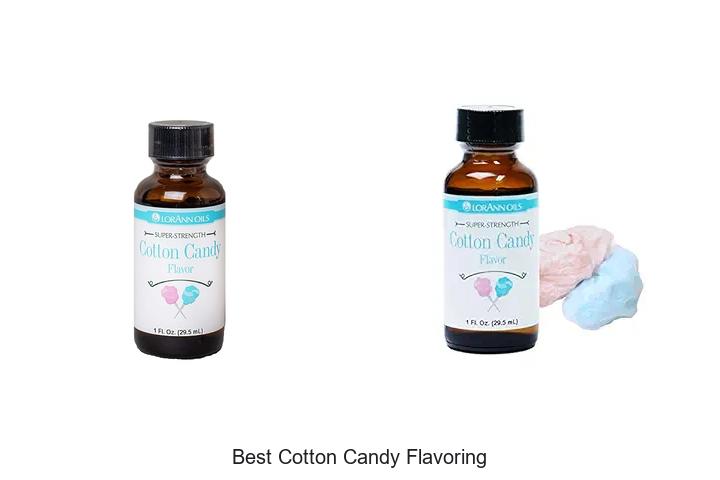
You might notice flavor variations like cherry, blue raspberry, or grape added to improve taste. These flavorings are usually artificial or natural extracts mixed into the sugar before spinning.
While the ingredients seem straightforward, health considerations matter. Since cotton candy is mainly sugar, eating it often can cause blood sugar spikes and potential weight gain.
Some brands also add coloring agents, which might be a concern if you’re avoiding artificial additives. Despite its simple ingredients, it’s good to be mindful of how often you indulge, especially if you’re watching your health.
Knowing the main ingredients helps you understand what you’re eating and make better choices about enjoying cotton candy.
How Is Cotton Candy Made, and Is It Vegan?
To make cotton candy, you heat sugar until it melts into a syrup. Then, you rapidly spin it through tiny holes so it cools and solidifies into delicate, thread-like strands.
The spinning process is crucial because it turns the liquid sugar into fine, airy fibers. Different sugars, like granulated or beet sugar, can be used, but the end product is mostly sugar.
During spinning, the heated sugar is pushed through small openings by centrifugal force, creating thin threads that are collected onto a cone or stick. The whole process is quick and efficient.
This produces the fluffy treat you find at fairs or amusement parks. Since the main ingredient is plant-based sugar, the process doesn’t involve animal products.
However, whether cotton candy is vegan depends on any added ingredients, not on the sugar or spinning process itself.
Could Additives or Flavors Make Cotton Candy Non-Vegan?
Additives and flavors can sometimes introduce non-vegan ingredients into cotton candy, even if the base sugar is plant-based. Many flavor origins involve animal products, like dairy or insect-derived ingredients, which might not be obvious.
Additive sources vary widely, from plant extracts to synthetic compounds, but some still contain hidden animal-derived components. To know if your cotton candy is truly vegan, check the ingredients for any mention of flavoring sources or additives.
| Additive Source | Flavor Origin | Potential Non-Vegan? |
|---|---|---|
| Plant extracts | Fruits, herbs | Usually vegan |
| Synthetic compounds | Artificial flavorings | Usually vegan |
| Animal-derived | Dairy, insects, gelatin | Not vegan |
Are There Vegan Cotton Candy Alternatives?
Are vegan cotton candy options readily available? Yes, there are candy alternatives and sweet substitutes designed to appeal to vegans. Many specialty stores and online shops now offer vegan-friendly cotton candy made with plant-based ingredients.
These options typically replace traditional sugar and artificial flavors with natural fruit extracts or organic sweeteners, creating a similar fluffy texture and sweetness. Some brands also use beet juice or other natural colorings to mimic the vibrant hues of classic cotton candy.
While these vegan alternatives may not be as widespread as conventional versions, they’re increasingly easy to find at vegan markets, fairs, and online platforms. If you’re craving cotton candy without animal-derived ingredients, exploring these candy alternatives is your best bet.
They deliver the sweet, nostalgic taste while aligning with a vegan lifestyle, offering a delicious way to enjoy cotton candy without compromising your values.
Do Brands Offer Vegan Cotton Candy Options?
Many brands now recognize the growing demand for vegan-friendly treats and have started offering cotton candy made without animal-derived ingredients. When exploring vegan options, comparing brands becomes essential to find products that match your values.
Some companies source ingredients like sugar and flavorings from certified vegan suppliers, ensuring there’s no animal product or cross-contamination. Others use natural or plant-based colorings instead of traditional artificial dyes.
It’s important to check ingredient sourcing because some brands still use sugar processed with bone char or additives from animals. Luckily, more brands are transparent about their sourcing practices, making it easier to find vegan-friendly options.
How Can Vegans Safely Enjoy Cotton Candy at Fairs?
Wondering how to enjoy cotton candy at fairs without compromising your vegan principles? The key is to stay informed and cautious. Start with fair tips: always ask vendors about their ingredients and whether their cotton candy is vegan-friendly. Many stalls might not label ingredients clearly, so being aware is essential.
Look for signs indicating plant-based options or ask directly about animal-derived additives like shellac or gelatin. Bringing your own small container of vegan-friendly sugar or snacks can also help if options are limited.
Here’s a quick guide:
| Tip | Action | Why |
|---|---|---|
| Ask vendors | Confirm ingredients | Avoid hidden animal products |
| Read labels | Look for vegan symbols or info | Guarantee ingredient awareness |
| Bring your own snacks | Pack vegan treats for backup | Stay safe and satisfied |
| Observe ingredients | Watch for shellac or non-vegan dyes | Make informed choices |
Common Myths and Concerns About Vegan Cotton Candy
While some might assume that vegan cotton candy is just a myth, there are common misconceptions that can make people hesitant to try it. One such myth is that vegan cotton candy lacks the traditional fluffy texture and sweet flavor, but plant-based versions often replicate these qualities perfectly.
Cultural perceptions also influence opinions. Some see cotton candy as inherently non-vegan because of its association with carnivals and fairs, but the ingredients are usually simple sugar and natural flavorings. Ethical considerations are often overlooked, yet many vegans choose cotton candy made without animal-derived additives like gelatin or artificial dyes tested on animals.
These misconceptions can lead to unnecessary doubts, but understanding the ingredients and ethical practices behind vegan cotton candy helps dispel these concerns. Ultimately, it’s a delicious, cruelty-free treat that aligns with vegan values and the shift toward plant-based options.
Frequently Asked Questions
Are There Any Non-Plant-Based Ingredients in Traditional Cotton Candy?
Traditional cotton candy is usually vegan because it mainly consists of spun sugar and artificial flavoring options.
However, some variations might include non-plant-based ingredients, like certain colorings or flavorings sourced from animal products.
It’s a good idea to check ingredient labels carefully, especially if you’re concerned about hidden animal-derived additives.
Does the Production Process Use Animal-Derived Equipment or Additives?
Imagine a delicate web spun from sugar and dreams. In production methods, animal-derived equipment isn’t usually used; most cotton candy is made with plant-based tools.
But some additives or flavorings might come from animal sources. To be sure, check labels or ask vendors about their equipment and ingredients.
Your choice ensures the sweet treat matches your values and keeps the symbolic web of kindness intact.
Can Vegan-Friendly Cotton Candy Contain Artificial Colors?
Yes, vegan-friendly cotton candy can contain artificial colors. Many brands use artificial colorings and flavorings to create vibrant, appealing treats without animal-derived ingredients.
If you’re looking for vegan options, check labels carefully because some artificial additives might differ between brands. Choosing products labeled vegan helps you avoid questionable ingredients.
But even vegan cotton candies often have artificial colors to make them look more attractive. So, it’s pretty common to see those bright, fun hues in vegan-friendly varieties.
Are Organic or Natural Cotton Candies Typically Vegan?
Organic or natural cotton candies are generally vegan since they use natural ingredients and avoid artificial additives. You’ll find flavor variations that often rely on plant-based extracts, and ingredient sourcing tends to prioritize organic, cruelty-free options.
However, always check labels carefully because some brands might include non-vegan ingredients like honey or beeswax. By choosing brands attentive to ingredient sourcing, you can enjoy vegan-friendly, natural cotton candy with confidence.
How Do Labeling Laws Affect Vegan Claims on Cotton Candy Packaging?
Labeling laws directly impact vegan claims on cotton candy packaging, helping to keep things transparent and guide your choices. Some brands might label their product as vegan, but strict rules require accurate ingredient lists.
That means you can trust what’s on the label. This transparency makes it easier to spot non-vegan ingredients like dairy or gelatin.
Conclusion
So, next time you’re craving that fluffy, sugary cloud of cotton candy, you can enjoy it knowing whether it’s truly vegan or not. Think of it as navigating a sweet-smelling maze—armed with knowledge, you’ll find the path that lets you savor every bite without worry.
Many cotton candies are made with sugar and flavorings that are vegan-friendly, but some may contain ingredients like confectioner’s glaze or certain colorings derived from animal products. It’s always a good idea to check the label or ask the vendor if you’re unsure.
Luckily, there are plenty of vegan cotton candy options available now. So, you’re free to indulge in this carnival classic guilt-free, turning every spun sugar moment into a delightful celebration of choice and compassion.