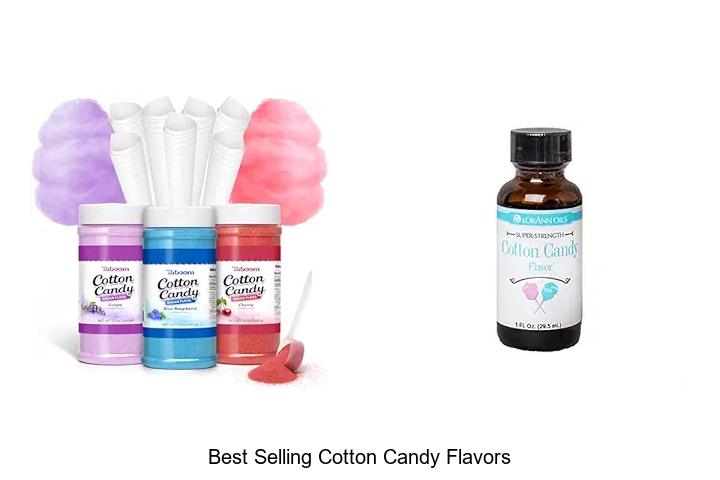
Where Does Cotton Candy Flavor Come From?
Are you a fan of that irresistible cotton candy flavor but often wonder where it actually comes from? You’re not alone—many people struggle to understand how such a sweet, nostalgic taste is created.
Cotton candy flavor comes from a mix of artificial and natural ingredients designed to imitate the sweet, vanilla-like aroma and taste of spun sugar.
Manufacturers blend aroma compounds, sweeteners, and sometimes natural extracts like vanilla or vanillin to create this signature flavor.
These ingredients are heated, whipped, and carefully combined to evoke nostalgia and sweetness.
If you want to uncover the full story behind cotton candy flavor and how it’s made, keep exploring the details below.
Key Takeaways
- Cotton candy flavor is created from a blend of aroma compounds and sweeteners, mimicking the taste of spun sugar.
- Natural extracts like vanilla or vanillin are often used to make it taste more authentic.
- Artificial flavors involve synthetic chemicals made to replicate that sweet, vanilla-like scent.
- These flavor components are extracted and blended, then heated and whipped to get that signature cotton candy taste.
- Both natural and artificial sources come together to give cotton candy its unique flavor profile.
What Is Cotton Candy Flavor and Why Is It So Recognizable?
Cotton candy flavor instantly transports you to fairgrounds and amusement parks, thanks to its sweet, sugary aroma. This flavor is so recognizable because it taps into nostalgic memories that many hold dear.
When you smell it, your senses kick in, bringing back childhood visits, laughter, and excitement. Its distinct taste is a mix of sugary sweetness with a hint of vanilla-like creaminess, making it both comforting and irresistible.
The flavor’s popularity comes from its simplicity and strong connection to joyful moments. As soon as you taste it, your brain links the flavor to carefree days at fairs or carnivals.
Its simple, joyful essence creates lasting memories of carefree days at fairs and carnivals.
This sensory connection explains why cotton candy flavor stays so vivid in your memory. Its unique aroma and taste create an emotional bond that keeps it recognizable across generations.
How Is Cotton Candy Flavor Made?
You might be surprised to learn that cotton candy flavor actually comes from a blend of special aroma compounds and sweeteners. It’s not just random ingredients — these are carefully mixed together during the manufacturing process to get that classic taste you know and love.
Understanding how it’s made really shows you how flavor experts craft that iconic, cotton candy feeling. It’s all about blending the right smells and sweetness to recreate that fluffy, sugary treat in flavor form!
Flavor Components and Sources
The distinctive flavor of cotton candy is crafted through a careful blend of sweet and aromatic compounds, primarily derived from artificial or natural sources. These flavor components evoke sweet nostalgia and are rooted in flavor origins that tap into our memory of childhood treats.
The essence relies on sugar chemistry, where molecules mimic the taste perception of spun sugar. You’ll find that artificial flavorings replicate the sugary, vanilla-like aroma, while natural extracts like vanillin improve authenticity.
Aromatic compounds create the signature sweet scent, and flavorings are precisely balanced to evoke familiarity. Both natural and synthetic sources contribute to complexity, making the flavor rich and layered.
This combination forms a sensory experience that triggers memories and feelings associated with cotton candy, all driven by the science of taste perception and flavor origin.
Manufacturing Process Details
Manufacturing cotton candy flavor involves a precise combination of ingredients processed through specialized techniques. First, flavor extraction plays a key role, where natural or artificial sources are carefully distilled to capture the essence of sweetness and vanilla-like notes.
Ingredient sourcing is essential; high-quality sugars, flavor oils, and stabilizers are selected to guarantee consistency. These ingredients are blended in exact proportions, then heated and whipped to create a light, airy mixture.
During this process, flavor compounds are evenly distributed, resulting in a uniform taste profile. The final step involves filtering and bottling the flavor, making sure it remains stable and potent.
Natural Ingredients Used in Cotton Candy Flavor
Natural ingredients used in cotton candy flavor typically include a combination of fruit extracts, vanilla, and certain aromatic compounds derived from plants. These ingredients are carefully selected for their ability to produce authentic, appealing tastes through flavor extraction.
You might find natural sweeteners like honey or agave syrup to enhance the sweetness without artificial additives. Fruit extracts such as strawberry, raspberry, or cherry often add vibrant, fruity notes.
Vanilla provides a smooth, creamy undertone that balances the overall flavor. Aromatic compounds from plants, like certain esters and aldehydes, mimic the sugary, candy-like aroma of cotton candy.
- Fruit extracts for authentic flavor profiles
- Vanilla for richness and smoothness
- Natural sweeteners for added depth
- Plant-derived aromatic compounds for aroma
- Flavor extraction techniques to preserve purity
These natural ingredients work together to recreate that classic, nostalgic cotton candy taste naturally.
Artificial Compounds That Mimic Cotton Candy Flavor
Artificial compounds that mimic cotton candy flavor rely on carefully crafted chemical ingredients to replicate the sweet, nostalgic aroma and taste. These compounds are developed through flavor chemistry, which combines specific aromatic molecules to evoke a sensory perception similar to real cotton candy.
Common synthetic flavoring agents include esters, such as ethyl maltol, and aromatic aldehydes like vanillin that produce the characteristic sugary scent. These compounds are precisely measured to ensure consistency and achieve the desired flavor profiles in food and beverages.
| Compound | Role in flavor chemistry | Sensory perception effect |
|---|---|---|
| Ethyl Maltol | Sweet, caramel-like aroma | Amplifies sweetness |
| Vanillin | Vanilla notes, smoothness | Adds depth to flavor |
| Isoamyl Acetate | Fruity, banana-like scent | Brightens overall aroma |
| Benzaldehyde | Almond, cherry aroma | Contributes to sweetness |
| Ethyl Butyrate | Pineapple, fruity aroma | Adds complexity |
How Do Food and Beverage Makers Use Cotton Candy Flavor?
Food and beverage makers incorporate cotton candy flavor into a wide range of products to evoke nostalgic sweetness and attract consumers. This flavor is popular in various candy applications, drinks, and desserts, creating a fun and playful experience. You’ll find it in:
- Candies like lollipops and gummies, adding a light, sweet note
- Beverages such as sodas and milkshakes for a playful twist
- Pastries and baked goods, enhancing sweetness with a hint of cotton candy aroma
- Ice creams and sherbets, delivering a nostalgic treat
- Fruit-flavored products where it pairs well with berries, citrus, or vanilla
Flavor pairings are key to emphasizing the cotton candy taste, often combining it with sweet, fruity, or creamy elements. Makers use these applications to craft products that evoke childhood memories while offering a unique sensory experience.
Health Effects of Natural vs. Artificial Cotton Candy Flavors
You might see natural flavors being advertised as the healthier choice, but it’s worth remembering that their effects on your health can really differ. Sometimes, natural doesn’t always mean better or safer. On the flip side, artificial flavors are often associated with potential risks like allergies or other unwanted side effects.
Getting to know the differences between the two can help you make smarter decisions about what you’re eating or drinking. It’s all about being informed so you can choose what’s best for your health.
Natural Flavors and Health
While natural flavors are often seen as healthier options compared to artificial ones, it’s important to understand their potential health effects. They may seem safer, but they can still cause allergic reactions or sensitivities.
Natural flavors come from real food sources, but processing can sometimes introduce contaminants. They’re usually free from synthetic chemicals, which can reduce certain health risks.
However, some natural flavor extracts might contain trace allergens or irritants. The health impact really depends on the quality and source of the ingredients used.
Keep in mind that overusing any flavoring, whether natural or artificial, can negatively affect your health. Knowing where your natural flavors come from and how they’re processed helps you make better choices about including them in your diet.
Artificial Flavors and Risks
Have you ever wondered whether artificial flavors pose more health risks than natural ones? While artificial flavors often include artificial sweeteners, concerns about their safety still exist.
Some people worry that artificial sweeteners might cause headaches, digestive issues, or long-term health problems. But agencies like the FDA carefully review these additives to make sure they’re safe when used as directed.
Natural flavors come from real ingredients, so they’re often seen as healthier. However, they can also contain allergens or contaminants, so it’s not a guarantee of safety.
In the end, moderation is key. Understanding that artificial flavors aren’t automatically dangerous can help you make smarter choices.
If you’re concerned, reading labels and choosing products with clear ingredient lists can help you avoid potential risks linked to artificial sweeteners and flavor additives.
Can You Make Your Own Cotton Candy Flavor at Home?
Ever wondered if you can create your own cotton candy flavor at home? With some simple homemade techniques, you can experiment with flavors and make unique treats.
Start by choosing your flavor base—fruit extracts, vanilla, or even spices. Then, add a few drops to your sugar mixture while heating, allowing for flavor experimentation.
Here are some tips to get started:
- Use food-grade flavor concentrates for strong, pure tastes
- Mix in edible extracts like lemon, raspberry, or coconut
- Adjust sweetness levels to balance the flavor
- Try adding tiny amounts of spices such as cinnamon or cardamom
- Experiment with combining multiple flavors for a custom blend
Future Trends in Cotton Candy Flavor Innovation
What exciting developments can we expect in the future of cotton candy flavor innovation? As the industry evolves, flavor pairings will become more inventive, blending unexpected ingredients like herbs, spices, and fruit extracts to create unique sensory experiences.
Chefs and food scientists are exploring how different flavors can complement each other, enhancing the light, airy texture of cotton candy. Expect to see more personalized options that let consumers customize flavors based on their preferences or mood.
Advances in flavor technology will also lead to more natural and authentic taste profiles, moving away from artificial additives. Moreover, innovative packaging might incorporate aroma-enhancing elements to amplify the sensory experience.
These trends will make cotton candy not just a nostalgic treat but a sophisticated, multi-sensory indulgence that excites the palate and stimulates the senses in new, enchanting ways.
Frequently Asked Questions
Are There Regional Differences in Cotton Candy Flavor Preferences Worldwide?
You’ll find regional differences in cotton candy flavor preferences worldwide, influenced by cultural influences and local tastes.
In some countries, classic vanilla or strawberry flavors dominate, while others enjoy more adventurous options like bubblegum or citrus.
These flavor variations reflect local traditions, ingredients, and preferences, making cotton candy a fun, customizable treat.
Depending on where you are, you might experience a unique twist that mirrors regional cultural influences.
How Long Does Cotton Candy Flavor Typically Last in Products?
Think of cotton candy flavor as a fleeting sunset—bright and delightful, but quickly fading. Usually, its flavor lasts from a few days to a few weeks, depending on ingredient stability and packaging.
Proper storage can help extend the flavor’s life, keeping that sweet, airy taste alive longer. If exposed to heat or moisture, the flavor fades faster, like the sunset’s glow fading into night.
Can Cotton Candy Flavor Be Used in Savory Foods?
Yes, you can use cotton candy flavor in savory foods for fun flavor experiments and unique pairings. It adds a sweet, candy-like note that can work well with spicy or tangy ingredients, creating interesting contrasts.
For example, try adding a hint of cotton candy flavor to popcorn, sauces, or roasted vegetables. Just be mindful of the balance—use it sparingly to enhance your dishes without overpowering them.
What Are the Environmental Impacts of Producing Cotton Candy Flavor Ingredients?
You might not realize it, but making cotton candy flavor has environmental impacts tied to sugar sourcing and flavor extraction.
Growing sugar can cause deforestation, use lots of water, and involve pesticides that harm ecosystems.
Flavor extraction often uses chemicals and energy, which can lead to pollution.
Are There Allergy Concerns Related to Artificial Cotton Candy Flavor Compounds?
You’re walking through a sweet fog of artificial cotton candy flavor compounds, and allergy concerns might be lurking in the mist.
Some people experience allergy symptoms like sneezing, itching, or breathing issues from these synthetic ingredients.
While most tolerate them well, those with sensitivities should check labels carefully.
Being aware of specific flavor compounds helps you dodge potential allergic reactions and enjoy the sugary dream safely.
Conclusion
Now that you know where cotton candy flavor comes from, you can appreciate its sweet roots and the science behind it. Whether you prefer natural ingredients or artificial compounds, this flavor adds a touch of childhood magic to your favorite treats.
Just like enjoying a simple candy or a gourmet dessert, embracing both natural and synthetic versions lets you savor nostalgia or try new tastes.
After all, life’s sweetest moments often come from a perfect blend of tradition and innovation, especially when it involves cotton candy flavor.