DIY Cotton Candy: What Makes It Fluffy and Delicious
Many people love the idea of making fluffy, delicious DIY cotton candy at home, but it can feel tricky to get it just right. You’re not alone—perfecting that cloud-like texture takes some know-how.
Fortunately, with the right tips and equipment, you can create cotton candy that’s both airy and tasty.
To make fluffy, delicious DIY cotton candy, you need to understand how heated sugar is spun into thin, airy threads that trap air bubbles, giving it that cloud-like texture.
Controlling temperature and spinning speed is key, along with using high-quality sugar and proper equipment like a cotton candy machine.
Ensuring your setup is clean and adjusting for humidity helps prevent problems.
Keep exploring for more tips to perfect your fluffy cotton candy at home.
Key Takeaways
- Proper heating and rapid cooling of sugar create thin fibers that make cotton candy fluffy.
- During spinning, incorporating air bubbles gives it that light, airy texture we love.
- Using high-quality, superfine sugar helps prevent grit and boosts smoothness and sweetness.
- Keeping the temperature and spinning speed steady is key to getting fluffy, uniform cotton candy.
- Adding flavorings and visual extras can make it tastier and more eye-catching without losing its fluffiness.
How Cotton Candy Gets Its Fluffy, Cloud-Like Texture
The fluffy, cloud-like texture of cotton candy comes from how sugar is heated and spun into thin fibers. When you make cotton candy, the machine heats sugar until it melts and then rapidly spins it at high speeds.
This spinning process causes the sugar to break into tiny, delicate threads, creating texture variations that give cotton candy its airy, light feel. As the sugar fibers form, air incorporation plays a vital role—tiny air bubbles get trapped within the spun sugar, making it soft and voluminous.
The delicate balance between heat, spinning speed, and air incorporation determines how fluffy and cloud-like your cotton candy becomes. The more air trapped within these sugar fibers, the lighter and fluffier the final product.
This process transforms simple melted sugar into an airy treat that melts easily in your mouth, giving cotton candy its signature soft, cloud-like texture.
The Science Behind Making Cotton Candy Fluffy
Understanding the science behind making cotton candy fluffy involves looking at how heat, spinning, and air all work together. When you heat sugar, it melts into a liquid, making it easy to work with.
As the spinning head turns quickly, it pushes the melted sugar through tiny holes, forming thin threads. These threads cool fast and turn into delicate strands, which is how fluff forms.
During this process, air gets trapped between the sugar filaments, giving cotton candy its light, airy texture. The trick is controlling the temperature so the sugar melts without burning and spinning fast enough to produce fine, fluffy strands.
Essential Ingredients for Perfect Homemade Cotton Candy
The secret to making awesome homemade cotton candy really comes down to the ingredients you use. Starting with high-quality sugar is super important because it melts smoothly and evenly, giving you that perfect fluffy texture.
And don’t forget about the flavoring! Adding flavors carefully is key—too much can overpower the cotton candy, so a gentle touch makes all the difference. When you put these good ingredients together with the right techniques, you’ll end up with a delicious cotton candy every single time.
Quality of Sugar
Choosing the right sugar is key to getting that smooth, fluffy texture in your homemade cotton candy. The best options are superfine or confectioners’ sugar because their fine grains melt quickly and evenly.
Regular granulated sugar can work, but it might leave a slightly gritty feel. A quick texture comparison shows superfine sugar creates a more consistent, airy fluff. High-quality sugar also reduces impurities that can cause clumping or uneven melting.
Avoid cheaper, low-grade sugars that contain additives or moisture. These can mess with your final product’s texture and consistency. Using premium sugar helps ensure your cotton candy stays smooth, light, and delicious.
Proper Flavoring Techniques
Adding the right flavoring is key to making irresistible cotton candy. To get a balanced taste, focus on good flavor pairing—complementing the sweetness of your sugar with flavors that boost rather than overpower.
Natural extracts like vanilla, lemon, or almond provide pure, vibrant flavors that blend smoothly. Use small amounts first, then taste and adjust to your liking.
Make sure to dissolve the extracts thoroughly into the sugar before spinning to ensure even distribution. Avoid over-flavoring, which can mess with the cotton candy’s fluffy texture.
Feel free to experiment with different combinations that suit your taste, but remember that subtlety often works best. By carefully choosing and adding natural extracts, you’ll create cotton candy with rich, delightful flavors that make each bite enjoyable.
Equipment Needed to Make Cotton Candy at Home
To make cotton candy at home, you’ll need some essential equipment that transforms sugar into fluffy, sweet clouds. The most important tool is a cotton candy machine, which spins sugar into fine strands.
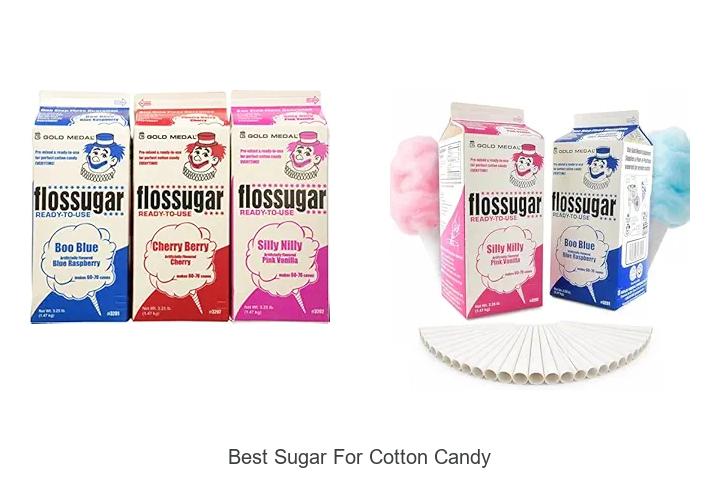
These machines come in various sizes and styles, so pick one that fits your needs. You’ll also need high-quality sugar, like specialized cotton candy sugar or regular granulated sugar with added flavoring.
Some machines work best with certain sugar types, so check the manufacturer’s recommendations. A sturdy, heat-resistant surface or a dedicated stand is helpful for stability during operation.
Keep a scoop or spoon handy to measure sugar accurately. You might also want small bowls for flavorings or colorings.
While optional, cones or sticks make serving easier. With the right equipment, you can easily create fluffy, delicious cotton candy right at home.
Step-by-Step: How to Make Fluffy Cotton Candy
Sure! Here’s a more conversational version of your text:
—
If you want to make fluffy cotton candy, start by choosing the right kind of sugar. You want one that melts smoothly and helps create that light, airy texture we all love. It’s a small step, but it makes a big difference!
Next, it’s all about how you operate the machine. Make sure it heats evenly—that way, the sugar melts just right. Also, spinning at the right speed is key. If it’s too fast or too slow, your cotton candy might not turn out as fluffy as you want.
Choosing the Right Sugar
Choosing the right sugar is crucial for making fluffy cotton candy, as it directly affects the texture and sweetness. The type of sugar you select impacts how well it melts and spins into delicate strands. Use pure granulated sugar, ideally superfine, to guarantee smooth melting. You can also experiment with different sugar colors for fun visual effects.
Here are some tips to keep in mind: Opt for high-quality sugar types to prevent clumping. Use food coloring to add vibrant sugar colors. Avoid adding moisture, which can hinder spinning. Think about blending sugars for unique flavors and shades.
Selecting the right sugar types and colors helps create the perfect fluffy, colorful cotton candy everyone will love.
Proper Machine Operation
Start by setting up your cotton candy machine on a flat, stable surface and plugging it in. Before you begin, make sure the machine is clean and well-maintained to ensure safety and top performance.
Follow safety precautions like keeping your hands away from moving parts and unplugging the machine when you’re not using it. Always start with the correct temperature setting to avoid overheating.
Regular maintenance, such as cleaning the spinning head and checking for sugar buildup, helps prevent malfunctions. Use the table below to see why proper operation is so important:
| Aspect | Importance |
|---|---|
| Machine maintenance | Ensures consistent quality and extends the machine’s lifespan |
| Safety precautions | Prevents accidents and injuries |
| Temperature control | Creates fluffy cotton candy without burning |
| Cleanliness | Stops sugar clogs and protects the machine from damage |
| Proper setup | Ensures even spinning and smooth operation |
Troubleshooting Common Cotton Candy Problems
Even with careful preparation, cotton candy can sometimes have issues that mess with the fun. Common problems usually come from sugar humidity, machine maintenance, flavor strength, or how you serve it.
Even with care, cotton candy can have issues from humidity, machine maintenance, flavor, or serving technique.
If your cotton candy is too sticky or dense, check the sugar humidity. Dry sugar melts better and makes fluffy, airy floss.
Inconsistent fluffiness might be caused by improper machine maintenance. Make sure the parts are clean and working smoothly.
Weak flavor could be due to low flavor concentration. Try increasing the flavoring or adding it during the spinning process.
If your cotton candy breaks apart or doesn’t form well, work on your serving technique. Spin at the right speed and angle for the best results.
Fixing these issues quickly helps you troubleshoot better and get each batch just right. Regular cleaning, adjusting humidity, and perfecting your serving method all help make consistently delicious, fluffy cotton candy.
How to Achieve Consistent Fluffiness and Sweetness
Achieving consistent fluffiness and sweetness in cotton candy depends on controlling key factors during preparation and serving. To get the right sweetness balance, use high-quality sugar with a small amount of corn syrup to prevent crystallization and ensure smooth melting.
Pay close attention to your fluffiness techniques. Spinning the sugar at the correct temperature and speed creates light, airy strands. Consistency comes from maintaining a steady heat source and avoiding sudden temperature changes.
Also, portion your sugar carefully. Too much can make the candy denser, while too little results in less flavor. To improve fluffiness, keep the sugar mixture smooth and avoid overworking it.
When serving, store the cotton candy in a breathable container to keep its airy texture. By mastering these techniques, you’ll produce cotton candy that’s reliably fluffy and perfectly sweet every time.
Creative Flavors and Variations for Cotton Candy
Adding creative flavors and variations to cotton candy can elevate your treat from classic to extraordinary, appealing to a wide range of tastes. You can experiment with unique flavor combinations like lavender and lemon or spicy cinnamon and vanilla to create memorable twists.
Seasonal variations also add excitement, such as pumpkin spice for fall or peppermint for winter holidays. To keep things fun and fresh, consider adding edible glitter or colored sugars for visual appeal.
You might also try infusing the sugar with fruit extracts or herbs for subtle, sophisticated flavors. For a truly personalized touch, mix in small candies or sprinkles that match your theme or occasion.
These variations let you craft cotton candy that’s not just sweet but also tailored to your preferences and seasons. With a little creativity, you’ll turn simple cotton candy into an impressive and delicious treat everyone will love.
Frequently Asked Questions
Can I Make Cotton Candy Without a Machine?
Yes, you can make cotton candy without a machine using a simple homemade method. It might not be as fluffy as store-bought or machine-made versions, but it’s still fun to try.
You can melt sugar, add homemade flavorings, and then stretch and twirl the melted sugar to create cotton candy-like strands. It’s a creative way to enjoy homemade treats without any fancy equipment.
Knowing a bit about cotton candy’s history can help you appreciate this fun process even more. Give it a try and see how it turns out!
How Long Does Homemade Cotton Candy Stay Fresh?
Homemade cotton candy stays fresh for about 24 hours if stored properly, but humidity and sugar types can affect how long it lasts.
While it might seem fragile like a delicate snowflake, keeping it in an airtight container helps protect against moisture. Using pure sugar or flavored varieties can also impact its longevity.
Is It Safe to Eat Homemade Cotton Candy?
Yes, homemade cotton candy is safe to eat if you follow safety precautions and use proper ingredient sourcing.
Always make sure to use food-grade ingredients and clean your equipment thoroughly. Handle hot sugar carefully to avoid burns, and keep it away from children and pets.
What Are Common Mistakes to Avoid When Making Cotton Candy?
“Measure twice, cut once” applies here—avoid common mistakes by using the right sugar types, like superfine or floss sugar, to ensure smooth spinning.
Don’t rush the process, or your cotton candy might turn out too dense or sticky.
Experiment with flavor combinations, but be careful not to add too much liquid or flavoring early on, as that can clog the machine.
Patience and precision are key to making your cotton candy fluffy and delicious.
Can I Use Alternative Sweeteners for Cotton Candy?
You can try using alternative sweeteners for cotton candy, but results may vary. Common options like honey or agave might not melt evenly, which can affect how fluffy the cotton candy turns out.
Some people experiment with adding different flavors, like extracts or natural sweeteners. Just make sure the sweetener melts properly at high heat to avoid any issues.
Keep in mind, using non-traditional sweeteners can change the texture and taste. A bit of trial and error is usually necessary to find what works best.
Conclusion
Now that you understand what makes cotton candy fluffy and how to make it at home, you’re ready to create your own sweet, cloud-like treats.
Remember, the key is in the right ingredients, proper equipment, and patience. Don’t worry if things don’t go perfectly at first—that’s all part of learning.
With a little practice, you’ll be able to enjoy perfectly fluffy cotton candy that’s as delicious as it is fun to make. Happy spinning!