Understanding Cotton Candy Sugar: A Quick Guide
Are you tired of dealing with uneven, sticky cotton candy or struggling to find the right sugar that melts perfectly? You’re not alone—many people find it tricky to get that fluffy, airy treat just right.
The secret often lies in the type of sugar used, especially cotton candy sugar.
Cotton candy sugar is a specially formulated, high-purity sugar designed to melt quickly and turn into fluffy, airy cotton candy when heated and spun. It typically contains finely refined granulated sugar, sometimes flavored or colored for visual and taste variety.
The quality and purity of the sugar are key to ensuring a smooth, consistent result, while different types offer unique flavors and appearances.
If you want to learn more about choosing, using, and troubleshooting cotton candy sugar, keep exploring these insights.
Key Takeaways
- Cotton candy sugar is a specially refined, pure sugar made to melt quickly and help create fluffy, airy cotton candy.
- It might also include flavorings, colorings, and specialty blends to add visual appeal and variety in taste.
- When choosing quality sugar, look for purity, safety certifications, and avoid artificial fillers or dyes.
- Proper heating and spinning techniques are key to turning molten sugar into delicate cotton candy fibers.
- Good packaging and storage help keep moisture out, so the sugar stays effective and the cotton candy remains perfect.
What Is Cotton Candy Sugar and How Is It Different?
Cotton candy sugar might look like regular granulated sugar, but it’s specially made for making that fluffy, melt-in-your-mouth treat. Its roots go back to the late 19th century, when cotton candy first became popular at fairs and amusement parks.
Unlike typical sugar, cotton candy sugar is designed to melt quickly and evenly when heated, creating those thin, airy strands. It’s usually a finer, purer form of sugar, sometimes with added flavorings and colorings to make the final product more appealing.
Regular granulated sugar has larger crystals and impurities that don’t produce the same delicate texture. The main difference is in how it’s processed and formulated—cotton candy sugar is made specifically for spinning into those signature fluffy clouds.
What Are the Main Ingredients in Cotton Candy Sugar?
The main ingredients in cotton candy sugar are simple but carefully chosen to get that unique melting and spinning effect. The primary ingredient is pure granulated sugar, usually from cane or beet sugar, because it melts consistently and spins into fine, airy fibers.
Pure granulated sugar from cane or beet ensures smooth melting and airy cotton candy fibers.
Some recipes also use specialty sugars like superfine or powdered sugar to ensure smooth spinning. To add flavor, manufacturers mix natural or artificial flavorings into the sugar before spinning, giving you options from vanilla to fruity or exotic tastes.
Food-grade coloring might also be added for visual appeal. While sugar is the main ingredient, the different types and flavorings give cotton candy its distinctive taste and vibrant look.
Choosing these ingredients carefully makes sure the cotton candy melts smoothly and provides a sweet, fluffy experience every time.
Why Does Purity and Quality Matter in Cotton Candy Sugar?
Using pure sugar in cotton candy is really important because it makes sure the treat is safe to eat. When the sugar is pure, there’s less chance of contaminants that could cause health problems. So, you can enjoy your cotton candy without worries.
Plus, high-quality sugar makes a big difference in how it tastes. It helps bring out a richer, more consistent flavor, so your cotton candy isn’t just sweet—it’s delicious every time. When you go for pure, top-grade sugar, you’re getting a safer, tastier treat that’s sure to satisfy.
Pure Sugar Ensures Safety
Because purity directly impacts safety, choosing high-quality cotton candy sugar is essential. When you select pure sugar, you’re reducing the risk of contaminants that could compromise sugar safety.
Quality ingredient sourcing guarantees that the sugar is free from harmful additives and impurities, making it safer for consumers. Poor-quality sugar might contain residues or contaminants from questionable sources, which can pose health risks.
Ensuring the sugar is pure and sourced responsibly helps maintain the safety standards necessary for food products like cotton candy. By prioritizing ingredient sourcing and purity, you protect your customers and uphold your reputation.
Ultimately, pure sugar isn’t just about taste—it’s about ensuring the safety and well-being of everyone enjoying your cotton candy.
High Quality Enhances Flavor
When the cotton candy sugar is high quality, it directly boosts the flavor, making each bite more delightful. Higher quality sugar guarantees a stronger flavor improvement, giving your cotton candy that authentic, sweet taste. The impact of quality is noticeable because pure, well-processed sugar melts evenly and releases consistent flavor.
Using inferior sugar can result in a bland or overly caramelized taste, which diminishes the overall experience. High-quality sugar guarantees a smooth, even melt, preserves natural sweetness, and prevents off-flavors. It also improves aroma and appearance, making your treat more appealing.
Choosing high-quality cotton candy sugar means you get a richer, more enjoyable treat. It highlights the importance of purity and quality in every fluffy bite, ensuring a better flavor with each serving.
How Does Cotton Candy Sugar Turn Into Fluffy Cotton Candy?
To turn cotton candy sugar into its fluffy form, heat is applied to melt the sugar crystals into a liquid. As the sugar melts, it turns into a hot, sticky syrup that’s ready to be spun into cotton candy.
When you spin the heated sugar, the rapid cooling causes the liquid to solidify into thin, delicate filaments. This process, called sugar melting, creates the fluffy texture you see in cotton candy.
As the sugar spins outward, it forms fine strands that trap air, making the cotton candy light and airy. The trick is keeping the right temperature so the sugar melts smoothly without burning or caramelizing.
Once spun, the melted sugar cools quickly and solidifies into a soft, cloud-like structure. This transformation from liquid to fluffy cotton candy is what makes it both fun to eat and visually appealing.
What Are the Different Types of Cotton Candy Sugar?
There are several types of cotton candy sugar, each designed to produce different flavors, colors, and textures. These variations let you customize your cotton candy experience, whether you want classic sweetness or something unique.
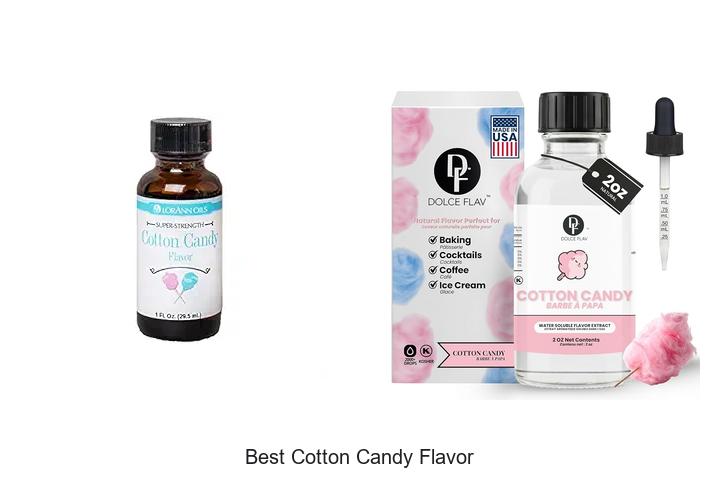
Flavor options include cherry, blue raspberry, and vanilla, giving you plenty of tasty choices. You can also choose from vibrant pinks and blues or more subtle shades to make your display eye-catching.
Enjoy vibrant cherry, blue raspberry, and vanilla flavors, plus colorful shades to make your cotton candy truly eye-catching.
Different sugars have varying textures, which affect how smoothly they spin into fluffy clouds. Some sugars are infused with natural or artificial flavorings, while others are plain, so you can add your own during preparation.
You might also find flavored sugars like bubblegum, grape, or caramel. Multi-color blends are popular for creating visually stunning treats.
There are natural flavor options made with organic ingredients, perfect if you want a more health-conscious twist. Some sugars even come with added glitter or shimmer effects for extra sparkle.
Lastly, some types of sugar are specially designed for certain machines or spinning speeds, ensuring the best results every time.
How to Choose the Best Cotton Candy Sugar for Your Needs
Thinking about picking out the perfect cotton candy sugar? It’s a good idea to think about the types and flavors that match your personal taste and the vibe of your event. Whether you’re going for classic pink and blue or something more adventurous like bubblegum or tropical fruit, choosing the right flavors can really make your cotton candy stand out.
While you’re at it, don’t forget to check the ingredient quality. You want to make sure the sugar is safe to eat and will give you that sweet, fluffy goodness you’re after. Reading labels and sticking to reputable brands can help you get the best taste without any worries.
And lastly, pay attention to how you store your cotton candy sugar. Proper packaging and storage will keep it fresh and ready to use whenever the mood strikes. Just a little prep can make a big difference in enjoying perfect cotton candy every time!
Sugar Types and Flavors
Choosing the right cotton candy sugar starts with understanding the different types and flavors available. There are various sugar varieties, from traditional granulated sugar to specialty blends designed for cotton candy machines.
Flavor combinations range from classic vanilla and strawberry to more adventurous options like bubblegum or cotton candy. Your choice depends on the taste you want and the theme of your event.
Here are some key points to consider:
- Traditional sugar varieties for smooth melting and vibrant colors
- Flavored sugars for unique taste experiences
- Sugar blends that combine multiple flavors
- Organic or natural options for health-conscious choices
- Specialty flavors for themed occasions or custom creations
Knowing your options helps you craft the perfect cotton candy, whether you’re having fun or doing it professionally.
Ingredient Quality Standards
Selecting high-quality cotton candy sugar guarantees your treats come out perfectly every time. To confirm this, pay close attention to ingredient sourcing—choose suppliers that prioritize purity and transparency.
Reputable brands conduct thorough quality testing to verify the absence of contaminants and ensure consistency in sugar granules. Look for certifications or lab reports that confirm the sugar meets safety standards.
Avoid products with added fillers, artificial dyes, or unnecessary additives, as these can affect taste and texture. High-quality cotton candy sugar should have a uniform grain size and a clean, sweet aroma.
Packaging and Storage Tips
Proper packaging and storage are essential to maintaining the quality of your cotton candy sugar. Using the right packaging materials helps prevent moisture and contamination, keeping the sugar dry and fresh.
Store your cotton candy sugar in airtight containers or resealable bags to guarantee ideal storage conditions. Keep it in a cool, dry place away from sunlight and humidity, which can cause clumping or spoilage.
Avoid using porous or flimsy packaging that may let moisture in. Label containers clearly for easy identification and inventory management.
Regularly check stored sugar for signs of moisture or caking, and replace packaging if needed to maintain freshness. Proper packaging and storage protect your investment and guarantee your cotton candy always tastes its best.
Troubleshooting Common Cotton Candy Problems
Even experienced cotton candy makers can run into common problems that mess up the process or impact the final product. One common issue is losing the fluffy texture, which can happen if the sugar isn’t heated evenly or if the machine isn’t at the right temperature.
To fix this, make sure your machine is preheated properly and that you’re spinning at the correct speed. If your cotton candy turns out too dense or sticky, try adjusting the sugar-to-floss ratio or reducing humidity in your environment.
When flavor variations don’t come out as expected, double-check your flavoring measurements and mix thoroughly before spinning. Over-flavored cotton candy can taste artificial or overpowering, so add flavorings gradually.
Also, don’t rush the process—patience is key to getting that perfect fluffy texture and vibrant flavor. Troubleshooting these common problems will help you produce consistently delicious cotton candy every time.
The Science Behind Cotton Candy Sugar Transformation
Understanding how sugar transforms during cotton candy making reveals the fascinating science behind the process. When you heat sugar, it melts and turns into a syrup.
As the temperature rises, the sugar’s molecules break down, which prevents sugar crystallization and creates a smooth, viscous liquid. When this syrup is spun rapidly, fine threads of sugar crystallize in the air, forming the fluffy cotton candy you enjoy.
The key is controlling the temperature: too low, and the sugar won’t melt properly; too high, and it can burn or crystallize prematurely. The spinning process aerates the molten sugar, trapping air and giving cotton candy its light texture.
Proper heat control prevents premature crystallization. Rapid spinning encourages thin sugar threads. The syrup’s viscosity affects how the threads form.
Cooling quickly sets the final texture, and maintaining a consistent temperature guarantees smooth, fluffy cotton candy.
Frequently Asked Questions
Can Cotton Candy Sugar Be Flavored or Tinted?
Yes, you can flavor and tint cotton candy sugar easily. You can add flavor extracts or oils to create a variety of tastes.
For colors, food coloring gels or powders work well to give your cotton candy vibrant shades. Just mix the flavorings and colorings thoroughly into the sugar before spinning.
Make sure to stir well so everything is evenly distributed. This way, you’ll get deliciously flavored and colorful cotton candy every time.
How Long Does Cotton Candy Sugar Last Before Spoiling?
Cotton candy sugar usually lasts about 1 to 2 years if you store it properly. Keep it in an airtight container, away from moisture, heat, and direct sunlight.
Proper storage helps keep the sugar fresh and prevents clumping or spoilage. Always check for signs like discoloration or a strange smell before using it.
Is Cotton Candy Sugar Suitable for People With Dietary Restrictions?
Like a rainbow that brightens your day, cotton candy sugar can be tempting, but it might not suit everyone. If you have dietary restrictions, you’ll want to check ingredient transparency and seek dietary alternatives.
Many brands use artificial dyes or high sugar content, which may not match your needs. Always read labels carefully, and consider options like natural or organic sugars to ensure your treats are both enjoyable and suitable for your diet.
What Equipment Is Needed to Melt Cotton Candy Sugar Properly?
To melt cotton candy sugar properly, you’ll need a candy machine designed for spinning sugar that heats and aerates the sugar.
Make sure to use specific sugar types made for cotton candy machines, as regular granulated sugar might not melt evenly.
Check that the machine’s heating element is working correctly, and follow the manufacturer’s instructions for temperature settings.
Having the right equipment makes all the difference for smooth spinning and fluffy cotton candy every time.
Are There Health Risks Associated With Consuming Cotton Candy Sugar?
Consuming cotton candy sugar can pose health risks if eaten in excess, such as weight gain and increased blood sugar levels. While cotton candy is mainly just sugar, you can choose sugar alternatives to help reduce these risks.
Be mindful of how much you eat, especially if you have diabetes or other health concerns. Moderation is key—enjoy cotton candy as an occasional treat and look for healthier options when you can.
Conclusion
Now that you know the ins and outs of cotton candy sugar, you’re ready to create fluffy, sweet treats that wow. Remember, using quality ingredients and proper technique is key—think of it as your secret recipe for success.
With a little practice, you’ll master the art of making cotton candy, turning back the clock to simpler times when it was the star of the fair.
So go ahead, spin your magic and enjoy the sweetest nostalgia with cotton candy sugar!