Why Are Cotton Candy Grapes So Expensive?
Many people love the sweet, candy-like taste of cotton candy grapes but often wonder why they come with a hefty price tag. You’re not alone—these grapes are considered a luxury fruit for good reason.
Cotton Candy grapes are expensive because their unique, candy-like flavor makes them highly sought after, and their limited harvest adds rarity.
The careful cultivation process, precise environmental control, and hand-tending increase production costs and limit supply.
Breeding such complex genetics takes multiple generations, making these grapes even more exclusive.
If you want to understand all the factors behind their high price and why they’re worth the cost, keep exploring the details.
Key Takeaways
- Their unique, candy-like flavor creates high demand, making them a luxury fruit with a premium price.
- Limited availability and seasonal harvests increase scarcity, driving up retail prices.
- The complex breeding process and genetic limitations require extensive, costly cultivation efforts.
- Careful hand-tending and environmental factors raise production costs and reduce yields.
- Their status as a specialty, novelty fruit allows retailers to set higher prices.
What Makes Cotton Candy Grapes So Special?
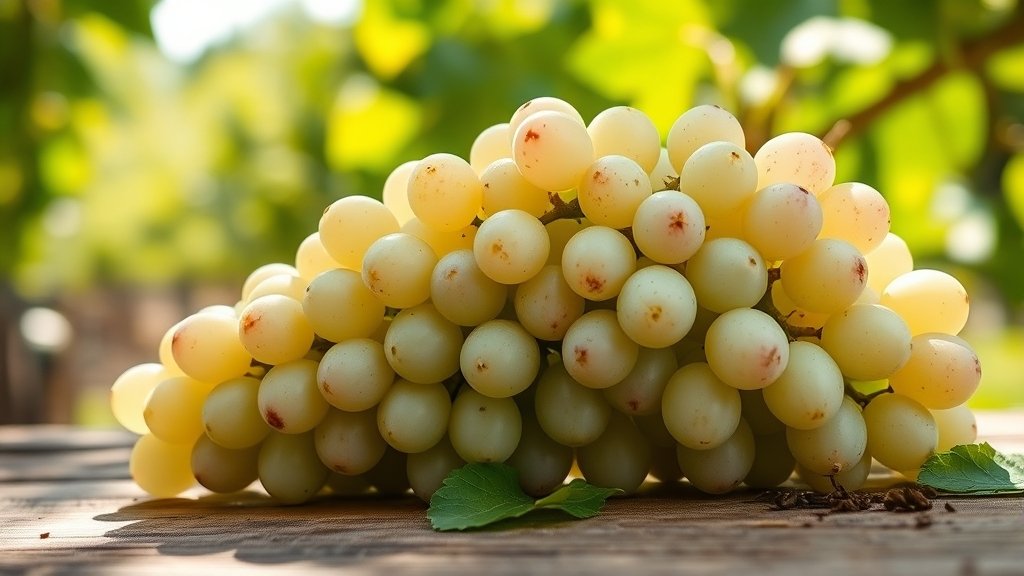
What makes Cotton Candy grapes so special is their unique flavor, which remarkably mimics the sweet, sugary taste of cotton candy. This distinctive flavor sets them apart from regular grapes, making them a sought-after treat.
Their rare, candy-like sweetness creates a sensory experience that surprises many first-time tasters. Because of this, consumer demand for these grapes has skyrocketed, turning them into a luxury fruit.
Their candy-like sweetness delights first-timers, making Cotton Candy grapes a highly sought-after luxury fruit.
Farmers and growers have responded to this high demand by cultivating more of these grapes, but their unique flavor remains a rare find. People crave the indulgent, nostalgic taste, making Cotton Candy grapes a popular choice at markets and grocery stores.
It’s this exceptional flavor profile that fuels their reputation, driving both curiosity and excitement among consumers. As a result, Cotton Candy grapes continue to be highly prized despite their limited availability and higher price point.
How Are Cotton Candy Grapes Carefully Grown?
Growing Cotton Candy grapes requires careful attention to detail, from picking the right vine varieties to managing each stage of growth. You focus on precise cultivation techniques to boost flavor development.
The process starts with selecting high-quality rootstocks and vines that will produce the desired sweetness and aroma. During growth, you control sunlight, water, and pruning to develop that signature cotton candy flavor.
Hand-tending is really important. It helps prevent disease and ensures the grapes ripen evenly. You also keep a close eye on sugar levels to make sure the grapes are perfectly sweet at harvest.
Why Is Breeding Cotton Candy Grapes So Complex?
Breeding cotton candy grapes is pretty tricky because of their complex genetics. It’s not always easy to predict which plants will end up with that perfect, sweet flavor we’re after. You need to use specialized techniques to carefully select and crossbreed the right vines, and that takes a lot of time and skill.
On top of that, since there’s limited plant heritage available, breeders don’t have as many genetic options to work with. This makes the whole process even more challenging because they have fewer choices to create those ideal grapes.
Genetic Complexity Challenges
Creating cotton candy grapes involves navigating a maze of genetic complexities, which makes the breeding process pretty challenging. The traits we want, like their sweet, cotton candy-like flavor, are controlled by multiple genes, so genetic modifications are tough.
Breeding techniques have to carefully select parent plants to combine these traits while keeping the overall vine healthy and the fruit good quality. Because of this complex genetic interplay, small changes can mess up other important features.
That means it takes several generations of crossbreeding and testing to get it right. This complexity also lengthens the development timeline and raises costs. You can’t just tweak one gene—you need a detailed understanding of how different genes interact.
Specialized Breeding Techniques
Because cotton candy grapes have such a complex genetic makeup, breeders rely on specialized techniques to develop them successfully. One key method is cross pollination, where different grape varieties are carefully selected and pollinated to combine desirable traits.
This process allows breeders to introduce unique flavors and textures, but it’s challenging because it requires precise control and timing. They also harness hybrid vigor, the phenomenon where hybrid plants grow stronger and healthier than their parents, to improve crop resilience and fruit quality.
These techniques demand patience and expertise, as each cross must be monitored closely for successful traits. Overall, specialized breeding methods are essential to creating cotton candy grapes, making the process intricate and time-consuming but ultimately rewarding for consumers.
Limited Plant Heritage
The genetic diversity available for breeding cotton candy grapes is surprisingly limited, which adds significant complexity to the process. Because of this, breeders face challenges in maintaining heritage while developing new varieties.
The limited plant genetics restricts the pool of traits you can combine, making it tough to introduce desired flavors without losing other qualities like texture or disease resistance. This narrow genetic base means every cross must be carefully planned to avoid bottlenecks.
Breeders often work with just a few parent varieties, which limits the potential for innovation. Preserving the heritage of existing grape varieties is essential, but it also constrains the genetic options needed to create the sweet, cotton candy flavor.
This delicate balance makes the breeding process more intricate and costly, as every step must be carefully managed to maintain heritage while striving for new, desirable traits.
What Limits the Harvest of Cotton Candy Grapes?
Several factors can limit the harvest of Cotton Candy grapes, with environmental conditions playing a big role.
Harvest limitations often depend on the weather, since the grapes need a specific balance of warmth and sunlight to ripen properly. Cooler or wetter seasons can prevent the grapes from fully maturing, which means fewer grapes to harvest.
Cooler or wetter weather can hinder ripening, resulting in a smaller cotton candy grape harvest.
Seasonal availability is another key factor. Cotton Candy grapes have a narrow harvesting window, usually from late summer to early fall. If weather delays flowering or disrupts pollination, the harvest can be shortened or affected.
Pests and diseases can also impact crop yields, forcing growers to delay or reduce the harvest. Because these grapes are delicate and sensitive to environmental changes, any deviation from ideal conditions can lead to smaller yields.
All these factors combined explain why the harvest of Cotton Candy grapes can be unpredictable and limited each season.
How Growing Conditions Affect Cotton Candy Grape Prices
The climate where cotton candy grapes are grown really affects how they grow and how good they taste. When the weather is just right, the grapes develop their signature flavor and texture, which can make them more desirable—and that can drive prices up.
Plus, the soil quality matters too. Things like nutrient levels and how well the soil drains can make a big difference in the grapes’ overall quality. When the soil is just perfect, you get premium grapes that might cost a bit more.
All these growing conditions—climate, soil, and everything in between—help explain why grape prices can change from season to season and what influences their overall market value.
Climate Impact on Growth
Climate conditions are crucial in determining the quality and yield of Cotton Candy grapes, which directly affects their prices. Changes in climate can cause growth issues, like uneven ripening or smaller fruit size.
Unexpected temperature shifts can hinder grape development, leading to lower yields and higher costs. Variability in climate makes it harder for growers to predict and plan effectively.
| Climate Factor | Effect on Growth | Price Implication |
|---|---|---|
| Temperature | Affects ripening | Increased costs due to delays |
| Precipitation | Impacts vine health | Higher expenses for irrigation |
| Humidity | Promotes diseases | Increased fungicide use |
| Frost Events | Damage buds | Reduced harvest volume |
| Wind | Breaks vines | Higher labor for repair |
Knowing these factors helps growers manage risks better, but climate variability still remains a major driver of Cotton Candy grape prices.
Soil Quality Factors
Healthy soil is essential for growing high-quality Cotton Candy grapes because it directly affects vine growth and fruit development. Rich soil nutrients lay the foundation for strong vines and sweet, well-formed grapes.
Growers pay close attention to maintaining the right soil conditions through precise irrigation methods. This ensures the roots get consistent moisture without waterlogging, which is crucial for healthy growth.
Proper irrigation helps keep nutrient levels steady and prevents stress that can harm fruit quality. Soil testing guides amendments, balancing nutrients like nitrogen, phosphorus, and potassium for ideal growth.
Well-managed soil quality leads to more flavorful grapes, which can justify higher prices. If the soil isn’t carefully maintained, grape quality drops, and yields may decrease, lowering market value.
That’s why soil quality factors are so important in producing premium Cotton Candy grapes.
Why Do Cotton Candy Grapes Cost More Than Regular Grapes?
Cotton Candy grapes cost more than regular grapes mainly because they take extra care and special techniques to grow. Developing their unique flavor is a delicate process that needs a lot of attention. This makes cultivating them more labor-intensive and costly.
The higher price also reflects the extra effort and resources involved compared to regular grapes. Plus, because many people want to try these fun, cotton candy-flavored grapes, growers can charge more.
Limited availability and a longer growing cycle add to the cost because farmers need patience and precision. All these factors mean producing Cotton Candy grapes costs significantly more, and that’s why they’re more expensive at the store.
Are Extra Expenses Behind the Higher Price?
Have extra expenses really be the main reason for the higher price of Cotton Candy grapes? Not entirely. While production costs do play a role, the bigger factor is market demand.
These grapes are a specialty variety, and their unique flavor makes them highly desirable. Farmers invest more in growing them, often using specific techniques to guarantee quality, which increases production costs.
However, the limited supply and high consumer interest drive up the price considerably. Retailers know buyers are willing to pay more for this novelty, so they set higher prices accordingly.
Extra expenses like specialized growing methods or packaging are part of the story, but they’re not the sole reason for the premium. Instead, it’s the combination of high market demand and enhanced production costs that pushes the price higher.
Are Cotton Candy Grapes Worth the Price?
With their unique flavor and high price tag, many wonder if cotton candy grapes are truly worth the splurge. The answer depends on your taste preferences and how much you value novelty. When you compare their taste to regular grapes, you’ll notice a sweet, caramel-like flavor that’s hard to find elsewhere.
This distinct taste makes them stand out, but it’s also what fuels market demand, driving up the price. If you’re a fan of sweet, flavorful fruit, you might find them worth the extra cost. They’re a fun treat for special occasions or when you want a unique snack.
However, if you’re budget-conscious or prefer traditional grape flavors, they might not justify the expense. Ultimately, whether cotton candy grapes are worth the price depends on your appreciation for their flavor and the premium you’re willing to pay for a rare experience.
Frequently Asked Questions
When Did Cotton Candy Grapes First Become Available to Consumers?
You can enjoy cotton candy grapes since they first became available to consumers around 2011.
These grapes resulted from innovative cultivation techniques aimed at enhancing their flavor. Growers selectively bred them to mimic the sweet, sugary taste of cotton candy, making them a unique treat.
Since then, their popularity has soared, but their delicate nature and specialized cultivation keep them rare and expensive in stores.
Are Cotton Candy Grapes Available Year-Round or Only Seasonally?
Cotton candy grapes are only available seasonally, like a fleeting rainbow in your hand. Their unique flavor and delicate cultivation mean they aren’t grown year-round.
Grape cultivation for these treats depends on specific growing conditions, so orchards harvest them at just the right time. While some sellers might offer limited supplies outside the season, for the best experience, you’ll want to enjoy these grapes during their natural harvest window.
How Long Does It Take for Cotton Candy Grapes to Mature?
In grape cultivation, cotton candy grapes usually take about 120 to 130 days to mature after planting. During this time, the vines develop their flavor, which is known for its sweet, cotton candy-like taste.
You need patience because proper care and the right climate influence how long it takes. Harvesting at peak ripeness ensures you get the best flavor and quality from these unique grapes.
Do Cotton Candy Grapes Have Any Added Preservatives or Chemicals?
You’ll be happy to know cotton candy grapes don’t have added preservatives or chemicals. They’re grown naturally, and their unique taste—like spun sugar—sets them apart.
An interesting fact is that they’re selectively bred for their flavor, not chemicals. This means you get the health benefits of grapes with a sweet taste similar to cotton candy, making them a healthier, delicious treat without worry about harmful additives.
Can Cotton Candy Grapes Be Grown Outside the United States?
Yes, cotton candy grapes can be grown outside the United States through international cultivation.
They need specific climate conditions, like warm temperatures and plenty of sunlight, which can limit where they can grow successfully.
You have to make sure the region’s climate matches their needs to grow these grapes well.
Countries with suitable temperate climates and good growing conditions could potentially grow cotton candy grapes, but they aren’t as common outside the U.S.
Conclusion
So, when you see those plump, sweet cotton candy grapes, remember they’re not just a snack. They’re a rare treasure, crafted with patience and precision.
Their high price reflects the delicate dance of nature and nurture—proof of human ingenuity. These grapes take extra care to grow, making them quite special.
Sometimes, the most fleeting moments—like these grapes—are worth the extra cost. They remind us that beauty and rarity often come at a premium.
After all, isn’t the sweetest thing worth waiting for? That’s why cotton candy grapes are so expensive—they’re a treat you don’t find every day.