How Was Gummy Candy Invented?
Many people struggle to find candies that are both fun to eat and satisfy their sweet tooth. If you’re a fan of chewy, flavorful treats, you’re not alone. Gummy candy has become a favorite for many, offering a playful and delicious experience.
Gummy candy was invented in early 20th-century Germany when confectioners experimented with ingredients to create chewy, long-lasting treats. They focused on using gelatin, which gives gummies their signature chewiness and bounce, and developed flavors and shapes to appeal to consumers.
Over time, gummies evolved with new shapes, colors, and flavors, becoming a global sensation. If you keep exploring, you’ll uncover how innovation and cultural influences shaped this sweet phenomenon.
Key Takeaways
- Gummy candy originated in Germany in the early 20th century through confectioners experimenting with chewy, durable ingredients.
- The invention was driven by the desire to create long-lasting, flavorful, and enjoyable chewy candies.
- Advances in food science, especially the use of gelatin, enabled the development of the candy’s signature chewy texture.
- Early gummies were simple, fruit-flavored treats initially using natural extracts, later incorporating artificial flavors.
- The popularity and innovation in shapes, flavors, and packaging helped gummies become a global confectionery phenomenon.
Where Did Gummy Candy Come From?
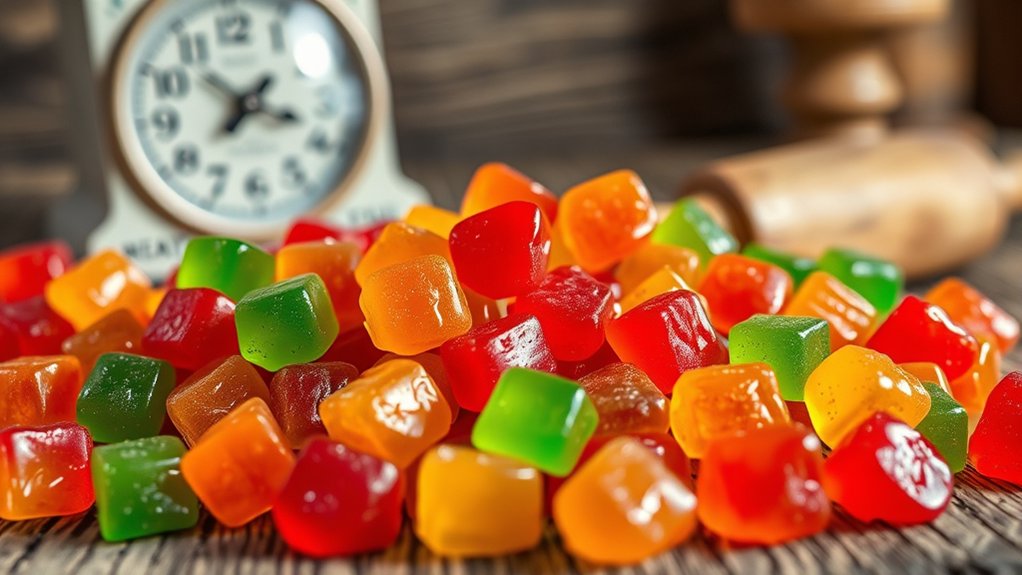
Gummy candy has an intriguing origin story that begins in Germany in the early 20th century. You might notice that the gummy texture is chewy yet firm, which results from carefully sourced ingredients.
Back then, confectioners experimented with different ingredients to create a new type of candy that was fun to chew and long-lasting. The key ingredient sourcing involved selecting the right types of sugars, flavorings, and stabilizers to achieve the perfect consistency.
These early pioneers aimed for a candy that was both enjoyable and durable, leading to the soft yet resilient texture you love today. As recipes evolved, manufacturers refined ingredient sourcing to improve quality and flavor, ensuring each gummy had the right bite.
This innovation laid the foundation for the gummy candies we now enjoy worldwide, blending tradition with creative confectionery techniques to craft a unique, satisfying treat.
How Did Gelatin Become the Key Ingredient in Gummy Candies?
Gelatin became the key ingredient in gummy candies because it provides the perfect mix of chewiness and flexibility that people love. Its unique properties are essential to the candy’s signature texture.
Gelatin gives gummy candies their chewy, flexible texture that fans adore.
When used in candy making, gelatin creates a gel-like consistency that molds well and keeps its shape. It sets at low temperatures, making it ideal for producing that smooth, chewy feel.
Gelatin forms a flexible, elastic network when cooled, which gives gummy candies their signature bounce. Its gelling properties allow makers to control the texture precisely.
Thanks to gelatin, gummies have the chewiness and resilience that fans enjoy. Its scientific properties and manufacturing techniques really helped cement its role in gummy candy production.
Early Innovations in Gummy Candy During the 20th Century

The 20th century was a time of quick innovation in gummy candy making, with companies trying out new ingredients, techniques, and shapes to attract customers. People’s love for gummy candies grew as they looked for familiar flavors and fun forms from their childhood.
Cultural influences played a big role, inspiring regional variations and new designs that reflected local tastes. Some brands introduced fruit-shaped gummies, while others played with colors and textures to make their candies stand out.
You might notice how certain shapes became symbols of holidays or cultural moments, adding meaning beyond just flavor. These changes helped turn gummy candies into cultural icons enjoyed by many.
As manufacturers kept pushing boundaries, they kept the fun and nostalgia alive. This made gummy candies a beloved part of childhood and a reflection of changing tastes around the world.
How Were the First Gummy Candies Made and Marketed?
In the early days of gummy candy production, inventors experimented with creating chewy, flavorful treats using gelatin as the key ingredient. They worked on developing ways to shape and flavor the candies, making them appealing and consistent.
The first gummy candies were small, fruit-flavored, and coated with sugar to improve taste and texture. Flavor development was crucial—initially, natural fruit extracts were used, but artificial flavors soon became popular for their intensity and variety.
To market these candies, manufacturers targeted confectionery shops, fairs, and eventually mass retail outlets. They emphasized the chewy texture and vibrant colors, which helped their products stand out.
Packaging evolved from simple paper wrappers to more attractive, branded designs that highlighted the fun and fruity qualities of the candies. This smart marketing helped establish gummy candies as a popular treat and laid the foundation for their growth worldwide.
How Have Gummy Shapes, Flavors, and Colors Evolved Over Time?

You’ve probably noticed that gummy shapes have come a long way—they’re not just simple blobs anymore. Now, you can find them shaped like animals, cartoon characters, and all kinds of fun designs, which makes eating them way more exciting.
And it’s not just about the shapes—flavors have really stepped up their game too. While fruit flavors are still popular, there are now options like sour, spicy, and even some with unique twists that surprise your taste buds.
Plus, the colors have gotten way brighter and more varied. They’re more vibrant than ever before, which makes them look even more tempting and adds to the overall fun of enjoying gummies.
Varieties of Shapes Evolved
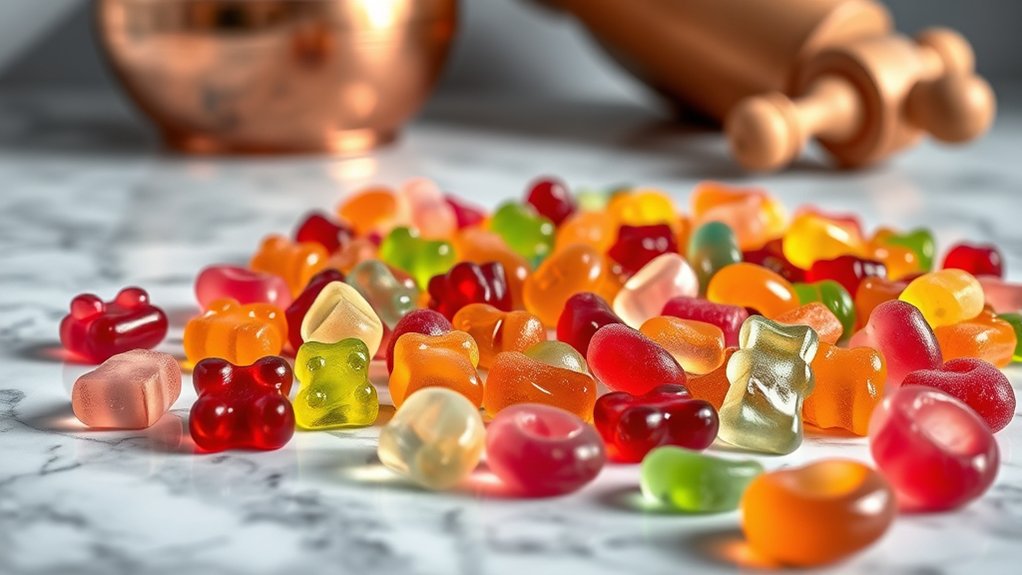
As gummy candies gained popularity, manufacturers started playing around with different shapes, flavors, and colors to catch consumers’ eyes and stand out on store shelves. Gummy shapes became more varied, moving beyond just bears and worms to include fruits, animals, and themed designs.
This evolution kept people excited to try new varieties and made gummies more fun to look at. Creative shapes like stars, hearts, and seasonal figures added extra visual appeal, making the candies more attractive.
Gummy shapes often reflected popular culture, which made them feel more relatable and fun. Flavor experiments also influenced shape choices, with some designs created to enhance the taste experience.
All these innovations made gummies more enjoyable and visually appealing, encouraging people to explore different shapes and keep the product exciting. The variety in shapes helped gummies become a versatile treat enjoyed all around the world.
Flavors and Colors Innovation
Building on the colorful variety of shapes, gummy manufacturers also started experimenting with an array of flavors and hues to enchant consumers further. They tapped into color psychology, choosing shades that evoke specific emotions, like red for excitement or green for freshness, which enhances the overall experience.
Flavor pairing became a strategic tool, blending fruity, sour, or sweet notes to create memorable taste profiles. Innovations in flavor development allowed for more sophisticated combinations, appealing to diverse preferences.
Bright colors and enticing flavors worked together to make gummies more visually appealing and flavorful, boosting their popularity. Over time, this evolution in flavors and colors transformed gummies into a multisensory treat, engaging both the eyes and palate for a more satisfying candy experience.
How Modern Food Science Is Shaping Gummy Candy Production
Modern food science plays a key role in transforming gummy candy production by improving texture, flavor, and shelf life. It’s fueled by advances in ingredient sourcing, ensuring high-quality, sustainable materials, and a better understanding of cultural influences that shape flavor profiles. These innovations let you enjoy gummies with consistent quality and exciting tastes rooted in various traditions.
Here’s how it’s happening:
- Better ingredient sourcing methods guarantee cleaner labels and more effective flavor extraction, aligning with cultural preferences.
- Advanced processing techniques improve the gummy’s texture, making it more satisfying and resistant to spoilage.
- Scientific research into natural additives and preservatives helps extend shelf life without sacrificing taste or safety.
Top Gummy Candy Brands and Their Contributions to the Market
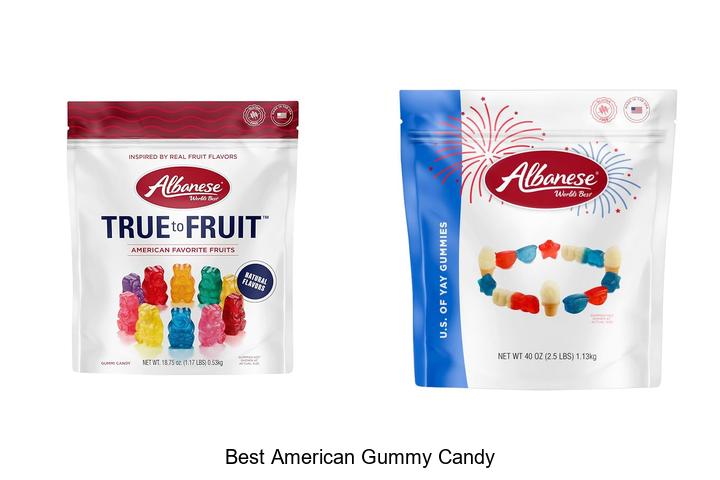
Several top gummy candy brands have significantly shaped the market with their innovative flavors, textures, and branding strategies. Brands like Haribo, Trolli, and Albanese stand out by constantly pushing boundaries in gummy candy branding and creating memorable packaging and marketing campaigns that appeal to all ages.
Their success often depends on ingredient sourcing, using high-quality ingredients that enhance flavor and texture, setting them apart from competitors. For example, Haribo’s use of natural fruit extracts and careful ingredient sourcing ensures consistent quality and builds customer loyalty.
Trolli keeps consumers excited with bold, unique flavors, while Albanese focuses on artisanal quality with premium ingredients. Their investments in branding and ingredient quality not only boost their market presence but also shape what consumers expect.
How Gummy Candy Became a Global Phenomenon
Have you ever wondered how gummy candy transformed from a regional treat into a global sensation? It all started with cultural influences that made gummy candies appealing worldwide. As different countries welcomed the sweet, their unique flavors and packaging helped it stand out.
- Cultural influences played a big role, with local tastes inspiring new varieties that resonated globally.
- Celebrity endorsements gave gummy candies a trendy boost, making them popular among fans and media alike.
- The rise of international markets and social media spread the candy’s popularity, turning it into a must-have treat everywhere.
These factors created a ripple effect, elevating gummy candy from a simple snack to a cultural icon. The combination of diverse influences and star power helped it cross borders and language barriers, solidifying its place as a beloved global phenomenon. Now, almost everyone has a favorite gummy treat, no matter where they’re from.
Current Trends and Innovations in Gummy Candy
Lately, you’ve probably seen a bunch of new gummy flavors and ingredients popping up everywhere. It’s pretty exciting because brands are really pushing the boundaries with unexpected taste combos that keep things fun and fresh.
At the same time, there’s a big shift towards functional and health-focused gummies. You know, those with added vitamins, adaptogens, or other ingredients that aim to boost wellness. And let’s not forget about the packaging — companies are getting super creative with eco-friendly designs, making gummies not just tasty but also more sustainable and appealing to folks who care about the environment.
Novel Flavors and Ingredients
As consumers look for new and exciting taste experiences, gummy candy makers are pushing the limits by introducing fresh flavors and ingredients. Gummy flavor fusion is becoming a big trend, mixing unexpected tastes like spicy chili with fruity sweetness or herbal notes with citrus.
Experimenting with ingredients drives innovation, leading to gummies infused with superfoods, collagen, or natural extracts. Unique flavor combinations like mango-lavender or matcha-vanilla really delight taste buds.
Adding functional ingredients boosts health appeal without sacrificing flavor. Using natural colorings and additives also improves visual appeal and meets consumer preferences.
These innovations keep gummy candies fresh, exciting, and in tune with current trends, appealing to adventurous snackers.
Functional and Health-Oriented Gummy
Wondering how gummy candies are evolving to meet health-conscious consumers’ demands? Today’s gummies focus on improved nutrition by adding ingredients like vitamins, minerals, and functional supplements. Manufacturers are also turning to natural sweeteners or low-calorie options to cut sugar without losing flavor.
These innovations cater to people looking for treats that support health goals, like boosting immunity or aiding digestion, all while keeping that familiar chewy feel. Now you can enjoy gummies that align with your wellness priorities, making snacking both fun and beneficial.
As the market changes, expect more functional gummies that mix great taste with health benefits. They’re a smarter choice for anyone who wants treats with a purpose.
Sustainable Packaging Innovations
With health-focused gummies gaining popularity, manufacturers are now turning their attention to sustainability in packaging. You’ll notice a shift toward eco-friendly materials and innovative designs that reduce environmental impact. Here are three key trends:
- Using biodegradable wrappers made from plant-based materials helps minimize waste in landfills.
- Implementing reusable containers encourages consumers to cut down on single-use packaging.
- Incorporating minimalist designs with fewer materials decreases overall resource consumption.
These sustainable packaging innovations not only appeal to eco-conscious consumers but also help brands show their commitment to environmental responsibility. By adopting eco-friendly materials and sustainable practices, gummy candy makers can stand out while contributing to a healthier planet.
What’s Next for Gummy Candy? Future Trends and Possibilities
The future of gummy candy looks exciting, with new innovations driven by technology and what consumers want. Expect more options like vegan, sugar-free, and allergen-friendly gummies so everyone can enjoy them.
As health awareness grows, manufacturers might add nutrients or functional benefits such as probiotics or vitamins to gummies. Cultural influences will also shape future flavors and designs, reflecting worldwide tastes and traditions.
You might see gummies infused with regional ingredients or inspired by global cuisines, making the experience more personalized and diverse. Sustainability will stay a priority, leading to eco-friendly packaging and sourcing practices.
Frequently Asked Questions
What Inspired the Original Invention of Gummy Candies?
You’re curious about what inspired the original invention of gummy candies. It all started with experimenting with historical recipes that used gelatin to create chewy textures.
The creators wanted to combine fun flavors with new, innovative textures. This led to flavor innovations that excited taste buds.
This mix of tradition and creativity sparked the development of the gummy candy you enjoy today. They transformed simple gelatin-based recipes into iconic sweets.
Why Did Gelatin Become the Preferred Ingredient Over Alternatives?
Imagine a chewy delight, and gelatin’s smooth texture makes it the perfect choice. You’ll find gelatin sourced from animal collagen, creating a glossy, firm bite that holds its shape well.
Unlike alternatives like pectin or agar, gelatin offers a unique balance of elasticity and firmness. This versatility made it the preferred ingredient for gummy candies.
It improves mouthfeel and durability, ensuring candies stay enjoyable from first bite to last.
How Did Cultural Influences Shape Gummy Candy Variations?
You’ll notice that cultural influences deeply shape gummy candy variations, especially through cultural festivals and traditional recipes. For example, during Chinese New Year, you might find gummy candies infused with flavors like lychee or jasmine, reflecting local tastes.
In Germany, traditional recipes influence the addition of spices or fruit flavors. These cultural festivals and recipes inspire unique shapes, flavors, and textures.
All these elements make gummy candies a delicious reflection of diverse cultural heritages.
Are There Health Concerns Associated With Consuming Gummy Candies?
You might face health concerns with gummy candies, which are like tiny sugar bombs. Their high sugar content can lead to tooth decay, weight gain, and energy crashes.
Artificial additives, often used for color and flavor, may trigger allergies or hyperactivity in sensitive individuals. Moderation is key; enjoying gummies occasionally won’t ruin your health.
But eating too many could turn your sweet treat into a health hazard. So, it’s best to enjoy them in moderation.
How Do Manufacturing Processes Impact Gummy Candy Texture and Quality?
Manufacturing processes greatly impact gummy candy texture and quality through precise control and texture improvement techniques. You’ll notice that manufacturing precision guarantees consistent firmness and chewiness.
Texture enhancement methods like controlled heating and cooling improve mouthfeel. If the process isn’t carefully managed, gummies can become too hard or too sticky.
Conclusion
So, next time you pop a gummy in your mouth, remember you’re biting into a slice of history and a tiny miracle of innovation. Gummy candies didn’t just happen; they transformed the world of sweets, turning simple gelatin into a global obsession.
With endless shapes, flavors, and surprises, these candies are more than treats. They’re the sweetest, most colorful adventure you’ll ever experience. Get ready because the future of gummies promises even more mind-blowing, jaw-droppingly delicious surprises!