How to Determine if Gummy Candy Is Made With Pork Ingredients
Many people love gummy candies but worry about what’s really inside them, especially if they follow specific dietary restrictions or have allergies. You’re not alone—navigating ingredient labels can feel overwhelming, and hidden pork ingredients can be tricky to spot.
To determine if gummy candy contains pork ingredients, check the label carefully for terms like “gelatin,” “porcine gelatin,” or vague descriptions such as “animal-based gelatin.” Look for labels indicating “pork-free,” “vegan,” or “plant-based.”
Be cautious with unbranded candies or those with limited ingredient info, as hidden pork by-products or cross-contamination are possible.
If you want to make certain of safety and dietary compliance, keep exploring these tips for clear guidance.
Key Takeaways
- Check ingredient labels for terms like “gelatin,” “animal-based collagen,” “pork gelatin,” or “porcine gelatin.”
- Look for specific mentions of “pork,” “porcine,” or “pork-derived” ingredients on packaging.
- Choose brands that clearly state “pork-free,” “vegan,” or “vegetarian” if you want pork-free options.
- Be cautious of vague descriptions like “animal-based gelatin.” It’s a good idea to research or contact the manufacturer for clarification.
- Opt for products with Halal certification or those made with plant-based gelling agents such as agar-agar, pectin, or carrageenan.
Introduction: Why Knowing What’s in Your Gummy Candies Matters
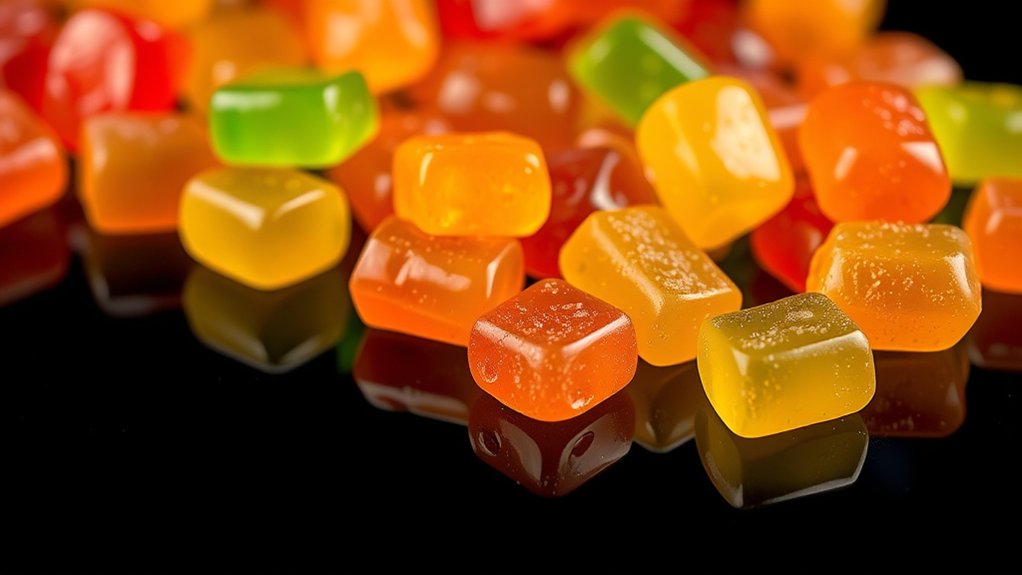
Understanding what’s in your gummy candies is important because many contain ingredients derived from animal sources, including pork. These ingredients often serve purposes like flavor enhancement and shelf stability.
If you’re concerned about dietary restrictions, allergies, or ethical choices, knowing the ingredients helps you make informed decisions. Gummy candies rely on specific additives to improve taste and texture, which can sometimes come from animal-based sources.
Furthermore, these ingredients help extend shelf life, ensuring your candies stay fresh longer without spoiling. Recognizing whether pork-derived components are present can prevent unwanted consumption and align your treats with your values.
While some ingredients may not be obvious, reading labels carefully or researching brands can clarify what’s inside. Being aware of these factors empowers you to choose candies that meet your dietary needs and preferences, providing peace of mind every time you indulge.
What Is Pork Gelatin, and Why Is It Used in Gummies?
Pork gelatin is a protein made from the collagen found in pig connective tissues, skin, and bones. It’s a common ingredient in many gummy candies.
Pork gelatin is a protein derived from pig connective tissues, skin, and bones, common in gummy candies.
It acts as a gelling agent, giving gummies their chewy, firm texture. That’s why you’ll find pork gelatin in gummies—it creates the desirable gummy feel that people love.
Its ability to set and hold shape makes it perfect for candies. Plus, it provides a smooth, shiny finish that makes gummies look appealing.
Pork gelatin is versatile and cost-effective, which is why many manufacturers prefer it over plant-based options. When you bite into a gummy, the chewiness and elasticity come from the gelatin’s unique properties.
If you avoid pork for dietary or religious reasons, knowing that pork gelatin is used in many gummies helps you decide whether to check labels or look for pork-free options.
Understanding what pork gelatin is can help you make informed choices about the candies you enjoy.
How Is Pork Gelatin Used in Gummy Candies?

In gummy candies, pork gelatin acts as the backbone that gives these treats their signature chewy texture. It’s a key ingredient that provides the elasticity and firmness that make gummies enjoyable.
To understand how pork gelatin is used, look at ingredient labels on the packaging. Pork gelatin is made from collagen in pig connective tissues, processed into a powder or sheets.
During production, the gelatin is dissolved in hot water and mixed with sweeteners, flavors, and colors. This mixture is then poured into molds and cooled, allowing the gelatin to set into the chewy consistency you expect from gummies.
The amount of pork gelatin affects how firm and chewy the candies turn out. By checking ingredient lists, you can see if pork gelatin is present, which is important if you’re avoiding pork-based ingredients.
Knowing how pork gelatin works helps you understand what’s in your gummy candies and makes it easier to identify ingredients.
How to Recognize Pork-Derived Gelatin on Labels
When you’re looking at labels, the first thing to do is check the ingredient list. Look out for words like “gelatin” or “animal-derived collagen”—these are clues that gelatin is present.
But if you’re trying to figure out whether it’s pork-derived, you’ll want to look for specific labels or certifications. Sometimes, products will mention “pork” or “porcine” somewhere on the packaging. Recognizing these details can really help you determine if the gelatin comes from pork ingredients.
Check Ingredient List
Carefully examining the ingredient list on gummy candy packaging is essential because it reveals whether the product contains pork-derived gelatin. Look for terms like “gelatin” or “pork gelatin,” which indicate its presence.
Many manufacturers include additives to improve flavor and shelf stability, but these can also come from pork. Sometimes, ingredients like “collagen,” “gelatin,” or specific animal-based additives signal pork content.
Being aware of these terms helps you identify if pork ingredients are used. Avoid products with unclear labels or vague terms, as they might hide the source.
Reading the ingredient list thoroughly ensures you make an informed choice aligned with your dietary or ethical preferences. Always double-check for any ambiguous ingredients that could suggest pork-derived components.
Look for Gelatin Terms
To find out if gummy candy contains pork-derived gelatin, check the label closely. Some brands clearly list “gelatin” from pork, beef, or fish, while others use more general terms.
Knowing these terms helps you understand what’s in your candy and where it comes from. Use this table to spot pork gelatin:
| Term | Indicates Pork Gelatin? |
|---|---|
| Gelatin | Possible pork, beef, or fish |
| Pork gelatin | Yes, pork-derived gelatin |
| Animal-based gelatin | Likely pork, beef, or fish |
| Vegetarian gelatin (agar, pectin) | No, plant-based |
Always read the ingredient list carefully to identify these terms and make an informed choice.
Identify Pork-Specific Labels
Identifying pork-derived gelatin on labels can be straightforward if you know what to look for, as some products explicitly specify the source. Check for labels that mention “pork gelatin” or “porcine gelatin,” which clearly indicate pork origin.
Look for products with a Pork free certification, signaling the absence of pork ingredients and offering reassurance if you’re avoiding pork for dietary or religious reasons.
If you prefer vegan ingredient options, seek labels that highlight “vegan,” “plant-based,” or “vegetarian” on the packaging. Many companies now clearly mark their products as vegan or pork-free, making it easier to select gummy candies without pork-derived gelatin.
Always read the ingredient list thoroughly to confirm the source and avoid any confusion.
How to Read Gummy Candy Labels for Pork Ingredients
Reading gummy candy labels for pork ingredients means paying close attention to the ingredient list and understanding the terminology used.
To spot hidden pork ingredients, follow these simple label reading tips:
To identify hidden pork ingredients, carefully examine labels for terms like gelatin, lard, or pork by-products.
First, look for common pork-derived terms like gelatin, lard, or pork by-products.
Next, check for phrases such as “contains gelatin,” which often indicates pork unless it’s specified otherwise.
Also, seek out labels that say “pork-free” or “suitable for vegetarians,” especially if you want to avoid pork.
Finally, consider pork-free alternatives like plant-based gelling agents, which are becoming more common in candies.
Natural and Halal Gelling Agents as Pork-Free Alternatives
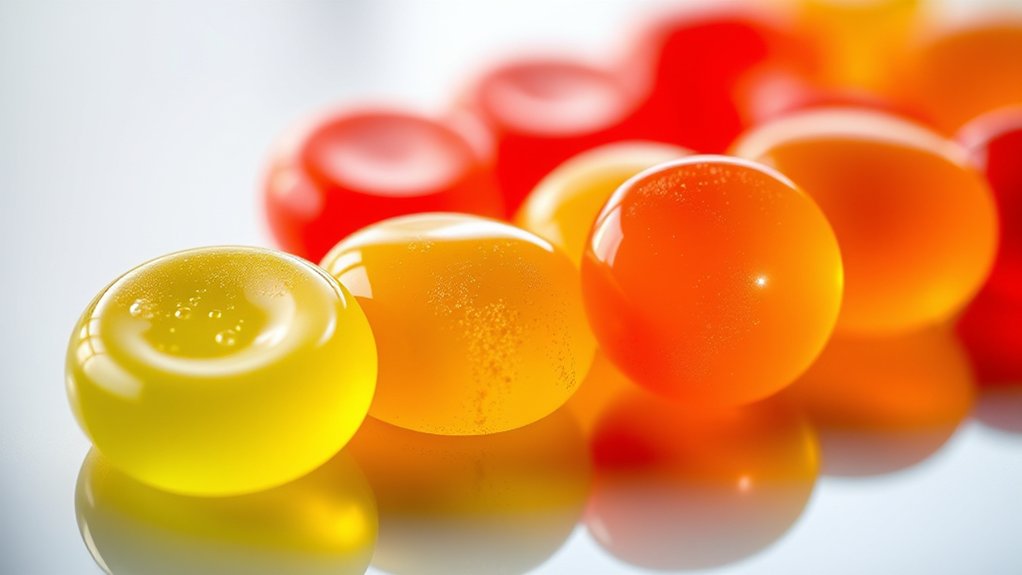
Many gummy candies nowadays use plant-based gelling agents like agar-agar, pectin, or carrageenan. These are natural and pork-free options, which is great for those looking for halal-friendly treats. Plus, when you see gummies with Halal certification, it means they meet religious dietary standards, so you can enjoy them with peace of mind.
Plant-Based Gelling Agents
Plant-based gelling agents offer a natural and Halal-friendly alternative to traditional pork-derived ingredients like gelatin. These options help you avoid pork gelatin while ensuring your candies meet Halal standards. When choosing gummy candies, look for products made with plant-based gelling agents that typically carry Halal certification.
Here are some common options:
- Agar-Agar – Derived from seaweed, it’s a popular vegetarian substitute with a firm texture.
- Carrageenan – Also from seaweed, used for its smooth, jelly-like consistency.
- Pectin – Extracted from fruits, ideal for softer gummies.
- Konjac – Made from the root of the konjac plant, providing a chewy texture.
Always check for Halal certification to confirm the product is pork-free and suitable for your needs.
Halal Certification Importance
Because verifying your gummy candies are Halal often hinges on more than just ingredients, Halal certification plays a crucial role in ensuring products meet religious and ethical standards. It confirms that the gelling agents used are pork substitutes or natural alternatives that comply with Halal standards.
This certification gives you confidence that the entire manufacturing process follows strict guidelines, ensuring there’s no cross-contamination with Haram ingredients. By choosing gummies with Halal certification, you avoid potential issues with pork-based gelatin and support ethical sourcing practices.
Halal standards promote transparency and trust, giving you peace of mind that your candies align with your dietary and religious requirements. Ultimately, certification guarantees that your gummy candies are genuinely Halal and ethically produced.
Common Natural Thickeners
When choosing gummy candies that match your dietary and religious needs, it’s important to know about the natural thickeners used in making them. These common natural thickeners are pork-free, halal-friendly gelling agents that also help improve flavor and make packaging more attractive.
Here are four great options:
- Agar-Agar – Derived from seaweed, it’s a popular vegetarian alternative that gives a firm texture and enhances flavor.
- Pectin – Comes from fruit and provides a softer gel along with vibrant color, making your packaging more appealing.
- Carrageenan – Extracted from red seaweed, it offers a smooth consistency and helps with flavor retention.
- Kudzu Root – A natural thickener that supports a clear, glossy finish, boosting the overall look of your packaging.
Choosing these thickeners guarantees your gummy candies are pork-free, tasty, and visually appealing.
What Are Plant-Based Gelling Agents in Gummies?
Many gummies get their chewy texture from natural alternatives to animal-derived gelatin, called plant-based gelling agents. These options are great if you’re avoiding pork ingredients or want a vegetarian or vegan choice.
Common plant-based gelling agents include agar-agar, pectin, carrageenan, and konjac. They work by forming a gel when heated or mixed with liquids, giving gummies their signature chewiness.
Here’s a quick comparison:
| Gelling Agent | Source | Best For |
|---|---|---|
| Agar-agar | Red algae | Fruit flavors, firm textures |
| Pectin | Fruit skins | Soft, chewy gummies |
| Carrageenan | Red seaweed | Smooth texture |
| Konjac | Konjac root | Vegan, low-calorie gummies |
These plant-based agents often pair well with fruit flavors and artificial sweeteners, making them perfect for tasty, pork-free gummies without losing that chewy feel.
Tips for Buying Pork-Free Gummy Candies in Stores and Online
To make sure you’re buying pork-free gummy candies, it’s important to read labels and ingredient lists carefully both in stores and online. This way, you can spot any animal-derived ingredients before making a purchase.
Look for clear labels like “vegan” or “vegetarian” that confirm the product doesn’t contain pork. Sometimes, these certifications are the easiest way to tell.
Check the packaging for icons or labels that highlight pork-free status. Manufacturers often use these to make it easier for you to identify suitable options.
Some brands offer specific pork-free flavors. If you see this listed, it can help narrow down your choices quickly.
When shopping online, read the product descriptions and ingredient lists thoroughly. This extra step ensures you’re making informed decisions before buying.
Risks of Cross-Contamination and Hidden Pork in Gummies
Just keep in mind that even if a gummy candy doesn’t mention pork ingredients on the label, it could still have hidden pork or get contaminated during the manufacturing process. It’s pretty common for factories to process both pork and non-pork products on the same equipment, which increases the risk of cross-contamination.
While clear and transparent labeling can help you make safer choices, it’s not always 100% reliable. So, it’s good to stay cautious and be aware of these potential hidden risks.
Hidden Pork Ingredients
Hidden pork ingredients in gummies pose a significant risk because cross-contamination can happen during manufacturing, even if pork-derived ingredients aren’t listed on the label. You might unknowingly consume pork flavoring or animal fats used as fillers or stabilizers.
To stay safe, watch out for these common hidden sources:
- Pork flavoring – added to improve taste but often not disclosed.
- Animal fats – used in processing, sometimes from pork, without clear labeling.
- Gelatin from pork – a key ingredient in many gummies, but not always specified.
- Processing aids – like certain enzymes or additives derived from pork, which may be hidden in ingredient lists.
Always check labels carefully and research unfamiliar ingredients to avoid consuming concealed pork in gummies.
Cross-Contamination Risks
Even if a gummy doesn’t list pork ingredients, cross-contamination during manufacturing can still introduce pork traces into the product. If you have a pork allergy, even tiny amounts can cause reactions, so cross-contact concerns are critical.
Manufacturing facilities often process multiple products, increasing the risk of trace contamination. Shared equipment or storage areas can inadvertently transfer pork proteins to gummies made without pork.
It’s important to recognize that cross-contact isn’t always listed on labels, making it harder to identify safe options. To protect your health, seek brands that specify allergen controls or produce in dedicated facilities.
Being aware of cross-contamination risks helps you make safer choices, especially if you’re highly sensitive or allergic to pork.
Labeling Transparency
How transparent are gummy candy labels about potential pork ingredients and cross-contamination? Many labels aren’t very clear, leaving you unsure about hidden pork or cross-contact risks.
To navigate this, look for transparency in packaging designs. Focus on these key points:
- Clear ingredient lists that specify animal-derived components.
- Labels that say “vegan” or “kosher” for extra reassurance.
- Disclosure of manufacturing processes to reveal cross-contamination risks.
- Notes on flavor combinations that might include animal-derived additives.
Some brands are upfront with this info, but others hide details with vague terms. Packaging that highlights allergen info or ingredient sourcing can help you spot potential pork content.
Always read labels carefully to avoid accidentally consuming pork ingredients in gummies.
Final Tips for Choosing Pork-Free Gummy Candies Safely
To guarantee your gummy candies are pork-free, always read the ingredient list carefully and look for labels indicating they are vegetarian or vegan. Furthermore, pay attention to packaging design—trusted brands often highlight pork-free status clearly.
Be cautious of candies that rely on artificial flavor enhancement, which may sometimes conceal animal-derived ingredients. Opt for products with transparent labeling and certifications, like vegan symbols, to ensure no pork ingredients are present.
When shopping, choose reputable stores or online retailers known for strict quality control. Avoid generic or unbranded options that lack detailed ingredient information.
Keep in mind that some candies may have appealing packaging but still contain hidden animal by-products. Your best bet is to stick with well-reviewed brands that prioritize clear, honest labeling.
These steps help you enjoy gummy candies worry-free, knowing they meet your dietary preferences and safety standards.
Frequently Asked Questions
Are There Certifications That Guarantee Pork-Free Gummy Candies?
Yes, there are certifications that guarantee pork-free gummy candies. Look for pork free certifications and vegan labeling on the packaging, which show the product doesn’t contain pork or animal-derived ingredients.
These labels make it easy to find candies suitable for your dietary needs. Always check for reputable certification logos and read ingredient lists to confirm the gummies meet your requirements for being pork-free and vegan.
Can Vegan Gummies Still Contain Animal-Derived Ingredients?
Vegan gummies are usually made with plant-based ingredients, but they can still contain animal-derived components if not properly certified. Always check for a vegan certification on the packaging to make sure no animal products are included.
Some brands use plant-based gelling agents like agar or pectin, but it’s a good idea to double-check the ingredient list. Picking products with clear vegan labels helps you avoid accidentally consuming animal-derived ingredients.
Do All Natural Gelling Agents Exclude Pork-Derived Gelatin?
Not all natural gelling agents exclude pork-derived gelatin. Many gummies use alternatives like agar-agar, pectin, or carrageenan, which are plant-based.
To make sure your gummies are free from pork, look for certification labels such as vegan or vegetarian symbols. These labels indicate the product uses plant-based gelling agents, so you can enjoy gummy candies without worrying about pork ingredients.
How Can I Distinguish Between Pork and Non-Pork Animal-Based Gelatin?
You can’t tell pork gelatin apart from others just by looking! Instead, check the animal source labels on packaging—it’s your clearest guide.
For a safer bet, consider gelatin alternatives like agar-agar or pectin, which are plant-based. These options are transparent about their origins and free from pork.
Always read labels thoroughly, especially if you’re avoiding specific animal sources, to guarantee your treats match your dietary choices perfectly.
Are Homemade Gummy Recipes Safer for Avoiding Pork Ingredients?
Homemade gummy recipes are generally safer for avoiding pork ingredients because you control the ingredients and can see exactly what’s in them.
By making gummies yourself, you can choose plant-based or beef gelatin instead of pork, which helps reduce the risk of pork-derived ingredients.
Plus, when you make gummies at home, you know all the additives and preservatives involved, giving you peace of mind.
Just double-check your recipes and ingredient labels to make sure they match your dietary preferences.
Conclusion
Next time you pick up a gummy, imagine flipping the label like a treasure map, hunting for clues of pork-derived ingredients.
Just like finding that missing puzzle piece, spotting plant-based or pork-free options gets easier when you’re paying attention.
Being vigilant is your best guide—like recognizing a familiar face in a crowd.
With a little awareness, you’ll always find candies that match your values, making your sweet choices both safe and satisfying.