What Happens When You Freeze Chocolate Candy Bars?
Are you tired of your favorite chocolate candy bars losing their texture or getting that unappealing bloom after storage? You’re not alone—many people struggle with keeping chocolate fresh and tasty.
Luckily, freezing chocolate candy bars can be an effective way to preserve them, but it comes with some tricks.
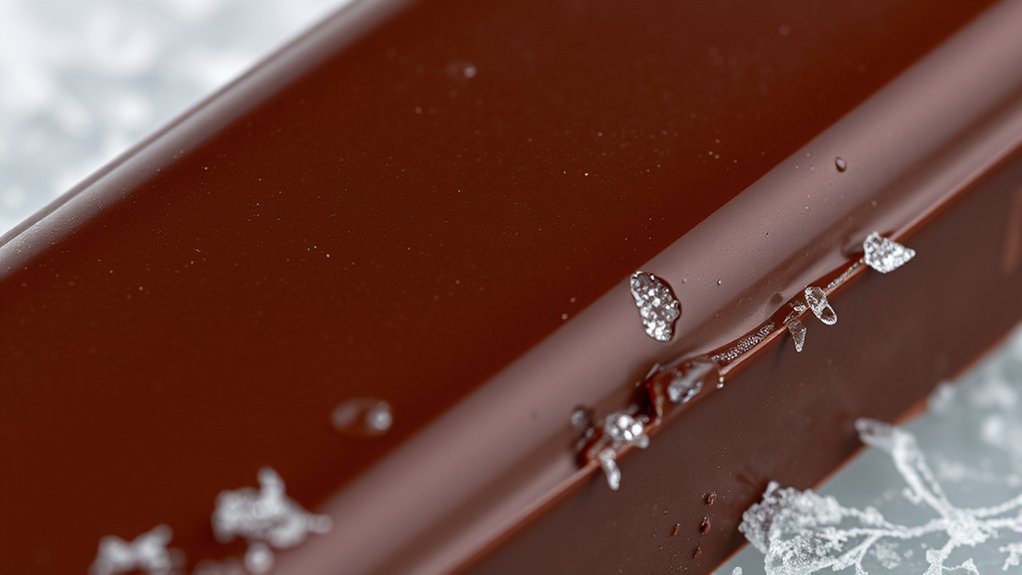
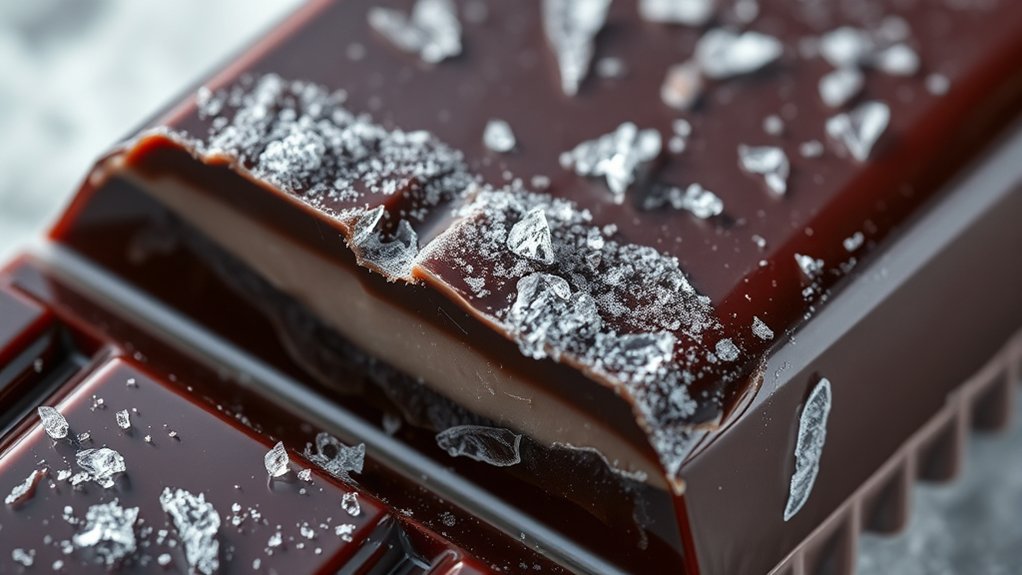
When you freeze chocolate candy bars, their texture becomes firmer and may develop cracks or a whitish bloom on the surface. Freezing can increase brittleness and slightly dull delicate flavors, but it also helps preserve freshness and extend shelf life.
Proper wrapping and slow thawing in the fridge prevent damage and bloom.
If you want to understand how to freeze and thaw without compromising quality, there’s more to explore below.
Key Takeaways
Freezing makes chocolate firmer and can cause surface cracks or bloom, which might affect how it looks but doesn’t make it unsafe to eat.
It also raises the melting point, so the chocolate is less likely to melt at room temperature.
However, freezing can slightly dull subtle flavors and change the texture, making the chocolate more brittle or crumbly.
To prevent moisture issues like bloom, it’s best to wrap the chocolates properly and thaw them slowly in the refrigerator.
While freezing extends shelf life, it might not be the best choice for delicate chocolates with fillings or intricate designs.
Should You Freeze Chocolate Candy Bars?
Deciding whether to freeze chocolate candy bars depends on your goals and storage needs. If you want to keep them fresh longer or prevent melting, freezing can be a good choice.
This is especially true if you have different types, like nougat-filled, caramel, or plain chocolate, since each reacts differently to freezing.
Think about how you’ll use the bars afterward because freezing can change their texture. It might affect how they taste and feel when you eat them.
For example, if you like a crispy bite or a smooth melt, freezing could alter that experience.
Also, consider whether you’re storing the candy for a short time or the long haul. Freezing can help preserve flavors and stop spoilage but might change how the candy feels when you eat it.
If your main goal is to enjoy the candy later without losing quality, freezing can work. Just keep in mind how different candy types respond to cold storage.
How Freezing Changes the Texture of Chocolate
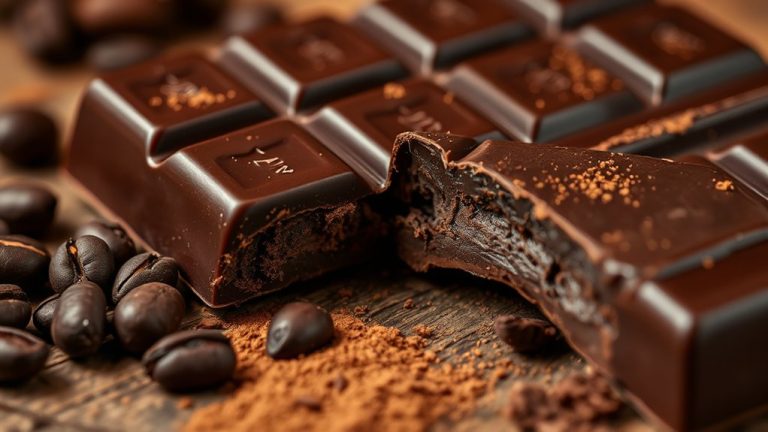
When you put chocolate in the freezer, it tends to get firmer, but you might also notice it developing cracks or becoming a bit softer, depending on how long you leave it there. The cold really changes how it feels when you bite into it—sometimes it feels more brittle, and other times it can seem smoother.
Also, freezing can change the melting point of the chocolate. So, when it warms back up, it might melt faster than usual or take a little longer, depending on how it was frozen.
Texture Softens or Cracks
Freezing chocolate candy bars can really change their texture, often making them softer or causing cracks. When you put different candies in the freezer, the moisture inside can expand and create cracks on the surface.
Softening might happen if the chocolate develops a slight bloom or becomes more brittle. These changes affect how you experience the flavor because texture plays a big role in tasting.
A softer, melted-like candy might be better for some treats, while a crackled exterior could ruin others. It all depends on the candy’s ingredients, filling, and coating.
Knowing these effects helps you decide whether to enjoy frozen candy as a unique treat or avoid damaging its look and feel.
Chocolate Becomes Firmer
Have you noticed that chocolate often becomes harder and more solid after being frozen? This is because freezing causes the fats and sugars in the chocolate to firm up, making it feel much firmer to the touch.
When you freeze your candy bars, it temporarily extends their chocolate shelf life and helps with candy preservation. The colder temperature solidifies the chocolate’s structure, preventing it from melting easily at room temperature.
As a result, the texture becomes noticeably firmer, giving it a more rigid feel. This change can be useful if you want your chocolate to stay intact during handling or transport.
But keep in mind that this firmness is temporary and doesn’t change the overall quality or flavor of the chocolate.
Changes in Melting Point
The firming of chocolate after freezing directly impacts its melting point, making it less prone to melting at typical room temperatures. When you freeze chocolate, its structure becomes denser, which can change how it melts.
This change affects chocolate tempering because the proper process creates stable crystals that influence melting behavior. Freezing might slightly raise the melting point, so it won’t melt as easily on your fingers.
It can also help extend the shelf life of candy since colder storage slows down the breakdown of fats and sugars. But if the chocolate isn’t tempered correctly before freezing, it might look dull or develop bloom, affecting its texture.
Does Freezing Affect the Flavor of Chocolate?
Freezing chocolate can actually change how you perceive its flavor. When it’s cold, some of the taste might seem less intense or dulled, while other flavors could stand out more. It’s pretty interesting how temperature can play a role in how we experience flavor. So, if you’re thinking about freezing your chocolate, it’s good to keep in mind that it might affect the taste a bit, whether you’re trying to preserve it or just enjoy it later.
Flavor Intensity Changes
While freezing can sometimes dull the subtle nuances of flavor, it generally doesn’t considerably alter the taste of chocolate candy bars if done properly. When you store candy in the freezer, it can help preserve the overall flavor, but the cold may slightly mute some aromatic notes.
If you plan to enjoy your chocolate later, proper candy storage is key. Wrap bars tightly to prevent flavor transfer from other foods and avoid moisture, which can affect taste. Freezing might dull the intensity of delicate flavor profiles, but the core chocolate flavor remains largely intact.
For ideal flavor, consider how chocolates are paired or combined with other ingredients. Freezing can sometimes change how these interactions come through. Ultimately, well-sealed freezing preserves chocolate’s flavor without significant loss.
Temperature Impact on Taste
When you freeze chocolate, the low temperature slows down the movement of molecules responsible for releasing aromatic compounds. This can subtly change how flavors are perceived.
You might notice the chocolate tastes slightly muted or less vibrant at first, but it usually doesn’t harm the overall flavor profile. Freezing can also affect pairing choices since some flavors don’t blend as well when cold.
To get the best taste, it’s often better to serve chocolate at room temperature. Freezing can extend shelf life and keep it fresh if stored properly, but prolonged freezing might dull flavors or cause texture issues like sugar bloom.
In short, brief freezing helps preserve flavor quality, but storing it too long can subtly diminish the taste experience.
What Causes Chocolate to Bloom When Frozen?
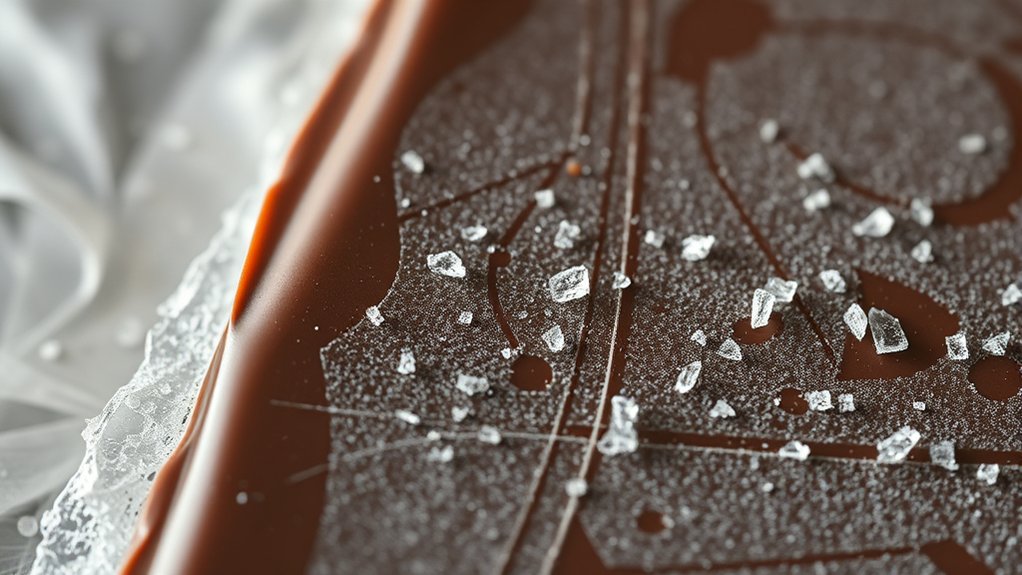
Chocolate blooms when frozen because of temperature fluctuations and moisture exposure that cause the cocoa butter or sugar crystals to migrate to the surface.
When you freeze chocolate bars, inconsistent cooling or humidity can disrupt the delicate balance achieved through proper tempering. Tempering involves heating and cooling chocolate to stabilize the cocoa butter crystals, ensuring a smooth, glossy finish.
If this process isn’t done correctly or if moisture gets into the coating, the crystals can separate and form dull, grayish patches. In the freezer, fluctuating temperatures cause these crystals to move, resulting in bloom.
While bloom doesn’t make the chocolate unsafe to eat, it does change its texture and appearance, making it look unappealing. To reduce blooming, keep chocolate in an airtight, moisture-proof container and avoid rapid temperature changes.
Proper tempering and sealed storage help keep your chocolate smooth and shiny, even after freezing.
Can Freezing Make Chocolate More Crispy or Chalky?
Have you ever noticed that frozen chocolate sometimes becomes unexpectedly crispy or chalky? This change can happen when you freeze chocolate for candy storage or other purposes. Freezing causes moisture to migrate within the chocolate, leading to a change in texture.
The crispiness might come from the rapid cooling, which creates a firm snap, but too much moisture can make it feel chalky. When you’re pairing chocolate with other flavors, remember that texture plays a big role; freezing can change how chocolate interacts.
If chocolate isn’t stored properly, moisture and temperature changes can make it crumbly or powdery. To prevent this, store chocolate tightly sealed to keep moisture out, especially when freezing.
While freezing can make some chocolates crispier, it can also risk making others chalky if moisture gets trapped inside. Understanding how freezing impacts texture helps you pick the best storage method for your favorite chocolates.
Is Freezing Good or Bad for Long-Term Chocolate Storage?
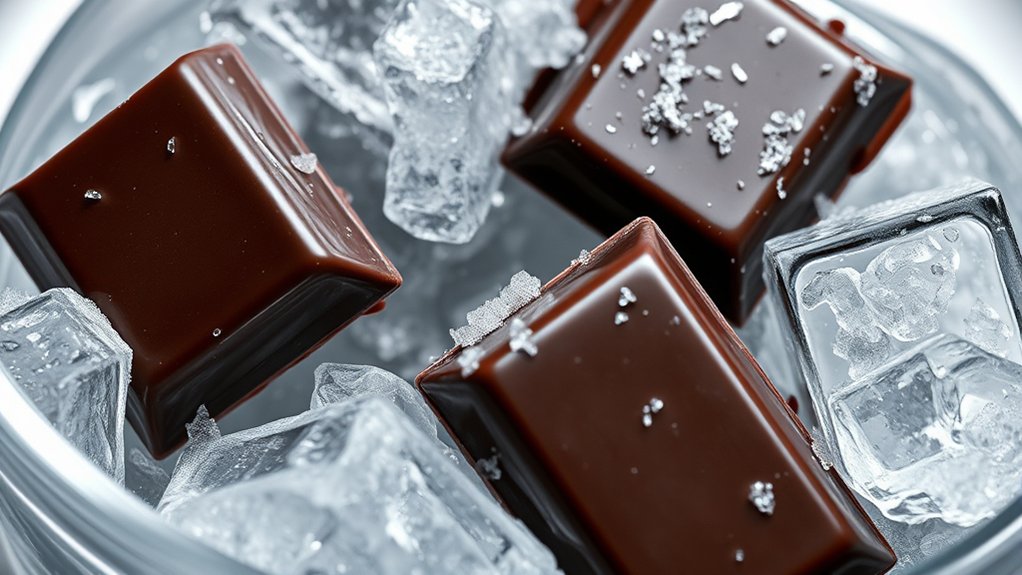
Freezing can be a handy option for long-term chocolate storage, especially if you need to preserve large quantities or prevent spoilage. It helps keep your chocolate fresh and stops it from developing off-flavors caused by humidity or temperature changes.
However, freezing can affect the texture and flavor of chocolate, which might change slightly after thawing. This can impact how it pairs with other foods. Properly wrapping your chocolate before freezing is key—use plastic wrap or aluminum foil and store it in an airtight container to prevent freezer burn or smells from seeping in.
Keep the freezer at a consistent temperature to maintain quality. While freezing can extend shelf life, it’s not always ideal for delicate chocolates with fillings or detailed designs, as they may crack or look dull after thawing.
How to Freeze and Thaw Chocolate Properly
Want to freeze your chocolate candy bars without messing up their texture? First, make sure to wrap each one tightly in plastic wrap or foil. This helps keep out the freezer burn and keeps them fresh. Then, pop those wrapped chocolates into an airtight container or a freezer bag, and try to keep the temperature steady—that way, they stay in good shape.
When you’re ready to enjoy the chocolates, don’t just take them out and start snacking. Instead, let them thaw slowly in the refrigerator. This gentle thawing helps prevent condensation from forming on the surface, which can mess with the texture and appearance. And that’s it! Now you can enjoy your frozen chocolates just like they’re fresh.
Preparing Chocolate for Freezing
Wondering how to freeze chocolate candy bars without ruining their texture and flavor? Start by preparing your candy for freezing through proper storage.
Wrap each chocolate bar tightly in plastic wrap or foil to prevent air exposure, which can cause freezer burn and flavor transfer. For extra protection, place the wrapped bars in an airtight container or a resealable freezer bag.
Think about pairing your chocolate with other items to stop flavors from mingling—especially if you’re storing different kinds of candy. Label everything clearly with dates so you can keep track of freshness.
Proper preparation ensures your chocolate stays fresh, maintains its flavor, and is ready for your next treat. Taking these simple steps helps you enjoy your candy just as you like it.
Proper Freezing Techniques
Once your chocolate bars are properly wrapped and stored, the next step is to freeze them correctly to keep their texture and flavor intact. Proper freezing means paying attention to packaging and freezer temperature.
Use airtight packaging to keep moisture and odors out. This helps prevent the chocolate from absorbing unwanted smells and getting damaged.
Make sure your freezer is set to 0°F (-18°C) for consistent, safe temperatures. This keeps the chocolate in the best condition.
Avoid stacking heavy items on top of the chocolate to prevent crushing or cracking. Gentle handling helps maintain its shape and quality.
Label the package with the date so you can keep track of how long it’s been frozen. This way, you’ll know when it’s time to enjoy your chocolate.
Following these tips helps preserve the quality, prevents freezer burn, and ensures your chocolate stays delicious until you’re ready to indulge.
Safe Thawing Methods
When thawing frozen chocolate, it’s important to do it slowly to avoid melting or texture issues. The best way is to move the candy bars from the freezer to the fridge and let them thaw gradually over several hours.
This gentle approach helps keep the chocolate’s smooth texture and prevents bloom. Once thawed, you can enjoy your chocolate with full flavor and the right consistency, perfect for pairing or using in candy making.
Avoid quick thawing methods like microwaving, which can cause uneven melting and damage the chocolate’s quality. Taking your time during thawing keeps your chocolate delicious and visually appealing.
Patience is key to maintaining the quality of your frozen chocolate bars, whether for casual snacking or professional use.
What Are the Risks of Freezing Your Chocolate?
Freezing your chocolate candy bars can come with some risks that might affect their texture and flavor. When you freeze chocolate, moisture and temperature swings can cause problems during storage and later enjoyment. Here are some risks to consider:
- Blooming: Cold temps can cause sugar or fat to move to the surface, creating a whitish film. It doesn’t change the taste but does affect how it looks.
- Texture Changes: Freezing can make chocolate more brittle or crumbly, which might change how it melts or pairs with other treats.
- Flavor Loss: Keeping chocolate frozen for too long can dull its subtle flavors, making it less vibrant in recipes or when pairing.
- Condensation: If you don’t thaw properly, moisture can sneak in and cause stickiness or mold, which isn’t safe for storage.
Knowing these risks helps you decide if freezing is worth it or if better storage options are better for keeping your chocolate at its best.
Does Freezing Alter the Nutritional Content of Chocolate?
Freezing your chocolate candy bars doesn’t significantly change their nutritional content. During the chocolate-making process, ingredients like cocoa solids, milk, sugar, and fats are combined to create a stable product.
Freezing mainly affects the physical state, not the nutrients. Cold temperatures slow chemical changes but don’t really alter carbs, fats, or proteins much. Vitamins and minerals stay mostly intact because freezing doesn’t break them down.
If moisture gets into the wrapper or condensation forms when you thaw it, there’s a slight chance for minor nutrient loss over time. But with proper storage, this isn’t a big concern.
When Should You Avoid Freezing Your Chocolate Candy Bars?
Have you ever considered that freezing your chocolate candy bars might not always be the best idea? You should avoid freezing them in certain situations to keep the quality high.
If your chocolate is in poor-quality packaging, freezing can let moisture seep in, damaging the texture and flavor.
When you’re planning to store the candy for more than a few months, the length of freezing time matters—too long can cause freezer burn and flavor loss.
If you like your chocolate to stay smooth and shiny, avoid freezing because it can cause surface bloom and dullness.
For chocolates with fillings or added ingredients, freezing might change the texture and cause separation, especially if the packaging isn’t airtight.
Frequently Asked Questions
Can Freezing Extend the Shelf Life of Chocolate Candy Bars?
Yes, freezing can extend the shelf life of chocolate candy bars. When you freeze them, you help preserve their flavor and keep the chocolate’s texture by slowing down the aging process.
Just be sure to wrap the bars tightly to prevent moisture and freezer burn, which can hurt the chocolate’s texture and flavor.
If stored properly, frozen chocolate bars can last several months without losing quality.
Does Freezing Impact the Melting Point of Chocolate?
Freezing chocolate does impact its melting point because of the temperature change. When you freeze it, the crystalline structure becomes more stable, which can slightly raise its melting point.
This means it might take a bit longer to melt at room temperature. But once it warms up, it melts normally. So, freezing can cause small changes in how it melts, but it usually doesn’t stop it from melting altogether. It just changes when and how it melts.
How Does Freezing Affect Chocolate With Fillings or Added Ingredients?
Think of your chocolate with fillings as a vintage record album. Freezing can cause texture changes, making the fillings soggy or crumbly, kind of like a scratched vinyl.
But it does help preserve the flavor, keeping it fresh until you’re ready to enjoy it. When you freeze chocolate with added ingredients, be aware that moisture might affect the texture.
Still, the overall flavor stays locked in, so you get a satisfying treat once it’s thawed.
Can Freezing Cause Changes in Chocolate’s Color or Appearance?
Freezing chocolate can cause a color change, often making it look dull or grayish because of chocolate bloom. This bloom happens when moisture condenses on the surface and reacts with cocoa butter, forming a whitish film.
While it doesn’t alter the taste, it can make the chocolate look less appealing. To avoid this, store your chocolate in a cool, dry place and steer clear of sudden temperature changes that bring moisture and bloom.
Is It Safe to Refreeze Chocolate After Initial Thawing?
Yes, you can refreeze chocolate after thawing, but be cautious. Temperature changes during refreezing can affect its texture, making it less smooth and possibly creating ice crystals.
To keep quality high, make sure the chocolate stays at a consistent temperature and use it quickly once thawed. Repeated freezing and thawing might affect how it looks and feels.
It’s best to portion the chocolate beforehand for single-use to avoid unnecessary refreezing. This way, you can enjoy it at its best without risking damage from multiple freeze-thaw cycles.
Conclusion
Freezing your chocolate candy bars can be a handy trick, but it’s not without its pitfalls. While it might preserve your treats or make them easier to store, it can also change their texture and appearance.
Remember, “look before you leap”—consider whether the benefits outweigh the potential downsides. When done carefully, freezing can be a useful tool. Otherwise, it’s best to enjoy your chocolates fresh for the best experience.
Freezing chocolate candy bars can be useful, but be aware of how it might affect their quality.