How Much Caffeine Does Chocolate Candy Have?
Are you someone who loves chocolate candy but worries about the caffeine content? You’re not alone—many people struggle to figure out how much caffeine is in their favorite treats. Whether you’re trying to cut back or just curious, understanding how much caffeine is in chocolate can be tricky.
The caffeine in chocolate candy depends on the type, cocoa percentage, and serving size. Milk chocolates typically have around 6 mg of caffeine per ounce, while dark chocolates can range from 12 mg or more, especially at higher cacao levels. White chocolates contain almost no caffeine.
Portion sizes matter, so bigger pieces provide more caffeine. If you want to control your intake or learn about specific brands, keep exploring for helpful tips and details.
Key Takeaways
- Dark chocolate candies usually have about 12 mg of caffeine per ounce, and higher cacao percentages can boost that amount.
- Milk chocolate candies generally contain around 6 mg of caffeine per ounce because they have less cocoa.
- White chocolate candies have very little caffeine, roughly 0.1 mg per ounce, since they don’t contain cocoa solids.
- The caffeine content can vary depending on how they’re made, the ingredients used, and where the cacao comes from.
- Keep in mind that portion size really affects how much caffeine you’re consuming from chocolate candies.
What Factors Affect Caffeine Levels in Chocolate
Several factors influence the caffeine content in chocolate, and understanding these can help you predict how much caffeine you’ll consume. One key factor is the chocolate flavor; darker chocolates generally contain more caffeine because they use higher cocoa content.
The manufacturing process also plays a big role. During production, cocoa beans are processed differently—some methods keep more of the natural caffeine, while others reduce it. For example, Dutch-processed cocoa has a milder flavor but often contains less caffeine than natural cocoa.
Moreover, the amount of cocoa solids in the final product directly impacts caffeine levels. Chocolates with higher cocoa percentages tend to have more caffeine. Even the way chocolate is blended and refined can influence caffeine concentration.
How Much Caffeine Is in Milk Chocolate?
Milk chocolate typically contains less caffeine than darker varieties, making it a popular choice for those wanting a milder caffeine boost. Its smooth, sweet flavor masks the more bitter notes found in darker chocolates, which tend to have higher caffeine levels.
The caffeine content in milk chocolate varies depending on how it’s made and its cocoa content. On average, a standard ounce has about 6 milligrams of caffeine. Your metabolism also plays a role in how quickly you feel the effects.
Some people feel the boost sooner, while others experience it more slowly. Keep in mind that larger servings will increase your caffeine intake, and higher cocoa content generally means more caffeine.
Dark Chocolate and Its Caffeine Range
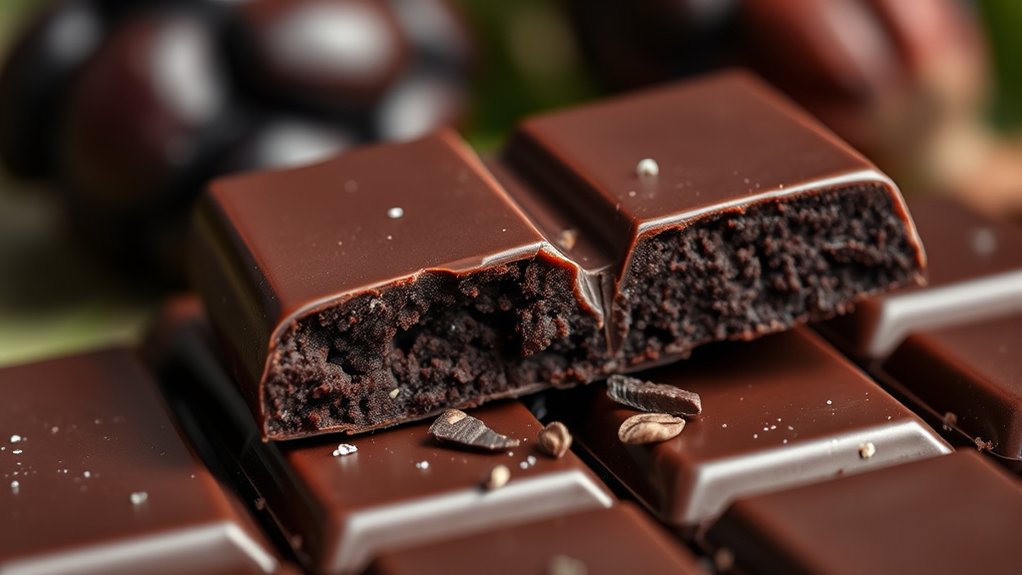
Dark chocolate can really vary when it comes to caffeine content. Some bars give you just a little pick-me-up, while others pack quite a punch. The key thing to remember is that the amount of caffeine mainly depends on the cocoa percentage. Basically, the higher the cocoa content, the more caffeine you’re likely to get in each serving.
Getting a handle on these differences can help you pick the perfect chocolate for your cravings — without going over your caffeine limits. So, whether you want a subtle boost or a stronger hit, knowing what to look for makes all the difference.
Caffeine Content Variability
The caffeine content in dark chocolate can vary a lot depending on the brand and cacao percentage. Generally, higher cacao percentages have more caffeine, but how it’s made also plays a role.
Some brands add ingredients that dilute caffeine, while others focus on flavor pairings that highlight cacao’s richness. The processes of fermentation, roasting, and conching can also change caffeine levels, making each batch a bit unique.
If you’re sensitive to caffeine, it’s a good idea to check labels carefully. The caffeine range can differ quite a bit even within the same cacao percentage.
Understanding these factors can help you estimate how much caffeine you’re getting from each piece. In the end, the variability means you need to be mindful of brand and processing differences when tracking your caffeine intake from dark chocolate.
Dark Chocolate Strength
Caffeine content in dark chocolate directly correlates with its cacao strength, meaning higher cacao percentages typically pack more caffeine. When choosing dark chocolate, the flavor intensity often indicates caffeine levels.
For example, chocolates labeled 70%, 85%, or 90% cacao generally have increasing caffeine amounts. Keep these points in mind:
- The darker the chocolate, the more caffeine it contains.
- Cacao percentage reflects ingredient sourcing and influences flavor and caffeine content.
- Richer chocolate flavor often means higher caffeine, but quality sourcing impacts both taste and caffeine levels.
Understanding these factors helps you pick the right dark chocolate for your caffeine needs, whether for taste or energy. Higher cacao percentages mean a stronger chocolate flavor, but also more caffeine, making ingredient sourcing crucial for quality and potency.
Does White Chocolate Contain Any Caffeine?
Although white chocolate is often mistaken for other types of chocolate, it actually contains little to no caffeine. Its unique composition comes from cocoa butter, not cocoa solids, which are responsible for caffeine content.
The white chocolate history dates back to the early 20th century when manufacturers started producing it as a caffeine-free alternative. Many people choose white chocolate for its creamy flavor and use it in recipes or as a caffeine alternative in some cases.
Here’s a quick overview:
| Feature | Details | Notes |
|---|---|---|
| Caffeine Content | Very minimal or none | Compared to dark or milk chocolate |
| White Chocolate History | Introduced as a caffeine-free option | Popular since early 1900s |
| Caffeine Alternative Uses | Used in recipes for those avoiding caffeine | Ideal for sensitive consumers |
How Serving Size Changes Your Caffeine Intake
Your caffeine intake from chocolate candy really depends on how much you decide to eat. If you go for a bigger piece, you’re getting more caffeine, but if you choose a smaller one, your caffeine intake drops pretty quickly. It’s all about the portion size!
Getting a handle on how much caffeine is in each serving can help you make smarter choices—whether you’re trying to enjoy a treat without overdoing it or just want to stay within your caffeine limits. So, knowing the caffeine content per serving really makes a difference in how you indulge.
Portion Size Impact
The amount of caffeine you get from chocolate candy really depends on how much you eat. Bigger servings mean more caffeine, so it’s good to pay attention to portion size.
For example, smaller pieces can have less caffeine but still help satisfy your craving.
Packaging design also plays a role—sometimes it makes it tempting to grab more than you really need.
Flavor pairing can make your treat more enjoyable, but it might encourage you to have a larger portion, which increases your caffeine intake.
Serving Size Variations
Serving size variations really impact how much caffeine you get from chocolate candy. The amount of caffeine depends on how much you eat—larger servings mean more chocolate, so more caffeine gets extracted.
Different types of chocolate, like dark, milk, or white, also affect caffeine levels. Usually, darker chocolates have more caffeine. When you go for a bigger piece or eat multiple pieces, your caffeine intake goes up.
Even small changes in serving size can make a big difference in your overall caffeine consumption. So, if you’re sensitive to caffeine or trying to cut back, paying attention to portion sizes is really important.
Caffeine Content Per Serving
When considering how much caffeine you get from chocolate candy, the size of each serving really matters. Larger servings mean more chocolate flavor and more caffeine absorption, which boosts your intake.
Keep in mind that a small piece might have just a few milligrams of caffeine, but a bigger portion can significantly increase your dose. The caffeine content also varies depending on the type of chocolate—you’ll find more in dark chocolate than in milk chocolate.
Serving size directly impacts how much caffeine you’re consuming, so always check the label to know what you’re getting.
Caffeine Content in Popular Chocolate Brands
Many popular chocolate brands contain varying amounts of caffeine, so it’s a good idea to check labels if you’re sensitive or trying to limit your intake.
Dark chocolate tends to have higher caffeine content because of its richer flavor and higher cocoa levels. For example, a 1-ounce piece of dark chocolate can have around 12 milligrams of caffeine, while milk chocolate usually has about 6 milligrams.
Dark chocolate contains more caffeine, with about 12 mg per ounce, compared to milk chocolate’s 6 mg.
The caffeine amount also depends on the brand and how it’s made. Your caffeine metabolism plays a big role in how fast you process and feel the effects of caffeine from chocolate.
Some specialty or artisanal chocolates might have slightly different caffeine levels based on their cocoa sources.
If you’re watching your caffeine intake, always check the nutrition labels and think about how your body processes caffeine.
Being aware of this helps you enjoy chocolate without going over your caffeine limits.
Are Some Brands Higher in Caffeine Than Others?
Different chocolate brands can vary a lot in their caffeine content, even if they have similar cocoa percentages. This mainly depends on flavor choices and ingredient differences. Some brands add more cocoa solids, which boosts caffeine, while others include ingredients that dilute it.
Here are three main points to keep in mind:
- Cocoa percentage: Higher percentages usually mean more caffeine, but ingredient tweaks can change that.
- Chocolate type: Dark chocolate generally has more caffeine than milk or white chocolate because of its richer cocoa content.
- Processing methods: How the chocolate is made can impact caffeine retention, so some brands naturally end up higher in caffeine than others.
Knowing these factors helps explain why some brands pack more caffeine, even if their cocoa percentages look similar. Always check the ingredient list to get a clearer idea of a brand’s caffeine levels.
How Much White Chocolate Is Safe for Caffeine Avoidance
White chocolate has pretty much minimal caffeine, so it’s generally a good choice if you’re trying to steer clear of it. That said, if you eat a lot of white chocolate, those tiny amounts can add up over time.
To really avoid caffeine altogether, it’s helpful to know what the safe daily limit is. Being aware of these guidelines lets you enjoy your favorite treats without accidentally consuming more caffeine than you want.
White Chocolate Caffeine Content
While white chocolate contains much less caffeine than milk or dark chocolates, it’s still good to know how much is safe if you’re trying to avoid caffeine altogether. White chocolate comes from the cacao bean’s fat, sugar, and milk solids, making it a popular choice for caffeine-free treats.
Typically, white chocolate has about 0.1 mg of caffeine per ounce, which is very little. This small amount means you don’t need to worry about consuming a lot of caffeine from white chocolate.
Just keep in mind a few things: most white chocolates are naturally caffeine-free because of their ingredients. Always check the label, though, since some brands may add caffeine or other stimulants. If you’re avoiding caffeine completely, choose pure white chocolate with minimal additives.
Safe Consumption Limits
Since white chocolate contains only tiny amounts of caffeine, eating it in moderation is generally safe if you’re avoiding caffeine completely.
The chocolate flavor in white chocolate is minimal and doesn’t really affect how your body processes caffeine. To stay safe, stick to about one or two ounces at a time.
This amount helps you avoid accidentally consuming caffeine from the small traces in the chocolate. If you’re sensitive, watch how your body reacts, since even small amounts can make a difference.
Reading Chocolate Labels to Find Caffeine Content
To find out how much caffeine is in your chocolate candy, start by reading the nutrition label carefully. Look for the caffeine amount listed directly, but keep in mind it can vary based on the flavor and ingredients.
Not all labels show caffeine clearly, so check the ingredient list for clues. Usually, higher cacao percentages mean more caffeine.
When you’re reading the label, focus on these points:
- Caffeine Content: Check the milligrams per serving to compare different chocolates.
- Ingredient Sourcing: The type and origin of cacao can influence caffeine levels.
- Chocolate Flavor: Darker chocolates with more cacao generally have more caffeine.
Tips to Manage Your Caffeine Intake From Chocolate
Managing your caffeine intake from chocolate starts with being mindful of how much you eat. Pay attention to the chocolate flavor, as darker chocolates tend to have higher caffeine levels.
Be mindful of your chocolate choices; darker varieties contain more caffeine and can impact your energy and sleep.
To better control your intake, choose milk or white chocolates, which typically contain less caffeine. Understanding your caffeine metabolism can also help; some people process caffeine faster, allowing them to enjoy small amounts without adverse effects.
Keep track of your consumption, especially if you’re sensitive to caffeine’s effects like jitters or sleep issues. Reading labels carefully helps you determine the caffeine content in different chocolate candies.
If you’re trying to cut back, consider limiting yourself to smaller portions or spreading out your chocolate treats throughout the day. Remember, moderation is key.
Frequently Asked Questions
Does Hot Chocolate Contain More Caffeine Than Chocolate Candies?
Hot chocolate generally contains more caffeine than chocolate candies because it’s made from brewed cocoa powder or chocolate, which retains more caffeine. The chocolate flavor in hot chocolate is stronger and more concentrated, leading to a higher caffeine content per serving.
Candy chocolates, especially milk chocolates, have less caffeine since they contain lower cocoa percentages and are often eaten in smaller amounts. So, if you’re after more caffeine, hot chocolate is your better choice.
How Does Caffeine in Chocolate Compare to Coffee or Tea?
Think of chocolate flavor as a gentle whisper compared to coffee or tea’s bold shout. Caffeine absorption from chocolate is slower and less intense, like a warm sunrise. Coffee and tea deliver a quick, invigorating burst.
When you indulge, your body absorbs caffeine from chocolate gradually, giving you a mellow lift. So, chocolate’s caffeine is a softer, subtler companion, unlike the lively jolt from coffee or tea.
Can Eating Chocolate Affect Caffeine Sensitivity or Tolerance?
Eating chocolate can influence your caffeine sensitivity and how quickly you develop tolerance. When you eat chocolate, it adds to your overall caffeine intake, which can affect your body’s response over time.
This means you might start needing more chocolate or other caffeinated things to get the same boost. Just remember, moderation is key to managing your caffeine sensitivity and avoiding any unwanted side effects.
Are There Decaffeinated Chocolate Options Available?
Yes, you can find decaffeinated chocolate options, crafted through special decaffeination processes that preserve the rich chocolate flavor while removing most caffeine.
These chocolates let you indulge without the jittery buzz, like a smooth melody without the sharp notes. Manufacturers often use techniques like water or CO2 extraction, ensuring your favorite treats still deliver that luscious taste.
With caffeine kept at bay, these chocolates are perfect for sensitive or caffeine-conscious snacking.
How Long Does Caffeine From Chocolate Stay in Your System?
Caffeine from chocolate stays in your system for about 3 to 7 hours, depending on your caffeine metabolism and tolerance development. If you have a faster metabolism, you’ll process caffeine quicker.
Higher tolerance can also extend its effects. Factors like age, weight, and liver health influence how long caffeine lingers too.
To avoid sleep disturbances, consider limiting your chocolate intake later in the day, especially if you’re sensitive to caffeine’s effects.
Conclusion
While indulging in chocolate can brighten your day, it’s wise to be mindful of its caffeine whispers. By understanding the variations and reading labels carefully, you can enjoy your favorite treats without tipping the delicate balance.
Remember, moderation is your gentle guide—allowing you to savor the sweetness while keeping caffeine’s subtle influence in check. So, indulge thoughtfully, and let chocolate be a comforting pleasure rather than a silent burden.
When it comes to chocolate candy, knowing how much caffeine it contains helps you make smarter choices. Enjoy your favorite chocolates, but keep an eye on caffeine levels to stay in control.