What Ingredients Are in Cotton Candy – Is It Pure Sugar?
Are you a fan of cotton candy but often wonder what’s really inside that fluffy treat? You’re not alone—many people struggle with understanding ingredient labels and what they really mean.
If you’re trying to enjoy a sweet snack without unwanted additives, it’s helpful to know what’s in your cotton candy.
Cotton candy is mainly made from finely spun sugar, so it’s mostly pure sugar. However, many varieties also include artificial flavors, vibrant food colors, and sometimes preservatives or stabilizers to improve texture and shelf life.
While traditional cotton candy contains few additives, some brands use natural ingredients or organic options.
To know exactly what’s in your cotton candy, check the label closely—there’s more you should know about ingredients and their effects.
Key Takeaways
- Cotton candy is mainly made from melted sugar spun into fluffy strands, often with added flavors and colors.
- Most cotton candy contains pure sugar along with artificial or natural flavorings and food dyes to give it different tastes and looks.
- Some brands add preservatives, stabilizers, or flavor enhancers, but traditional cotton candy usually doesn’t have preservatives.
- Natural or organic cotton candy uses ingredients like fruit or vegetable-derived colors, relying less on artificial additives.
- Checking ingredient labels helps you see if the cotton candy is just sugar or if it includes artificial additives and preservatives.
What Are the Main Ingredients in Cotton Candy?
Cotton candy is mainly made from sugar, which gets heated until it melts into a liquid. When spun, this liquid sugar cools quickly, forming thin strands that create the fluffy treat you enjoy.
Cotton candy is made from melted sugar spun into thin, fluffy strands.
While sugar is the star ingredient, manufacturers often add flavor variations to make it tastier. You might find options like cherry, grape, or bubblegum.
These flavors are usually created by mixing natural or artificial flavorings into the sugar before heating. The texture can differ depending on how fast the sugar cools and how finely it’s spun.
This results in either a light, airy feel or slightly denser strands. Some varieties also include small amounts of food coloring to make them visually appealing.
But these colorings don’t significantly change the main ingredients. Overall, the ingredients are simple, with flavor and texture changes mainly coming from how the sugar is processed and flavored.
Is Cotton Candy Made of Pure Sugar or Are There Additives?
Most cotton candy is mainly made from sugar, but sometimes there are added ingredients to make it look and taste more appealing. These additives can include things like food coloring and flavoring agents. So, while it’s mostly pure sugar, there might be some extras involved.
Have you ever wondered what’s really in your cotton candy? It’s always a good idea to check the ingredients if you want to be sure about what you’re eating!
Composition of Cotton Candy
Despite its fluffy appearance, cotton candy is mainly made from pure sugar that’s been melted and spun into thin, airy strands. This process creates the light, melt-in-your-mouth texture you enjoy.
While sugar is the main ingredient, flavor variations like cherry, blueberry, or vanilla are added before spinning. These flavors enhance the taste without changing the basic composition.
The texture differences between flavors are subtle but noticeable. Some might be slightly softer or crisper depending on the added flavoring.
Presence of Additives
While cotton candy is mainly made from pure sugar, it often includes small amounts of additives to boost flavor, color, or texture. These additives help make it more appealing and tasty.
These include artificial flavors, food dyes, and stabilizers, which improve the visual look and flavor. Depending on the flavor, you might see vibrant colors or unique tastes that sugar alone can’t give you.
Food dyes are responsible for the bright pinks, blues, or greens, while artificial flavors like cherry, blue raspberry, or lemon add extra fun. Usually, these additives are safe, but some people prefer to avoid them.
How Is Cotton Candy Made? A Step-by-Step Look
Making cotton candy starts with heating sugar until it melts into a thick, sticky liquid. This process has been around for a long time and involves spinning the heated sugar into thin, thread-like strands.
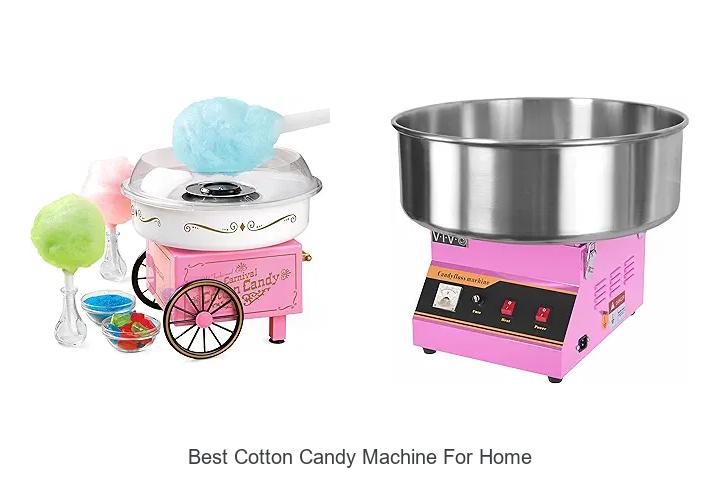
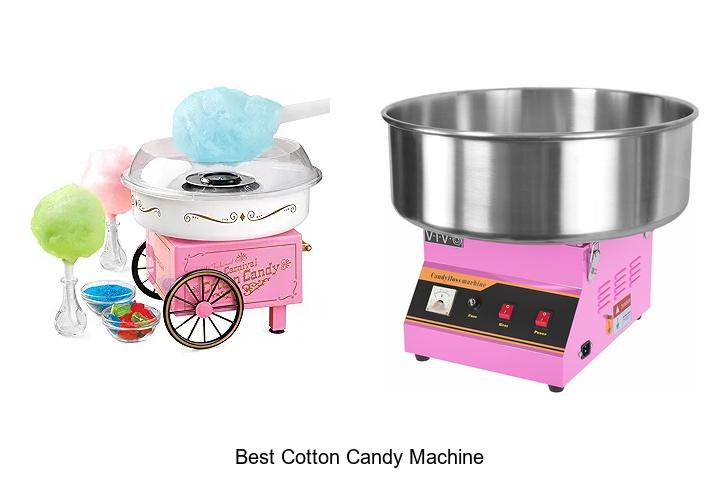
You’ll see a machine with a heated bowl that melts the sugar. The melted sugar is then pushed through tiny holes by spinning really fast. As the sugar comes out, it cools quickly in the air and turns into fine, fluffy strands.
Here’s a simple overview of how it’s done:
| Step | Description | Equipment Needed |
|---|---|---|
| 1 | Heating sugar until it melts | Cotton candy machine bowl |
| 2 | Spinning the melted sugar | Centrifugal spinner |
| 3 | Flossing the sugar strands | Cone or stick |
| 4 | Collecting the cotton candy | Hand or machine |
| 5 | Shaping and serving | Final presentation |
This process blends old-school tradition with modern machines, giving us the fluffy treat we love today.
Are Artificial Flavors and Colors Used in Cotton Candy?
Have you ever wondered what gives cotton candy its vibrant colors and enticing flavors? Most often, artificial flavors and colors are added to boost its appeal. These additives make the treat more attractive and flavorful, especially at fairs or amusement parks. Here’s what you should know:
- Artificial colors are used to create bright, eye-catching hues like pink, blue, and green.
- Artificial flavors mimic fruit or dessert tastes, making each bite more enjoyable.
- Some cotton candies contain flavor enhancers to intensify the taste, ensuring a stronger flavor experience.
- Artificial sweeteners are rarely used in traditional cotton candy but may be present in sugar-free or specialty varieties.
These ingredients are carefully added to improve the sensory experience, but if you prefer pure sugar, check ingredient labels to avoid artificial additives.
Does Cotton Candy Contain Preservatives or Stabilizers?
Many cotton candies don’t actually contain preservatives, since they’re best enjoyed fresh. But some brands might add preservatives to help them last a little longer on the shelf.
As for stabilizers, they can be included to keep the texture nice and consistent. This way, the cotton candy stays fluffy and doesn’t get too sticky or hard over time.
You’ll notice a mix of natural and artificial additives depending on the brand and ingredients used. So, if you’re curious about what’s in your cotton candy, it’s always a good idea to check the label!
Common Preservatives Used
Cotton candy usually doesn’t have preservatives or stabilizers since its main ingredients—sugar and flavoring—are naturally shelf-stable.
But some commercial types might include additives to extend shelf life or improve taste. You might see things like:
- Sugar alternatives – rare in authentic cotton candy, but some products use them to cut down on sugar.
- Flavor intensifiers – added to make the flavor pop and enhance the overall taste.
- Anticaking agents – help prevent clumping during storage.
- Color stabilizers – keep the bright colors looking fresh over time.
Most cotton candy is made with simple ingredients, but it’s always a good idea to check labels if you’re concerned about preservatives. Keep in mind that flavor boosters and additives are used sparingly to keep the treat natural and appealing.
Impact of Stabilizers
Although cotton candy is mainly made from simple ingredients like sugar and flavorings, some products include stabilizers to help maintain their texture and appearance during storage. These stabilizers can prevent the sugar from clumping or becoming hard.
Common stabilizers include gums like guar gum or carboxymethyl cellulose, which help keep the cotton candy light and fluffy. The impact analysis shows that stabilizers usually don’t affect safety or flavor but do improve shelf life and visual appeal.
They are used in small quantities, so they don’t noticeably change the product’s purity or natural qualities. Overall, stabilizers help preserve the structure of cotton candy, so you can enjoy a fresh, appealing treat even after some time.
Natural vs. Artificial Additives
You might wonder if cotton candy contains preservatives or stabilizers, especially since some products last longer or look brighter. Most cotton candy is made with simple ingredients: sugar, natural flavoring, and synthetic coloring. Typically, it doesn’t need preservatives because it’s meant to be enjoyed quickly.
However, some brands add artificial stabilizers to extend shelf life or improve texture. Here’s what to look for:
- Natural flavoring that improves taste without chemicals.
- Synthetic coloring to create vibrant, appealing hues.
- Preservatives, if listed, which aren’t common in traditional cotton candy.
- Stabilizers, used occasionally to maintain consistency during packaging.
In most cases, cotton candy’s ingredients are straightforward, but checking labels helps you identify artificial additives.
How Do Different Ingredients Affect Cotton Candy’s Flavor and Texture?
Different ingredients play an important role in shaping both the flavor and texture of cotton candy. The basic sugar creates a sweet, neutral taste, but added flavorings like fruit extracts or artificial flavors can greatly alter its flavor profiles. These flavorings give cotton candy its vibrant, appealing taste, making each variety unique.
The type of sugar or sweetener used also influences texture variations. For example, finer sugars melt more smoothly, resulting in a softer, fluffier cotton candy. Conversely, thicker or coarser ingredients can produce a denser or crunchier texture.
Colorings don’t just add visual appeal—they can subtly influence perceived flavor intensity as well. Furthermore, stabilizers or preservatives may impact how the cotton candy melts in your mouth, affecting overall mouthfeel. In short, every ingredient, from flavorings to colorings, plays an essential role in defining whether cotton candy feels delicate or chewy and tastes sweet or fruity.
Are Organic or Natural Cotton Candy Options Available?
As consumers become more conscious of what they eat, the demand for organic and natural cotton candy options has grown. Some brands now offer treats made with organic flavors and natural colors, appealing to healthier choices. These options use ingredients like fruit extracts or plant-based dyes instead of synthetic additives.
Here are four things to know:
- Many companies now focus on organic ingredients to meet customer demand.
- Natural colors derived from fruits, vegetables, or spices replace artificial dyes.
- Organic flavors often come from real fruit or plant extracts, making the taste more authentic.
- Not all cotton candy labeled as “natural” or “organic” is completely free of additives, so it’s still a good idea to check the ingredients.
How to Read Cotton Candy Labels for Ingredients and Additives
Ever wondered what those ingredients listed on a cotton candy label really mean? When you do some label reading, you’ll notice that most labels list simple ingredients like sugar, but some also include additives or artificial colors.
To understand what’s really in your cotton candy, check where the ingredients are sourced from. Look for labels that specify natural or artificial flavorings and colors.
Check ingredient sources and look for natural or artificial flavoring and color labels for transparency.
If you see unfamiliar terms or chemical names, take a moment to research them. This helps you see if they’re safe or if you’d prefer to avoid certain additives.
Clear labeling indicates transparent ingredient sourcing, which can help you make more informed choices. Some brands even highlight “pure sugar” or “natural flavoring,” making it easier to trust what you’re eating.
Always read the entire label carefully, especially if you’re concerned about artificial additives or preservatives. Proper label reading guarantees you know exactly what’s in your cotton candy so you can enjoy it with confidence.
Frequently Asked Questions
Are There Vegan or Allergy-Friendly Cotton Candy Options?
Yes, you can find vegan and allergy-friendly cotton candy options. Many brands now offer vegan flavors made without gelatin or dairy, catering to plant-based diets.
For allergy considerations, look for cotton candy free from common allergens like nuts, soy, or gluten. Always check ingredient labels carefully, as some cotton candies may contain artificial colors or flavors that could affect sensitive individuals.
Enjoy a sweet treat that matches your dietary needs!
How Long Does Cotton Candy Typically Stay Fresh?
Cotton candy is like a delicate snowflake, best enjoyed fresh. Typically, it stays fresh for about 15-20 minutes if kept at room temperature. The freshness depends on exposure to air and humidity, which can cause it to melt or harden.
To keep it fluffy longer, store it in an airtight container away from moisture. For the best experience, try to eat it quickly and avoid handling too much to keep its airy texture.
Can Homemade Cotton Candy Contain Different Ingredients?
Yes, you can make homemade cotton candy with different ingredients. You might add flavor variations like vanilla or fruit extracts and use color additives to create vibrant colors.
While traditional cotton candy is mainly sugar, experimenting with these ingredients lets you customize your treat. Just make sure to use food-grade flavorings and colorings.
And always follow safe preparation methods for delicious, personalized cotton candy.
Are There Gluten-Free Cotton Candy Varieties?
Yes, you can find gluten-free cotton candy varieties. Many brands use pure sugar and safe flavorings, making them suitable for gluten-sensitive folks.
When picking flavors, be sure to check labels for gluten-free certification. That way, you know you’re making a safe choice.
Keep in mind that cross-contamination can happen, so it’s always a good idea to check with manufacturers if you have severe gluten allergies.
Enjoying gluten-free cotton candy lets you indulge safely and satisfy your sweet tooth.
How Does Sugar Type Affect Cotton Candy Quality?
Think of sugar types like different paints for an artist—each one influences the cotton candy’s flavor and texture.
Using pure cane sugar gives you a smoother, more consistent candy, while alternative sugars can add unique flavors but might change the fluffiness or shine.
The quality depends on how pure the sugar is and how well it melts, making sure your cotton candy stays light, sweet, and visually appealing, just like a well-crafted masterpiece.
Conclusion
So, next time you indulge in cotton candy, remember it’s mostly just sugar—though it might taste like a magical treat. Some brands add artificial colors and flavors, but the main ingredient stays simple sugar.
Ironically, what seems like a fanciful fairy tale snack is often just a glorified scoop of sugar spun into fluff. It’s pretty amazing how such a simple ingredient can create something so fun and nostalgic.
So go ahead and enjoy it, but don’t forget that sometimes the sweetest memories come from the simplest ingredients—like the pure sugar in cotton candy.