Defining Chocolate Candy: A Comprehensive Guide
Are you tired of settling for mediocre chocolate candies that just don’t hit the spot? You’re not alone—many people struggle to find that perfect treat that satisfies their sweet tooth and offers a memorable flavor experience.
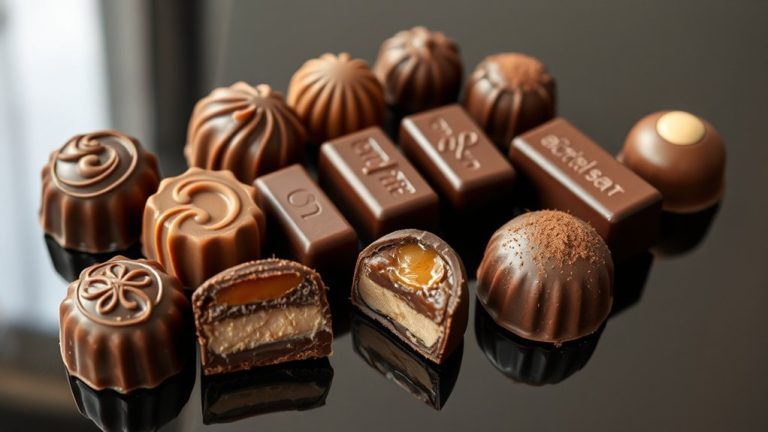
Chocolate candy is a sweet treat made from cocoa solids, cocoa butter, and sugar, shaped through techniques like molding, tempering, and coating to create appealing forms and textures. It often features flavor infusions such as vanilla, fruit, or spices, with fillings like nuts or caramel.
Quality depends on proper processes and ingredients, affecting appearance, aroma, and taste. To uncover more about what makes chocolate candy exceptional, keep exploring the details that make each piece unique.
Key Takeaways
- Chocolate candy is made from cocoa solids, cocoa butter, and sugar, often shaped with molds for visual appeal.
- It includes various flavors and textures, like smooth ganache, crunchy wafers, or chewy caramel.
- Techniques such as tempering and molding help ensure good quality, nice appearance, and the right texture.
- Types include dark, milk, and white chocolate, which are influenced by bean origin and processing methods.
- Preservation methods involve stabilizers and packaging, which affect freshness, shelf life, and how it’s presented culturally.
What Is Chocolate Candy? Understanding the Basics
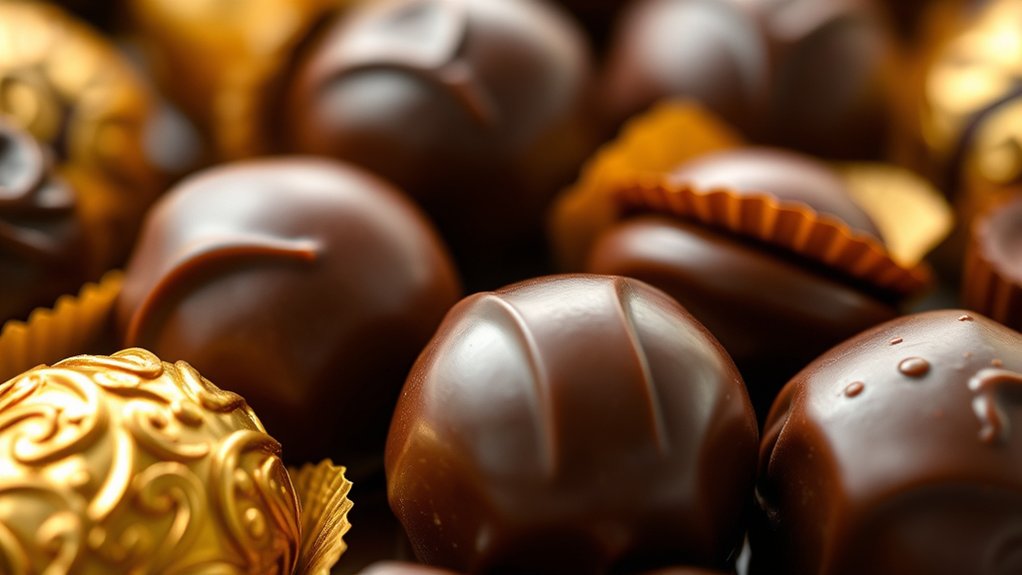
What exactly is chocolate candy? At its core, it’s a sweet treat made from cocoa solids, cocoa butter, and sugar, often shaped into appealing forms.
You’ll notice that chocolate moldings play a big role here—they give candies their distinctive shapes, from bars to intricate figures. These molds are essential in creating a professional look and enhancing the overall experience.
Many chocolates also incorporate flavor infusions, adding layers of taste like vanilla, fruit, or spices. This makes the candy more than just simple sweetness.
The process involves pouring melted chocolate into molds and letting it set, capturing the desired design and texture. Flavor infusions are then blended in, creating unique taste profiles that appeal to different preferences.
What Are the Key Ingredients in Chocolate Candy?
Sure! When it comes to chocolate candy, the main ingredients are pretty simple but essential. You’ll mainly find cocoa solids, cocoa butter, and sugar. These give chocolate its rich flavor and that smooth, melt-in-your-mouth texture we all love.
Sometimes, manufacturers add extra flavorings like vanilla or milk to make the taste even better. And if you’re a fan of variety, you’ll often see nuts or fruit included for a little extra crunch or sweetness. Knowing what’s inside helps you appreciate what makes each chocolate treat special and unique!
Core Components of Chocolate
At the heart of every chocolate candy are its core ingredients, which work together to create the rich, smooth texture and irresistible flavor you enjoy. The primary component is cocoa, sourced from specific bean origins that influence flavor profiles—some beans bring floral notes, others add earthiness. During chocolate melting, these beans release their unique flavors, shaping the final taste.
Sugar and milk solids are added for sweetness and creaminess, balancing the cocoa’s bitterness. Cocoa butter provides the silky texture, giving chocolate its melt-in-your-mouth feel. Here’s a quick look at the core components:
| Ingredient | Role |
|---|---|
| Cocoa beans | Flavor foundation, bean origin |
| Sugar | Sweetness and balance |
| Cocoa butter | Texture and mouthfeel |
Additional Flavoring Ingredients
Have you ever wondered how chocolate candies get their complex and appealing flavors beyond just the basic ingredients? It’s the extra flavoring ingredients that really make them stand out.
You might find fruit extracts, nuts, spices, or even exotic flavors like chili or lavender. These ingredients help create unique flavor combos that set each candy apart.
Seasonal trends also play a role, with peppermint popular in winter or pumpkin spice in fall. These additions can boost the chocolate’s richness or add a surprising twist.
When you’re making or choosing chocolate candies, pay attention to these flavoring ingredients. They’re the secret to creating memorable, innovative treats that delight your taste buds and keep up with changing preferences.
How Do Confectionery Techniques Shape Chocolate Candy?
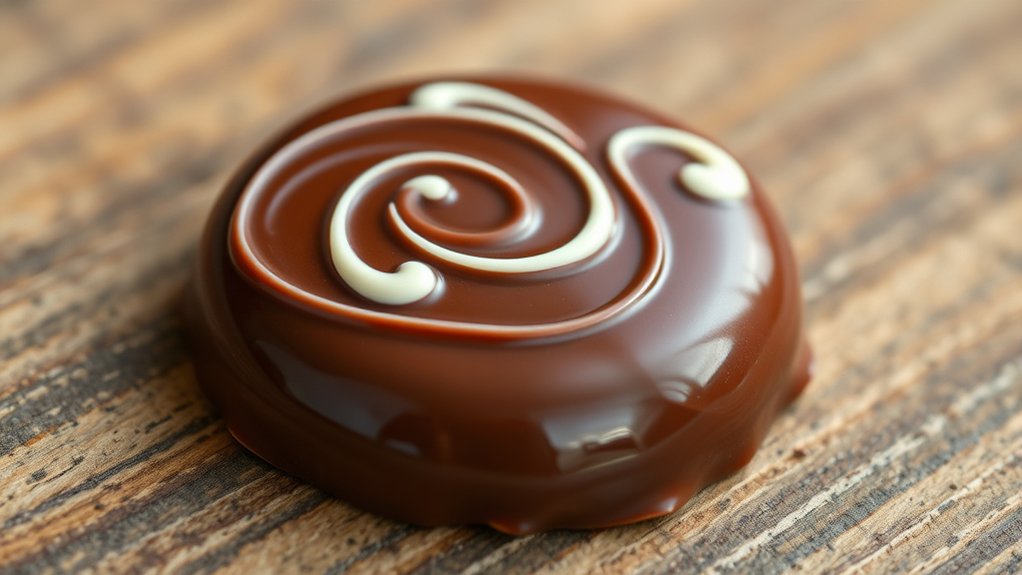
Confectionery techniques play a vital role in shaping the texture, flavor, and appearance of chocolate candy. Your choice of techniques influences how the final product looks and feels.
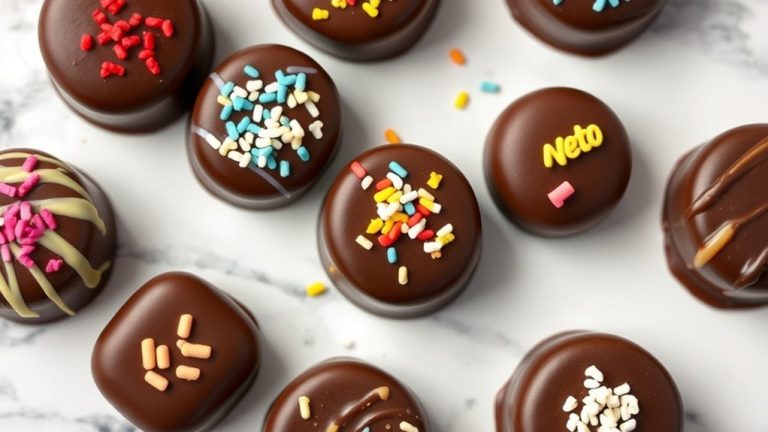
For example, chocolate molding is a key process that determines the shape and surface finish of your candy. Precise tempering ensures a glossy appearance and the right snap, affecting both texture and visual appeal.
When you pour chocolate into molds, how you handle and cool it impacts the smoothness and detail of the design. Techniques like enrobing or coating add layers of flavor and texture, enhancing overall quality.
Managing temperature during each step is essential. It prevents bloom and ensures consistent results. Overall, mastering confectionery techniques allows you to craft chocolate candies that are both delicious and visually stunning.
This makes them more appealing to consumers and elevates your craftsmanship.
What Types of Chocolate Are Used in Candy Making?
Choosing the right type of chocolate is key to making high-quality candies, as each type has unique flavors and textures. Different chocolates come from various origins, which affect their taste, aroma, and color.
For example, beans from West Africa tend to produce milder, fruity chocolates, while South American beans can offer more complex, nutty flavors. Farming practices also matter; sustainable and ethical methods often lead to better bean quality and consistent flavor.
You might pick dark chocolate for rich, intense candies or go with milk chocolate for a creamier, sweeter treat. White chocolate, made from cocoa butter, provides a different flavor and texture, perfect for certain confections.
Understanding these differences helps you choose the right chocolate to match your desired taste, texture, and look. This way, your candies will deliver the best possible experience.
How Texture and Fillings Define Chocolate Candy Varieties
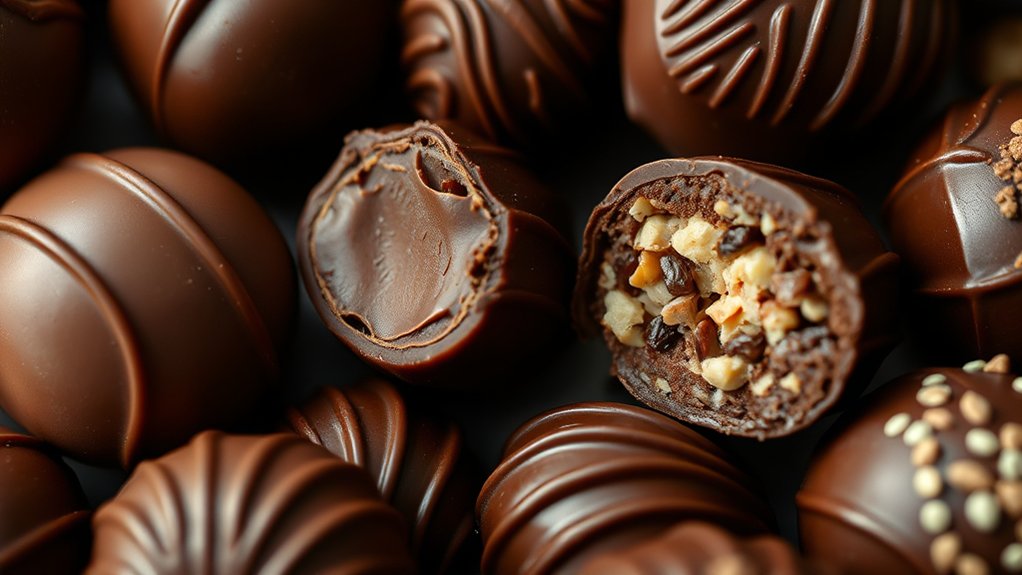
The texture and fillings of chocolate candies are key to their overall appeal and variety. Different textures, from smooth and creamy to crunchy or chewy, create unique sensory experiences that attract different tastes.
Texture options like silky ganache, crisp wafers, or chewy caramel each add their own mouthfeel. Filling choices such as fruit jams, nougat, nuts, or soft centers also shape the candy’s character.
These combinations of texture and fillings determine whether a candy feels indulgent, refreshing, or satisfying. Overall, they play a huge role in making each chocolate treat special.
What Additives and Flavors Are Common in Chocolate Candies?
Many chocolate candies are made with various flavor additions like vanilla, fruit extracts, or even spices to give them extra taste and aroma. These little touches really make each candy unique and more enjoyable.
You’ll also notice that they often contain sweeteners such as sugar, corn syrup, or sometimes artificial options to get that perfect level of sweetness everyone loves. And to keep those candies fresh and maintain their texture for longer, manufacturers usually include preservatives and stabilizers.
Common Flavor Additions
Chocolate candies often feature a variety of flavor additions that enhance their taste and make them more appealing. You’ll find common choices like nuts, fruit extracts, and caramel, which add texture and sweetness.
Beyond these basics, manufacturers love experimenting with unique flavor combinations to create memorable experiences. For example, some chocolates include spices like chili or cinnamon for a spicy kick.
Seasonal flavors also play a big role, with peppermint during winter holidays or pumpkin spice in fall becoming popular choices. To explore your chocolate experience, consider these options:
- Nuts and dried fruits for crunch and natural sweetness
- Spices and herbs for bold, complex flavors
- Seasonal flavors like peppermint or pumpkin spice for timely appeal
These flavor additions make chocolate candies more exciting and versatile all year round.
Popular Sweeteners Used
Have you ever wondered what sweeteners give chocolate candies their irresistible richness? Many chocolates use traditional options like sugar, but some incorporate sweetener alternatives for different textures or dietary needs.
Natural sweetening agents like honey or maple syrup are popular choices for adding a subtle flavor while keeping things more natural. Others go for stevia or agave nectar, which offer sweetness without the extra calories of refined sugar.
These natural options appeal to health-conscious consumers and can add more flavor complexity to the candy. Sometimes, manufacturers combine different sweeteners to balance sweetness and texture.
Preservatives and Stabilizers
To keep chocolate candies fresh and high quality over time, manufacturers often add preservatives and stabilizers. Artificial preservatives help prevent mold, bacteria, and spoilage, which extends shelf life.
Stabilizers help maintain texture, prevent separation, and keep everything uniform. Common stabilizers and preservatives include:
- Artificial preservatives like sodium benzoate or sorbic acid, which stop microbial growth.
- Emulsifiers such as lecithin, which improve texture and prevent cocoa butter from separating.
- Antioxidants like tocopherols, which slow oxidation and help preserve flavor.
These additives work together to keep chocolates fresh, appealing, and safe to eat. While some consumers prefer natural options, preservatives and stabilizers are still essential for commercial production and longer shelf life.
A Brief History of Chocolate Candy and Its Evolution
The history of chocolate candy goes back thousands of years, starting with ancient Mesoamerican cultures like the Olmecs, Mayans, and Aztecs. These civilizations held cacao beans in high regard, using them in rituals, as currency, and in early sweets.
Over time, European explorers brought chocolate to the Old World, leading to key milestones like the invention of solid chocolate in the 19th century. Cultural influences mixed European techniques with indigenous traditions to shape what we enjoy today.
European explorers introduced chocolate to Europe, blending traditions to create the solid chocolate we love today.
Innovations like conching and tempering improved chocolate’s texture and flavor, turning it into a luxurious treat. During the Industrial Era, mass production made chocolate more widely available and popular worldwide.
Today, chocolate candy continues to evolve, driven by global tastes and new ideas. Knowing this history helps us appreciate the rich cultural and technological journey behind our favorite sweet.
How to Identify High-Quality Chocolate Candy
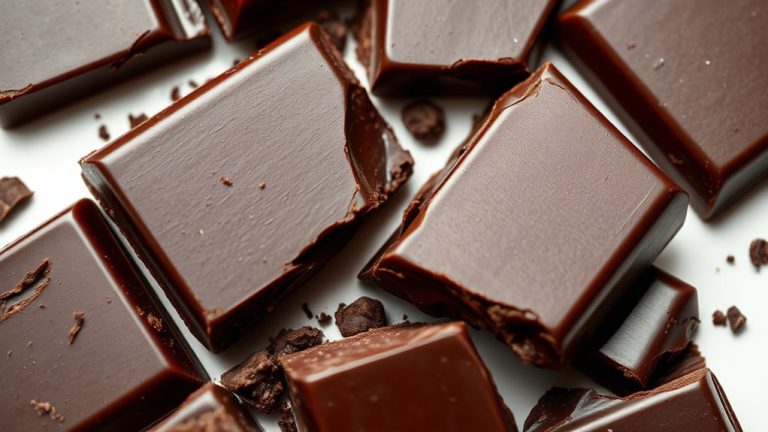
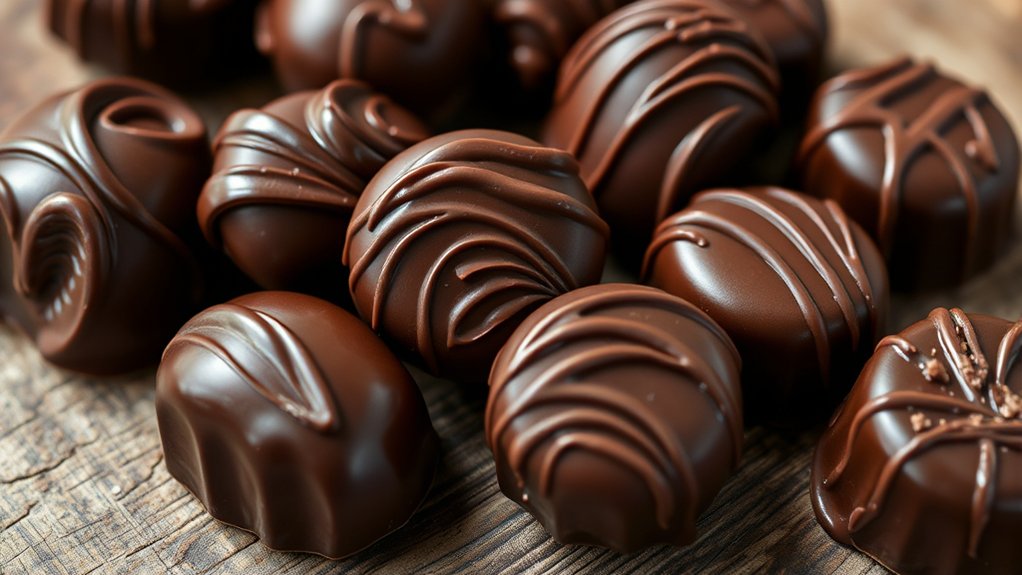
Understanding the quality of chocolate candy starts with recognizing its appearance, aroma, and texture. High-quality chocolates often have a glossy, smooth surface without cracks or bloom, which shows they’ve been properly tempered.
The aroma should be rich and inviting, hinting at the cocoa’s depth and any added ingredients. When you break or bite into the candy, it should feel firm but melt smoothly on your tongue, revealing a balanced texture.
To identify premium choices, consider these factors:
- Appearance: Look for a shiny finish and uniform shape, especially in artisanal varieties.
- Aroma: Smell the chocolate; a complex, cocoa-forward scent signals quality.
- Flavor Balance: Pay attention to how well the flavors complement each other, especially in chocolates designed for sophisticated pairing.
Which Chocolate Candies Are Best for Gifting or Snacking?
Ever wonder which chocolate candies are perfect for gifting or enjoying as a snack? The answer often depends on presentation and cultural chocolate traditions.
When choosing a gift, go for chocolates with elegant packaging like sleek boxes or beautifully wrapped bars. They convey thoughtfulness and quality.
For snacking, convenience and flavor variety matter most. Look for individually wrapped pieces or resealable bags.
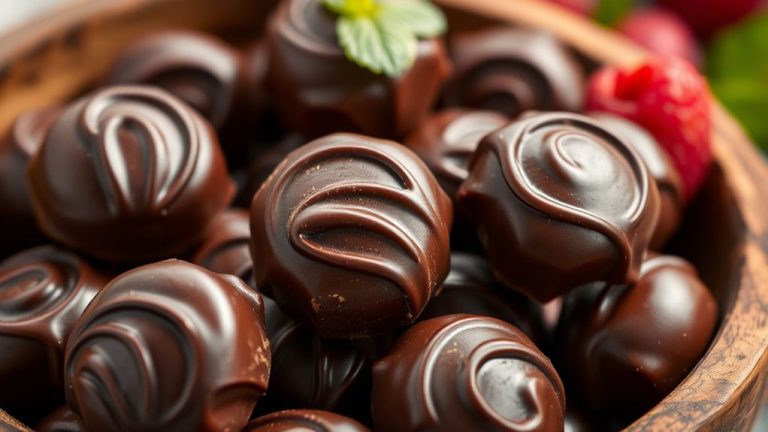
Consider popular options like truffles, pralines, or assorted chocolates that appeal to different tastes.
Cultural chocolate traditions influence what’s considered a special gift. For example, European chocolates often emphasize artisanal craftsmanship.
Asian confections might feature unique flavor combinations. Ultimately, the best choice balances aesthetic appeal, packaging, and cultural significance.
Whether you’re gifting or snacking, selecting chocolates that reflect tradition and presentation makes your experience more meaningful and enjoyable.
Tips for Choosing the Right Chocolate Candy for Any Occasion
Choosing the right chocolate candy for any occasion starts with thinking about what the recipient prefers and the vibe of the event. Do you want something classic or a bit more adventurous?
To help you decide, here are some handy tips. First, match the type of chocolate to the occasion—dark chocolates work well for more sophisticated events, while milk chocolates are perfect for casual get-togethers.
Next, explore pairing options like fruit, nuts, or caramel to enhance the flavor and match the mood or theme.
Finally, keep health in mind—look for chocolates with higher cocoa content for antioxidants or added ingredients like herbs or spices for a special twist.
Frequently Asked Questions
How Is Chocolate Candy Different From Other Confections?
Chocolate candy differs from other confections through its unique flavor profiles and texture variations. You’ll notice the rich, creamy taste of cocoa, often combined with sweeteners or fillings.
Its smooth, melt-in-your-mouth texture contrasts with chewy, crunchy, or taffy-like confections. This mix of flavors and textures makes chocolate candy stand out.
It offers a luxurious experience that’s both indulgent and satisfying, especially when compared to other sweets.
What Are Common Allergen Concerns in Chocolate Candies?
Imagine a box of chocolates as a treasure chest, hiding hidden dangers. You should watch for nut allergies and dairy sensitivities, as many chocolates contain nuts or milk ingredients.
These common allergens can pose serious health risks. Always read labels carefully because cross-contamination can happen.
How Long Does Chocolate Candy Typically Last?
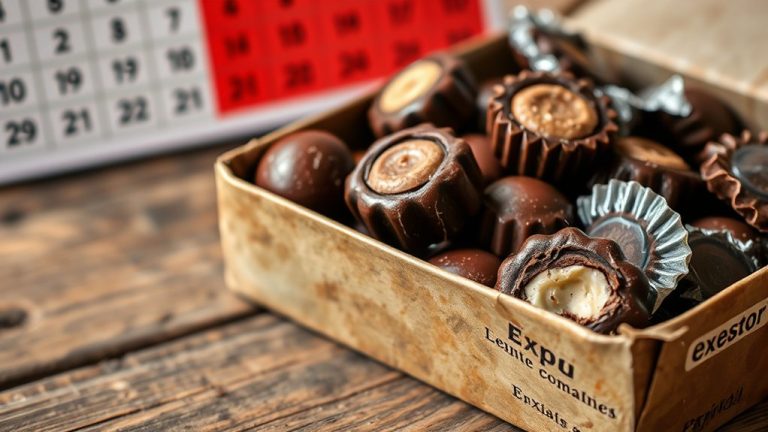
Chocolate candy typically lasts between six months to a year if stored properly. To get the most out of its shelf life, keep it in a cool, dry place away from direct sunlight.
Proper storage methods like airtight containers or wrapping help prevent spoilage and keep it fresh. Always check for signs of spoilage, like a waxy look or off smell, before eating, especially if it’s been stored for a while.
Can Chocolate Candy Be Made Vegan or Gluten-Free?
Yes, you can make chocolate candy vegan or gluten-free. Many companies now produce vegan chocolates using plant-based alternatives like coconut or almond milk, giving you rich, creamy vegan options.
For gluten-free confections, manufacturers often use gluten-free ingredients and avoid cross-contamination. This makes these treats safe for those with gluten sensitivities.
What Are the Environmental Impacts of Chocolate Production?
You should know that chocolate production impacts the environment through deforestation, water use, and greenhouse gas emissions. Sustainable farming practices help reduce these effects by preserving ecosystems and conserving resources.
Opting for eco-friendly packaging minimizes waste and pollution. By choosing brands committed to sustainability, you support environmentally responsible methods, making your enjoyment of chocolate more eco-conscious.
Your choices can promote better practices and lessen the industry’s overall environmental footprint.
Conclusion
Now that you’ve uncovered the sweet symphony behind chocolate candy, you’re ready to explore its rich, flavorful world with confidence. Like a connoisseur savoring each note, you can tell quality from fleeting sweetness, choosing treats that truly delight your palate.
Whether you’re gifting or indulging yourself, think of chocolate candy as a melody. It’s a harmonious blend of history, technique, and passion waiting for you to enjoy. So, go ahead—let your taste buds lead the way in discovering the best chocolate candy out there.