Understanding Candy Cookie and Chocolate: A Quick Guide
Are you tired of feeling overwhelmed by the endless options when it comes to candies, cookies, and chocolates? You’re not alone—many people struggle to find their favorites or understand what makes each treat special.
Candy, cookies, and chocolate each have unique origins, flavors, and textures that make them favorites worldwide. You’ll find that candies range from smooth bars to chewy gummies, while cookies offer varieties like soft or crunchy treats, often personalized with nuts or spices.
Chocolate varies from rich dark to creamy milk and sweet white, each with distinct production methods. To uncover how these confections are crafted and enjoyed, you’ll learn more about their qualities, types, and tasty pairings along the way.
Key Takeaways
- Candy, cookies, and chocolate have rich historical origins, cultural significance, and diverse traditional uses worldwide.
- They vary in ingredients, production techniques, textures, and flavor profiles, offering lots of options for customization.
- Quality control helps ensure consistency, safety, and high standards in how they’re made and presented.
- The textures and flavors of these sweets shape our sensory experiences and help tell them apart.
- Popular treats are often used for gifting, pairing, and decorating, making celebrations more special and inspiring culinary creativity.
What Are Candy, Cookies, and Chocolate? A Quick Overview
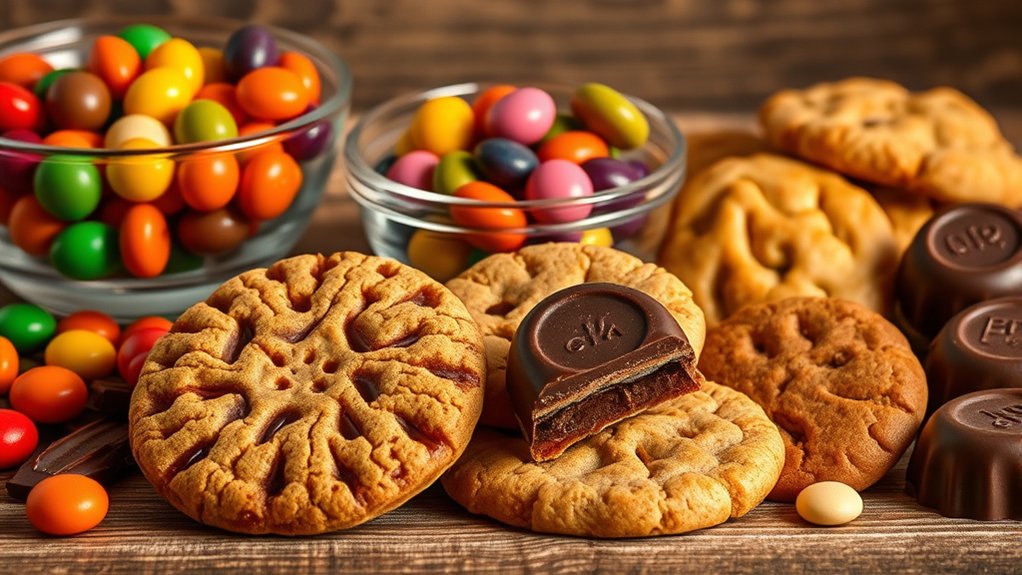
Have you ever wondered what exactly sets candy, cookies, and chocolate apart? Their histories tell some pretty interesting stories.
Candy has been around for thousands of years. Ancient civilizations like the Egyptians and Chinese made early sweets from honey and fruit.
Cookies started in Persia around the 7th century. They were tiny baked treats used to test oven temperatures and quickly became popular across Europe.
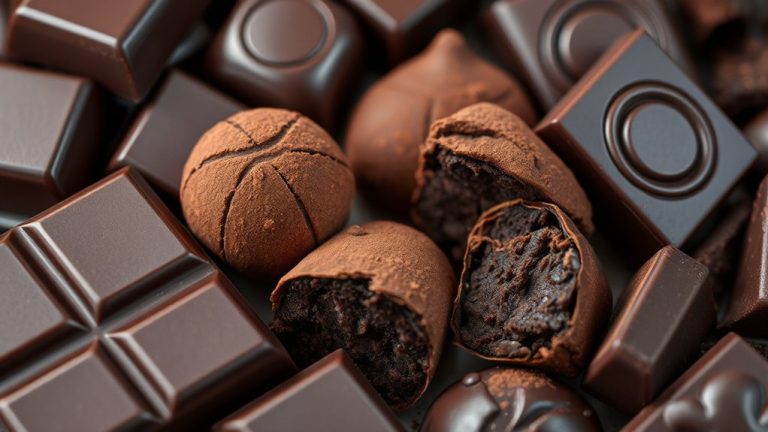
Chocolate’s story begins with the Mayans and Aztecs, who valued cacao beans as currency and divine offerings. As it spread through Europe, it became a luxury item symbolizing wealth and celebration.
Each of these treats holds cultural significance. Candy often marks festivities, cookies are comfort foods, and chocolate is linked to love and indulgence.
Their origins and meanings shape how we enjoy them today. They’re more than just sweets—they reflect history and culture.
How Are Candy, Cookies, and Chocolate Made? An Inside Look
When you’re making candy, cookies, and chocolate, it all starts with choosing the best ingredients to ensure everything tastes great and is of high quality. You might see different techniques in action, like mixing everything together, heating it up, or shaping it into the right form—depending on what kind of treat it is. And of course, there are strict quality control checks along the way to make sure everything stays consistent and safe for you to enjoy.
Ingredient Selection Process
Ever wondered how the key ingredients for candy, cookies, and chocolate are chosen? The ingredient selection process starts with careful sourcing to guarantee quality and consistency. Manufacturers focus on getting ingredients from trusted suppliers to ensure they’re fresh and flavorful.
During selection, flavor enhancement plays a big role. They pick ingredients that boost taste without overpowering. For example, high-quality cocoa beans, premium butter, and natural sweeteners are carefully chosen to get the right balance.
Sometimes, additives or flavorings are added to improve or complement the natural flavors. This meticulous process makes sure each product meets quality standards and tastes just right.
In the end, thoughtful ingredient sourcing combined with flavor techniques creates the foundation of delicious candies, cookies, and chocolates.
Production Techniques Used
The production of candy, cookies, and chocolate involves a series of precise techniques that transform raw ingredients into delicious treats. First, flavor infusion occurs, where flavors are added during mixing or cooling to guarantee even distribution.
Second, controlled heating and cooling help improve texture, creating the perfect consistency. Third, conching and refining in chocolate production refine smoothness and flavor complexity.
Fourth, shaping and molding techniques give treats their final form, whether by hand or machines. These steps require careful timing and temperature control to achieve the desired result.
Each process guarantees the right texture and flavor profile, making your favorite sweets irresistibly delicious.
Quality Control Measures
After the production techniques are complete, rigorous quality control measures step in to guarantee every candy, cookie, and chocolate piece meets high standards. You’ll inspect the products for consistency in appearance, texture, and flavor, making sure they match the intended packaging design.
Automated machines and manual checks identify any defects or deviations. Customer feedback plays a vital role, helping manufacturers address issues and improve quality.
Packaging design isn’t just about looks; it also guarantees product safety and freshness, so you can trust what you’re buying. Any products that don’t meet strict quality criteria are rejected or reworked.
These measures ensure that only top-quality treats reach your hands, maintaining brand reputation and satisfying your expectations for taste and presentation.
What Makes Each Confection Unique in Texture and Flavor?
You’ll see that each confection has its own unique texture. For example, cookies tend to be chewy and slightly crumbly, giving you that satisfying bite. Chocolates, on the other hand, melt smoothly in your mouth, creating a rich and velvety feel. It’s pretty amazing how different textures can totally change how you experience a treat.
And when it comes to flavor, there’s a whole world of variety. Candies are usually bursting with sweetness, making them super fun to enjoy. Chocolates often have deeper, more complex flavors—think hints of caramel, nuts, or even fruit—that make each bite more interesting. Knowing these little differences really helps you appreciate what makes each confection special and worth savoring.
Texture Variations Explained
Each type of candy—cookie, candy, or chocolate—offers a unique sensory experience through its texture. This variety comes from different texture innovations that make each bite memorable.
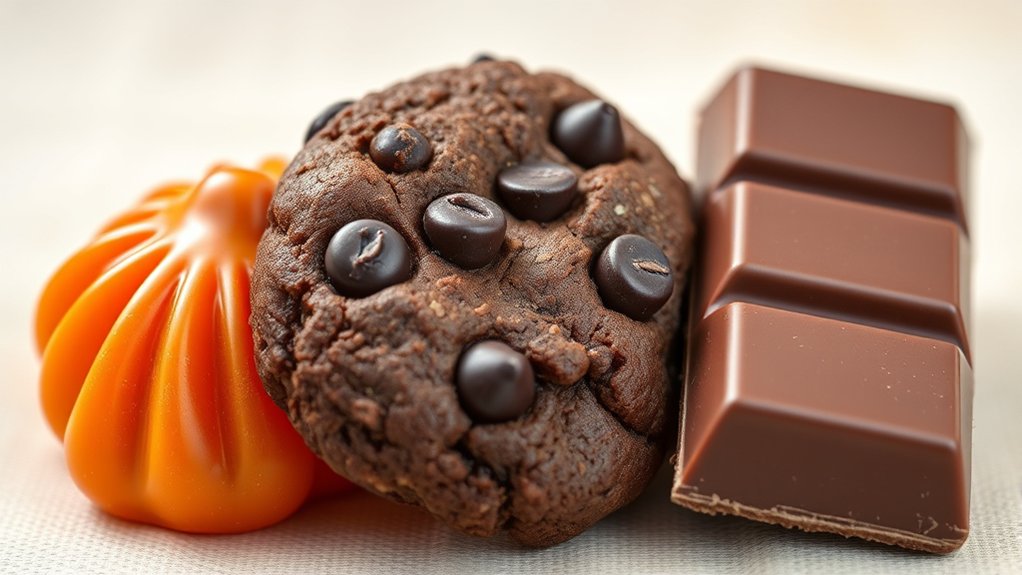
Cookies often have crisp edges with chewy centers, creating a nice contrast that boosts their flavor. Candies can be smooth and melt in your mouth or be chewy or gummy, giving you lots of options.
Chocolates usually have a creamy, velvety feel, sometimes with added crunches from nuts or crisped rice. These texture differences influence how flavors unfold, making every treat more engaging.
Recognizing these texture variations helps you appreciate how innovative textures shape your tasting experience and enhance flavor combinations.
Flavor Profiles Differentiated
The distinct textures of cookies, candies, and chocolates play a big role in shaping their unique flavor profiles. Each treat offers specific flavor combos that make them stand out—rich, creamy chocolates often have deep, bittersweet notes, while cookies bring buttery, caramelized flavors.
Candies tend to highlight bright, sweet, or tangy tastes, often with fruity or nutty accents. Cultural influences also shape these profiles; for example, European chocolates may emphasize cocoa intensity, while Asian candies might incorporate ingredients like sesame or tea.
All these factors come together to create sensory experiences that are both familiar and unique. By understanding how texture interacts with flavor, you can better appreciate what makes each confection special in its own way.
What Are the Most Popular Types of Candy?
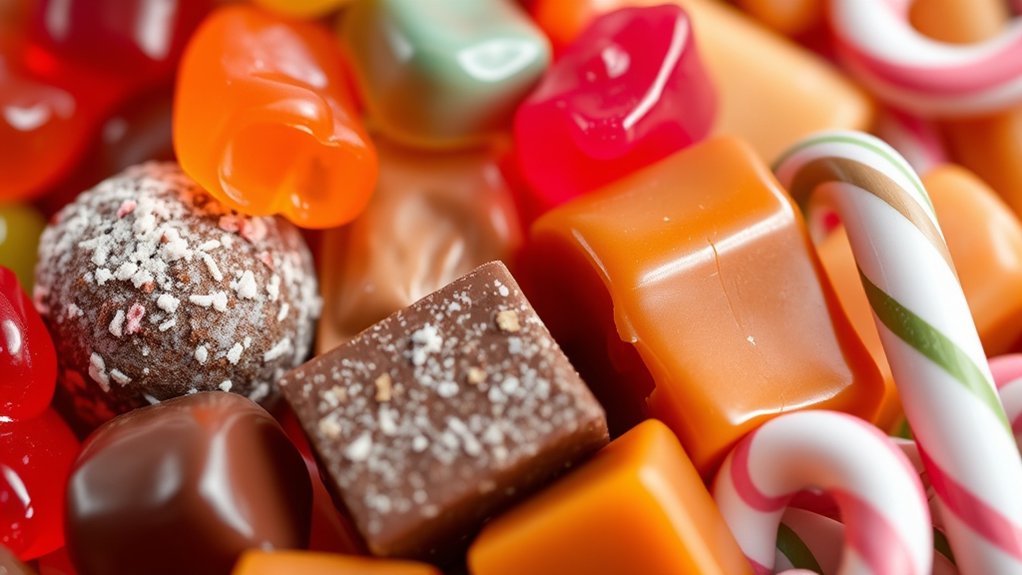
Have you ever wondered which candies top the charts in popularity? Some treats have become staples in households worldwide. Here’s a quick rundown of the most loved candies:
- Chocolate bars – Classic favorites like Snickers and Reese’s are go-to snacks, often used in candy art and cookie decorating for added flair.
- Gummy candies – Chewy and colorful, gummies like worms and bears are perfect for playful treats and decorating baked goods.
- Lollipops – Bright and versatile, lollipops are popular for their portability and can be used as decorative elements in candy art projects.
- Caramel candies – Rich and smooth, caramel pieces are favorites for filling cookies or creating layered, sweet designs.
These candies are highly popular because of their flavor versatility and visual appeal, making them perfect for creative snack-making and decorating.
How Do Cookies Differ From Other Sweets? Baking Tips and Variations
Cookies stand out from other sweets because they combine a unique blend of ingredients and textures that create a satisfying bite. When you’re into cookie baking, you can experiment with various sweet variations, from classic chocolate chip to oatmeal raisin or peanut butter.
Cookies tend to be more personal and customizable, allowing you to adjust sweetness, add nuts, or incorporate dried fruits. Unlike candies or chocolates, cookies often involve a baking process that transforms raw dough into a crispy, chewy treat.
To get the best results, pay attention to baking times and ingredient ratios, as they influence texture and flavor. For different sweet variations, try swapping ingredients or adding spices like cinnamon or vanilla.
Understanding how different combinations impact cookie texture helps you craft perfect batches every time. Whether you prefer soft or crunch, cookies offer flexibility that other sweets may not provide in the same way.
What Are Different Types of Chocolate and How Are They Classified?
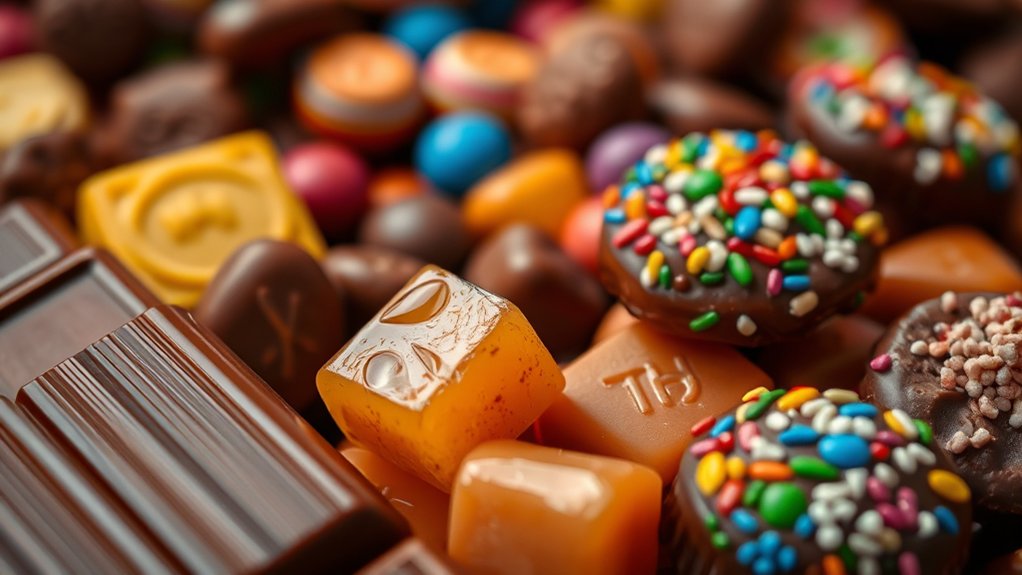
You’ll notice that chocolates come in a bunch of different types, each with its own unique flavors and textures. They’re mainly classified based on how much cocoa they contain, which really affects how they taste and look. Knowing these categories can help you pick the perfect chocolate whether you’re baking or just snacking.
For example, you’ll find dark chocolates, which have a high cocoa content and a rich, intense flavor. Then there’s milk chocolate, which is sweeter and creamier because it has added milk solids. White chocolate is a bit different—it doesn’t have cocoa solids at all, just cocoa butter, sugar, and milk, giving it that smooth, sweet taste. Understanding these differences makes it easier to choose the right type for whatever you’re making or craving!
Types of Chocolate Varieties
What are the main types of chocolate, and how are they classified? The classification mainly depends on the chocolate bean, cocoa content, and processing methods. Here are the main varieties:
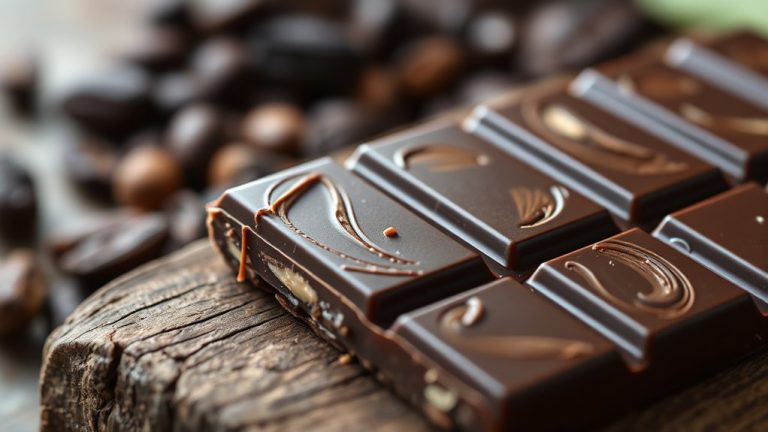
- Dark Chocolate: Made from cocoa beans with little to no milk, it’s rich in cocoa solids and offers a deep flavor.
- Milk Chocolate: Contains milk or milk solids, making it creamier and sweeter.
- White Chocolate: Lacks cocoa solids and is mostly made of cocoa butter, sugar, and milk.
- Candy Coating: Often used for decoration or candy, it’s softer and less intense than regular chocolate, made from cocoa butter, sugar, and flavorings.
These varieties differ in flavor, texture, and how they’re used, all depending on the unique properties of the chocolate bean.
Classification Based on Content
Chocolate is classified mainly by its cocoa content, which affects its flavor, texture, and look. This helps you see how different chocolates are used in candy art and cookie packaging.
For example, dark chocolate has a high cocoa percentage, giving it a rich, intense flavor. Milk chocolate has more milk solids and tastes sweeter. White chocolate contains cocoa butter but no cocoa solids, making it unique.
Knowing these differences helps when you’re creating candies or decorating cookies. Dark and milk chocolates are often chosen for their depth, while white chocolate adds a creamy touch.
Understanding content-based classification makes it easier to pick the best chocolate. This way, you can improve your treats’ taste and presentation.
Which Confections Are Great for Gifting or Special Occasions?
When choosing confections for gifting or special occasions, it’s best to pick treats that look just as good as they taste. Eye-catching packaging can really make your gift stand out and leave a lasting impression.
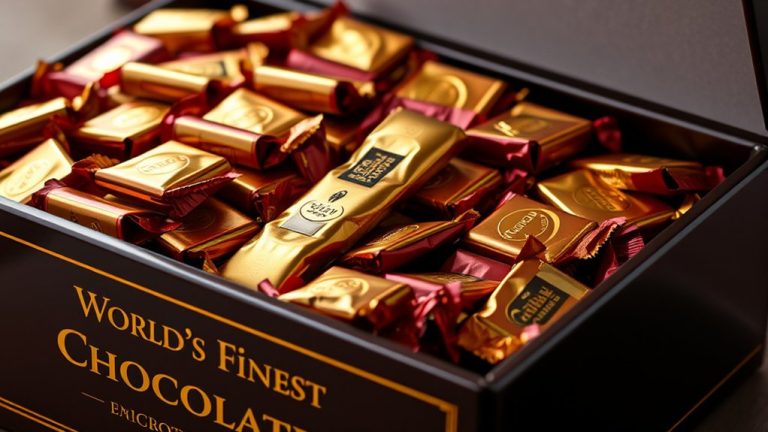
Some top choices include artisan chocolates with elegant wrappers or boxes that add a touch of luxury. Decorative cookies shaped for holidays or events, wrapped in clear cellophane and ribbons, are also a hit.
Assorted candy boxes with vibrant packaging offer variety and color, making them fun and festive. For a more sophisticated look, gourmet chocolates in sleek, minimalist packaging are perfect.
These options help create memorable gifts and show thoughtfulness. Focus on festive packaging to make your gift extra special and ensure the confections look as appealing as they are delicious. With these picks, you’ll impress your recipients and make any celebration more memorable.
How Can You Choose the Right Treat for Your Taste or Dietary Needs?
Choosing the right treat depends on understanding your taste preferences and dietary needs. Think about what flavors you enjoy—are you into rich chocolates, fruity candies, or buttery cookies?
Consider any dietary restrictions like allergies, gluten intolerance, or sugar limits. Your cultural background can also guide your choices, as some traditions favor honey or natural sweeteners over refined sugar.
Cultural confections often reflect specific ingredients and preparation methods, helping you find treats that match your preferences or dietary needs. For example, if you’re vegan, look for chocolates and candies made without animal products.
If you’re watching your sugar intake, opt for dark chocolate or naturally sweetened options. By understanding what you like and need, you can pick treats that satisfy your cravings while honoring your health and cultural traditions.
What Are the Best Ways to Enjoy and Pair These Sweets?
To truly enjoy and enrich the flavors of candy, cookie, and chocolate treats, pairing them thoughtfully with complementary foods and beverages can make a big difference. These sweet pairings enhance flavor combinations and elevate your tasting experience. Here are some ideas:
- Fruit and nuts: Combining chocolates or cookies with fresh fruit or nuts creates a delightful contrast of textures and flavors.
- Dairy: Enjoying chocolates with cheese or milk-based desserts amplifies richness and smoothness.
- Beverages: Pair chocolates and candies with coffee, tea, or wine to bring out nuanced flavor notes.
- Spiced foods: Spicy snacks or desserts like cinnamon cookies or chili chocolates add an exciting kick and deepen flavor complexity.
Experiment with these options to uncover your favorite sweet pairings. Making thoughtful flavor combinations can make each treat even more memorable.
How Should You Store Candy, Cookies, and Chocolate to Keep Them Fresh?
Proper storage is essential to keep your candy, cookies, and chocolate fresh and flavorful for as long as possible. Packaging innovation plays a key role in maintaining quality; airtight containers or resealable bags help prevent moisture and air exposure.
Proper storage preserves freshness and flavor through airtight packaging and careful placement.
Store chocolates in a cool, dark place since heat and light can cause melting or spoilage. Cookies are best kept in an airtight container at room temperature, but you can freeze them for longer storage to keep them fresh.
Seasonal changes also affect how you should store your treats. During warmer months, refrigerate chocolates to prevent melting, but remember to bring them back to room temperature before enjoying. Humidity levels matter too, as moisture can make candies sticky or moldy.
Proper labeling with dates is helpful so you know when to enjoy your treats at their best. By combining smart packaging and seasonal awareness, you can easily extend the shelf life and flavor of your sweets.
Frequently Asked Questions
Are There Health Benefits Associated With Eating Candy, Cookies, or Chocolate?
Eating candy, cookies, or chocolate offers limited health benefits because they usually don’t have many nutrients and are high in sugar.
While dark chocolate does have antioxidants and might help your heart, most sweets can lead to weight gain and cavities if you eat them too much.
You can enjoy these treats in moderation, but don’t count on them for health benefits.
Balancing your treats and eating them in moderation is the best way to keep health risks low while still enjoying your favorites.
How Do Seasonal or Holiday Treats Differ From Regular Confections?
Think of seasonal treats as a decorated cake—more than just flavor, they sparkle with festive packaging and holiday themes.
You notice differences in shapes, colors, and flavors that capture the spirit of the season. These confections often come wrapped in special packaging, making them feel more celebratory.
They’re crafted to evoke joy and nostalgia, setting them apart from regular confections with their unique, festive appeal that turns any occasion into a celebration.
Can You Make Homemade Versions of Popular Candies, Cookies, or Chocolates?
Yes, you can definitely make homemade versions of popular candies, cookies, or chocolates. It’s a fun way to recreate your favorites with a personal touch.
With homemade recipes, you can experiment with flavor variations and tweak ingredients to match your tastes. Whether it’s crafting chocolate truffles or baking cookies from scratch, the options are endless.
Making treats at home means you have control over quality and flavor. Plus, it’s a rewarding process that lets you get creative in the kitchen!
What Are Common Allergens Found in These Sweets?
You’ll find common allergens like nuts and gluten lurking in many sweets, turning a treat into a risky choice.
Imagine biting into a cookie and uncovering a hidden nut, or savoring chocolate and realizing it contains gluten.
Nut allergies are especially common, and gluten is often present in cookies and candies.
Always check labels carefully, especially if you or someone you’re serving has allergies, to avoid unexpected reactions.
How Do Storage Conditions Affect the Texture and Flavor Over Time?
Storage conditions really affect the texture and flavor of candies, cookies, and chocolates. Humidity is especially important; too much can make treats sticky or cause them to spoil faster.
On the other hand, low humidity helps keep their original texture intact. Storing sweets in airtight containers in a cool, dry place is key to preserving flavor and keeping them fresh longer.
Avoiding temperature fluctuations is also crucial. They can cause changes in texture and lead to flavor degradation over time.
Conclusion
Now that you understand the differences and similarities among candies, cookies, and chocolates, you can enjoy them more mindfully.
Did you know the global chocolate market is expected to reach $187 billion by 2025? That’s a huge number, showing just how popular chocolate really is.
Whether you’re indulging in a sweet treat or sharing it with loved ones, knowing about these confections can make every bite more delightful.
So go ahead, savor your favorites, and discover new ones with confidence. Understanding candy, cookies, and chocolates can make your sweet moments even more enjoyable.