
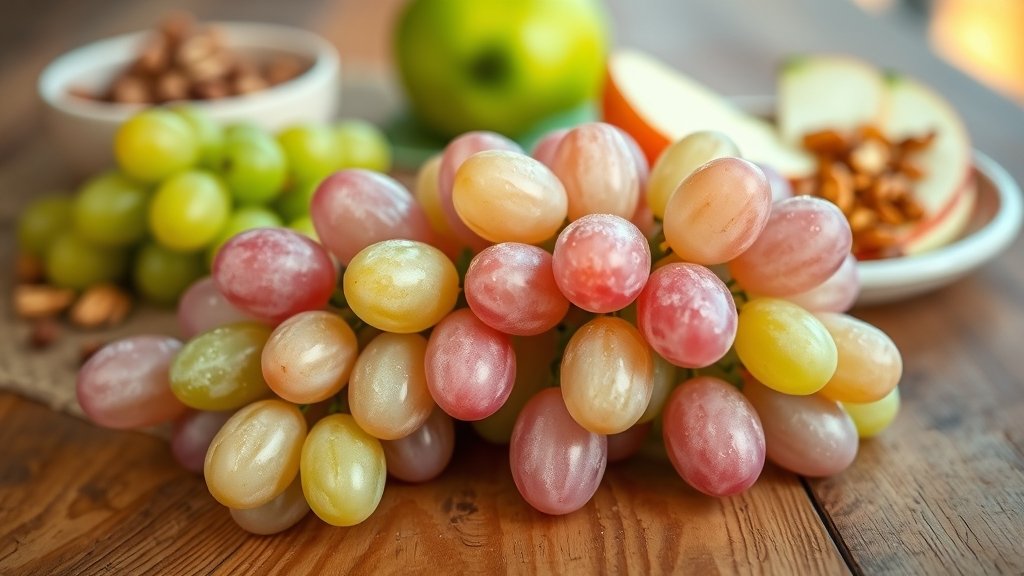
How Much Sugar Is in Cotton Candy Grapes?
Many of us love snacking on something sweet, but we’re often left wondering about the sugar content. If you’re trying to watch your sugar intake, cotton candy grapes might catch your eye. You’re not alone—many people struggle with balancing flavor and health.
Cotton candy grapes contain about 23 grams of sugar per cup, making them one of the sweetest grape varieties. This high sugar content is due to a natural genetic mutation that boosts sugar production during ripening.
While they taste just like cotton candy, it’s important to enjoy them in moderation, especially if you’re watching your sugar intake.
Stick with us to uncover more about their sweetness, health considerations, and smart ways to enjoy them responsibly.
Key Takeaways
- Cotton candy grapes contain approximately 23 grams of sugar per cup.
- Their high sugar content makes them one of the sweetest grape varieties.
- Sugar levels can vary depending on the grape variety and how ripe they are.
- They have a moderate glycemic index, which means they affect blood sugar levels gradually.
- Eating them in moderation and pairing with protein can help manage your sugar intake.
How Much Sugar Is in a Cotton Candy Grape?
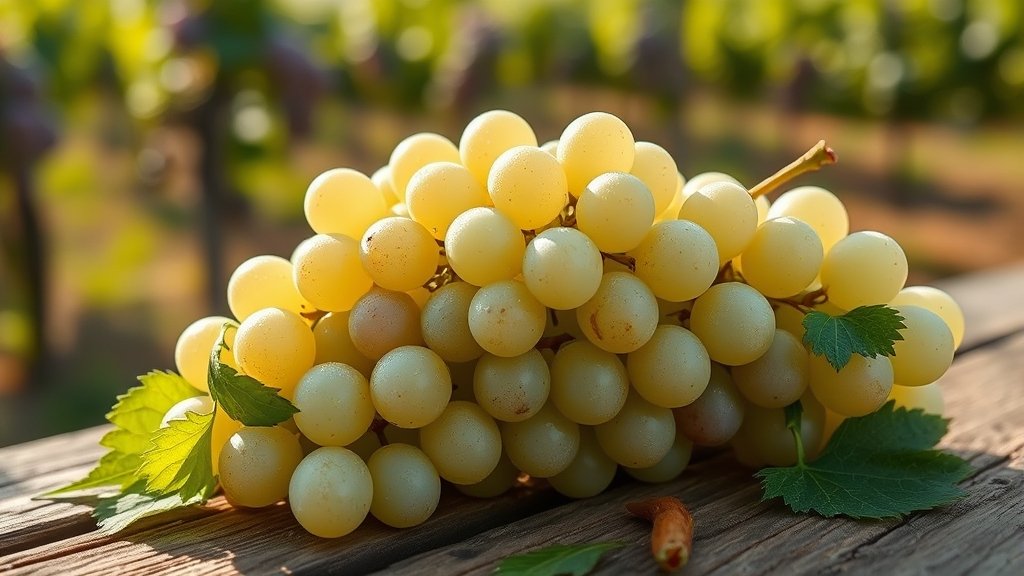
Have you ever wondered just how much sugar is packed into a single cotton candy grape? These unique grapes are known for their exceptional sweetness, thanks to their special varieties.
On average, a cotton candy grape contains about 23 grams of sugar per cup. That’s roughly the same amount you’d find in a candy bar, making them one of the sweetest grape varieties around.
A cotton candy grape packs about 23 grams of sugar per cup—sweet enough to rival a candy bar.
Their sugary taste comes from a natural process that concentrates sugars during growth, giving them a flavor reminiscent of cotton candy. The sugar content can vary slightly depending on the grape variety and ripeness, but overall, they pack a significant sugar punch.
This high sugar level is what makes cotton candy grapes so appealing, especially if you’re craving something sweet without artificial additives.
Why Do Cotton Candy Grapes Taste So Sweet?
The incredible sweetness of cotton candy grapes comes from a natural genetic mutation that makes them produce more sugar as they ripen. This change enhances their flavor, giving them that unique candy-like taste.
Their natural sweetness is what sets them apart from other grapes and makes them so appealing if you’re craving something sweet but healthy.
To help you picture their flavor, here’s a quick table:
| Aspect | Description | Impact on Taste |
|---|---|---|
| Sugar Levels | Higher than regular grapes | Rich, candy-like sweetness |
| Aroma | Fragrant, reminds you of cotton candy | Boosts overall sweetness |
| Texture | Juicy and tender | Melts in your mouth |
This mix of genetics and sugar content creates the irresistible, cotton candy flavor that keeps you coming back for more.
How Do Cotton Candy Grapes Compare to Other Fruits in Sugar Content?
Many fruits pack a sweet punch, but cotton candy grapes stand out for their high sugar content. When you compare fruit to fruit, these grapes usually have more natural sweetness than typical varieties like green grapes or apples.
For example, a cup of cotton candy grapes can contain around 23 grams of sugar, which is higher than most other fruits. Berries like strawberries or blueberries usually have less sugar, making them a better choice if you’re watching your intake.
Even common fruits like bananas and oranges have less sugar per serving. This comparison shows how cotton candy grapes give a burst of natural sweetness without added sugars.
Their high sugar content makes them especially appealing for a quick, sweet snack. But it also means you should enjoy them in moderation if you’re concerned about sugar levels.
How to Read Fruit Nutrition Labels to Understand Sugar Levels
When you’re checking out fruit nutrition labels, the first thing to do is look at the serving size. This helps you understand what portion you’re actually eating. It’s easy to get caught up in the numbers, but knowing the size gives you the right context.
Next, take a look at the total sugars listed. This tells you how much sugar is in the fruit, including both naturally occurring sugars and any added sugars. It’s helpful to see the total so you get an overall picture of how sweet the fruit really is.
Finally, try to distinguish between the natural sugars and any added sugars. Natural sugars come from the fruit itself, while added sugars are added during processing. Knowing the difference can help you make smarter choices about how much sugar you’re consuming.
Recognize Serving Sizes
Understanding serving sizes on fruit nutrition labels is key to accurately checking sugar content. The serving size shows how much fruit the nutrition info covers, helping you control portions and avoid overeating.
Keep in mind that the serving size might be different from what you usually eat. Also, see if the label lists multiple servings per container.
Use the serving size to figure out how much sugar you’re actually consuming. And adjust your portion control based on that to stay on track with your health goals.
Check Total Sugars
Ever wonder how to accurately gauge the sugar content in your fruit? Checking the nutrition label is your best tool. Look for the “Total Sugars” value, which shows all naturally occurring and added sugars in a serving.
This number helps you understand the fruit’s sugar content at a glance, so you can make informed choices. Remember, natural sugars in fruits come with nutritional benefits like fiber, vitamins, and antioxidants, which support your health.
Comparing the total sugars across different fruits lets you select options that align with your dietary goals. Keep in mind, higher sugar content doesn’t automatically mean less healthy, but knowing the amount helps you balance enjoyment and nutritional value.
Reading labels empowers you to enjoy fruit while managing your sugar intake effectively.
Differentiate Added Sugar
To truly grasp how much added sugar is in your fruit, it’s essential to read the nutrition label carefully. Look beyond total sugars and focus on the ingredients list and the “Added Sugars” line.
Here’s what to remember: Natural sweetness comes from fruit itself, so added sugars are extra. Ingredients like high fructose corn syrup or cane sugar indicate added sugars.
Some labels list sugar alternatives like stevia or erythritol, which don’t add to sugar content. Even fruits labeled as “no added sugar” may contain natural sugars, so compare the total sugar amount.
Understanding these details helps you avoid excess added sugars and choose healthier options, especially if you’re seeking natural sweetness without unnecessary sugar.
Are Cotton Candy Grapes Safe for a Low-Sugar or Diabetic Diet?
Are cotton candy grapes a good choice if you’re following a low-sugar or diabetic diet? While they contain less sugar than many candies and desserts, they still have natural sugars that can impact blood sugar levels.
Cotton candy grapes have natural sugars that can affect blood sugar, so consume in moderation if you’re managing diabetes.
If you’re managing diabetes or aiming for low-sugar intake, these grapes can fit into your diet in moderation. They offer a naturally sweet flavor, making them a satisfying alternative to less healthy options like candies or baked goods.
To make them even safer, consider pairing them with diabetic-friendly snacks that balance your blood sugar. Using sugar substitutes in recipes or snacking with protein-rich foods can help control glucose spikes.
Remember, portion control is key. Eating smaller servings of cotton candy grapes allows you to enjoy their flavor without overdoing sugar intake.
Ultimately, these grapes can be part of your diet if consumed thoughtfully, but it’s best to consult your healthcare provider for personalized advice.
Tips for Enjoying Cotton Candy Grapes Without Excess Sugar
Enjoying cotton candy grapes without consuming too much sugar is all about portion control and mindful eating. To keep your snacking healthy, try these tips:
- Limit your servings to a small handful, about 1/2 cup, so you can enjoy their sweetness without going overboard.
- Pair grapes with protein or healthy fats, like nuts or cheese, for a more balanced snack.
- Incorporate them into salads or yogurt bowls to mix flavors and take the focus off the sugar.
- Practice slow eating and savor each bite to fully enjoy the taste and avoid overeating.
How Do Cotton Candy Grapes Affect Blood Sugar Levels?
Cotton candy grapes contain natural sugars that can impact blood sugar levels, especially if you have diabetes or insulin sensitivity. Because of their sweetness, they can cause a quick rise in your blood sugar.
The glycemic index (GI) measures how fast foods raise blood sugar, and cotton candy grapes tend to have a moderate GI. This means they can increase blood sugar levels but generally not as rapidly as high-GI foods like candies or processed snacks.
If you’re monitoring your blood sugar, it’s important to enjoy these grapes in moderation. Pairing them with protein or healthy fats can help slow sugar absorption and stabilize blood sugar levels.
Keep in mind that everyone’s response varies, so paying attention to how your body reacts is essential. While cotton candy grapes are delicious, they still contain sugars that influence blood sugar, so moderation and mindful eating are key.
Incorporating Cotton Candy Grapes Into a Balanced, Low-Sugar Diet
Incorporating cotton candy grapes into a balanced, low-sugar diet requires mindful planning to ensure they fit with your overall nutritional goals. These grapes are a tasty, healthy snack, but moderation is key.
To include them effectively, limit your serving sizes to keep sugar intake low. Pair grapes with protein or healthy fats to help stabilize blood sugar levels.
You can also use them as a natural sweetener in salads or yogurt instead of processed snacks. Practice mindful eating by savoring each bite, which helps you recognize when you’re full and prevents overeating.
Frequently Asked Questions
Are Cotton Candy Grapes Genetically Modified?
Cotton candy grapes aren’t genetically modified. They’re developed through selective breeding, which is a type of genetic engineering that combines specific grape varieties to improve their flavor.
This process takes years of careful crossing to get that sweet, cotton candy-like taste without changing their DNA with modern genetic modification techniques. So, you can enjoy their unique flavor confidently, knowing they’re naturally bred rather than genetically engineered.
How Long Do Cotton Candy Grapes Stay Fresh?
Cotton candy grapes usually stay fresh for about one to two weeks if you store them properly.
To keep them at their best, put them in a breathable bag or container in the crisper drawer of your fridge.
Be sure to check for any signs of spoilage like mold or a slimy texture, and throw away any grapes that look off.
Following these tips will help you enjoy their sweet flavor for as long as possible.
Can Children Eat Cotton Candy Grapes Safely?
You bet kids can enjoy cotton candy grapes safely, but moderation is key. These grapes have a lot of sugar, so their sugar content is higher than regular grapes, which could cause a spike in blood sugar if eaten too much.
Despite that, they offer health benefits like vitamins and antioxidants. Just keep an eye on portion sizes to prevent sugar overload, and they’ll be a sweet treat your little ones can enjoy responsibly.
What Is the Best Way to Store Cotton Candy Grapes?
To store cotton candy grapes effectively, keep them in the refrigerator’s crisper drawer. Use breathable containers or perforated bags to help them stay fresh.
Check for ripeness by looking for grapes that are firm yet plump and have a consistent color. Avoid washing them before storage; wash only when you’re ready to eat.
Proper storage helps preserve their sweetness, texture, and flavor longer. This way, you can enjoy them at their best.
Do Cotton Candy Grapes Contain Artificial Flavoring?
No, cotton candy grapes don’t contain artificial flavoring. Their flavor profile naturally mimics cotton candy, thanks to selective breeding.
You get the sweet, fun taste without added chemicals, making them a healthier treat. These grapes offer health benefits like antioxidants and hydration.
While they taste like a treat, you can enjoy them without worrying about artificial ingredients. It’s a win-win situation.
Conclusion
Picture biting into a crisp, juicy cotton candy grape, its sweet aroma swirling around you like spun sugar. While it satisfies your craving for sweetness, remember it’s a natural treat with sugar content that’s gentle on your blood sugar.
Cotton candy grapes contain about 15 grams of sugar per cup, which is lower than many other sweet snacks. This makes them a great choice if you’re watching your sugar intake but still want something sweet.
By savoring these grapes mindfully, you can enjoy their luscious flavor without overdoing it. They add a burst of natural sweetness to your balanced, low-sugar lifestyle—like a tiny, delicious reminder that health can still be delightfully sweet.