What Makes Cotton Candy Halal or Haram?
Are you craving cotton candy but worried about whether it’s halal? You’re not alone—many people struggle with determining if their favorite sweet treats meet their dietary guidelines.
Navigating food labels and ingredients can be confusing, especially with treats like cotton candy that often contain questionable additives.
Cotton candy is halal if made with permitted ingredients and produced using proper methods. You should check that the sugar comes from halal sources and that flavorings and colors are free from alcohol or animal-derived additives.
Avoid products with questionable additives or non-halal certification. Cross-contamination in production can also affect its status.
To guarantee you’re safe, verify labels and certifications. Keep exploring to uncover more tips on how to enjoy cotton candy confidently within halal guidelines.
Key Takeaways
- Halal cotton candy must use sugar and flavorings that are free from alcohol or animal-derived ingredients.
- Certification labels from trusted halal authorities verify compliance and help prevent cross-contamination.
- Natural or synthetic food colors should not contain any prohibited animal or alcohol-based dyes.
- Production equipment needs to be thoroughly cleaned to avoid contamination with haram substances.
- Ingredient transparency and the reputation of the manufacturer are key to ensuring the product’s halal status.
What’s in Cotton Candy and Is It Halal?
Cotton candy is mainly made from sugar, which is naturally halal. Its origins go back to the 19th century when it was first created by melting sugar and spinning it into delicate, airy strands. Over time, it became popular worldwide, especially at fairs and celebrations, symbolizing joy and nostalgia.
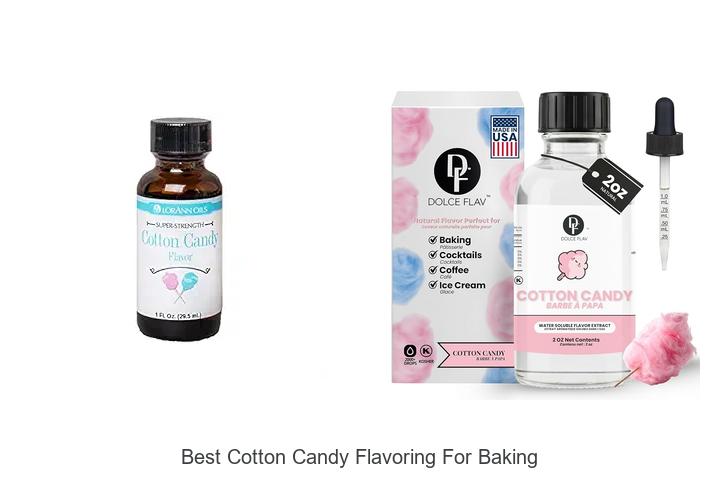
When thinking about whether cotton candy is halal, you need to look beyond just sugar. The ingredients usually include flavorings and colorings, which can vary in their sources. Most basic cotton candy relies on sugar and artificial or natural flavorings, many of which are halal-certified.
However, some flavorings or additives might contain alcohol or animal-derived ingredients. This can raise questions about whether they’re permissible under Islamic law. So, understanding the specific ingredients used is key to making sure it aligns with halal standards.
Some flavorings may contain alcohol or animal ingredients, so check ingredients to ensure cotton candy is halal.
Knowing the cultural roots of cotton candy helps us appreciate its universal appeal, but verifying the ingredients is essential to ensure it’s halal.
Are the Ingredients, Like Sugar and Flavors, Halal?
Are the ingredients in cotton candy, like sugar and flavors, truly halal? The answer depends on how they’re sourced and processed.
Sugar usually comes from sugarcane or sugar beets, which are generally halal. But it’s important to check that no non-halal agents, like certain bone char filters, were used during processing.
When it comes to flavors, authenticity matters. Some flavor extracts might contain alcohol or ingredients from prohibited sources, making the cotton candy haram.
Halal-certified flavorings ensure they’re free from alcohol and forbidden additives. Always look at labels or ask vendors about their ingredient sources.
If the sugar is processed in a halal-friendly way and the flavors are authentic and free from alcohol or haram substances, then the cotton candy ingredients are halal.
Being careful about ingredient sources helps you enjoy cotton candy with confidence in its halal status.
Do Food Colors and Additives Affect Its Halal Status?
Food colors and additives can really impact whether cotton candy is considered halal or haram, especially depending on where these ingredients come from. For example, synthetic dyes are usually made from chemicals, and some people might worry about their halal status. On the other hand, natural dyes come from plant or animal sources, which can make things a bit clearer.
Synthetic vs. Natural Dyes
When deciding if synthetic or natural dyes affect the halal status of cotton candy, it’s helpful to understand how these colors are made. Synthetic dyes come from artificial chemicals, which can raise questions about their compliance with halal standards.
Natural dyes come from plants or minerals, making them seem safer and more appealing to health-conscious buyers. They’re often seen as more natural and pure.
Here are some key points to consider:
- Synthetic colors can be very vibrant, which enhances the look of cotton candy.
- Natural dyes are usually less intense but are perceived as safer.
- Many consumers prefer natural options because they are healthier and feel more natural.
In the end, knowing where the dyes come from and following dye regulations helps determine if your cotton candy is halal.
Additive Ingredient Sources
The sources of additive ingredients are key in determining if cotton candy is halal. Many additives come from different origins that may or may not meet Islamic dietary laws. Knowing where the ingredients come from helps you decide if colorants and flavors are permissible.
Some additives are derived from plants or minerals, which are generally considered halal. Others may come from animal products or be processed using non-halal substances. It’s important to check these sources to ensure compliance.
Analyzing colorants is also crucial to see if dyes are synthetic, natural, or from questionable origins. Transparency about where additives come from helps you make an informed choice about the product’s halal status.
Verifying the ingredient sources of all additives ensures they meet dietary laws. This reassures you of the product’s halal integrity and helps you trust what you’re consuming.
How Is Cotton Candy Made, and Does That Impact Its Halal Status?
Cotton candy is made by heating and melting sugar until it becomes a liquid, then spinning it rapidly in a machine to create thin, airy strands. This process, called cotton candy production, mainly relies on pure sugar and mechanical force.
The main concern for halal status is about the ingredients and equipment used during production. The sugar should be free from any non-halal additives or impurities.
It’s also important that the machinery is thoroughly cleaned to prevent cross-contamination with non-halal substances. The process should avoid using alcohol-based flavorings or colorings unless verified halal.
Getting halal certification depends on following these standards. If the cotton candy is made with halal-certified ingredients and equipment, it can be considered halal. So, understanding how it’s made directly impacts its halal status.
Could Cotton Candy Contain Non-Halal Ingredients, Like Gelatin?
Could cotton candy contain non-halal ingredients like gelatin? Yes, it’s possible if manufacturers use gelatin from non-halal sources.
Some cotton candy may include gelatin alternatives or flavoring sources that aren’t halal-certified. This could be a concern for Muslim consumers who need to avoid non-halal ingredients.
To ensure safety, look for products that specify halal ingredients or use plant-based options. Choosing cotton candy with clear halal labeling helps avoid non-halal gelatin.
Here’s a quick comparison:
| Ingredient Type | Halal Source | Non-Halal Source |
|---|---|---|
| Gelatin | Plant-based or halal-certified | Animal-derived, non-halal |
| Flavoring sources | Natural, halal-certified | Artificial, questionable |
| Additives | Halal-approved | Non-halal, synthetic |
Always verify ingredient lists to confirm the use of halal gelatin alternatives and safe flavoring sources.
How to Identify Halal-Certified Cotton Candy
When you’re picking out halal-certified cotton candy, the first thing to do is look for clear certification labels and symbols on the packaging. These marks are your quick way to know that the product meets halal standards. It’s also a good idea to read the ingredient list carefully—make sure everything is transparent and that you understand what’s inside.
Don’t forget to check where any additives or flavorings come from. Knowing their sources can give you extra peace of mind about the product’s halal status. And finally, take a moment to consider the manufacturer’s reputation. If they’re known for adhering to halal practices and maintaining quality, that’s a strong sign you’re making an authentic choice.
Certification Labels and Symbols
How can you quickly tell if cotton candy is halal-certified? Just look for clear certification symbols and halal labels on the packaging. These are usually placed front and center to reassure you.
Check for recognized halal logos from trusted certifying bodies. Also, look for labels that say “Halal” in Arabic or English.
Sometimes, you’ll see quality seals indicating the product has gone through strict halal verification. These signs make it easy to trust that the cotton candy meets halal standards.
Certification symbols are the fastest way to verify authenticity. They help you feel confident about your choice without needing to examine ingredients or production details.
Ingredient Transparency and Sources
To confidently identify halal-certified cotton candy, pay close attention to ingredient transparency and sourcing details. Check if the packaging clearly lists all ingredients, making sure there are no hidden additives or questionable components.
Reliable halal cotton candy brands usually specify that their ingredients follow strict halal protocols, avoiding cross-contamination with haram substances. Look for information about the ethical practices of the manufacturer, like sourcing from certified halal suppliers.
Transparency in sourcing shows a commitment to quality and halal standards. When you verify that ingredients come from reputable, halal-compliant sources, you can enjoy cotton candy with confidence.
Clear labeling and detailed ingredient lists are essential for making an informed choice.
Manufacturer Reputation and Practices
A reputable manufacturer’s commitment to halal standards is often reflected in their certification and business practices. To identify halal-certified cotton candy, consider these factors:
- Check their sourcing to ensure ingredients are halal and ethically obtained.
- Review their production practices for adherence to halal standards, including avoiding cross-contamination.
- Confirm their commitment to ingredient integrity and ethical standards, making sure no prohibited additives or alcohol are used.
Common Mistakes When Buying Halal Cotton Candy
Many people assume all cotton candy sold at events or stores is automatically halal without checking the ingredients or how it’s made.
This often comes from the misconception that cotton candy is just sugar and flavoring, ignoring possible additives or processing steps.
Cultural differences also matter; what’s considered halal in one place might not be in another because of different ingredients or standards.
It’s easy to miss these differences if you don’t ask questions or read labels carefully.
Some vendors might use non-halal-certified colorings or flavorings or process cotton candy with unclean equipment.
Always check the ingredients list, ask about how it’s made, and look for halal certification when you can.
Relying on appearances or reputation alone can lead to accidentally eating non-halal products.
Being cautious helps ensure your cotton candy treats stay within your dietary and religious guidelines.
Tips for Enjoying Cotton Candy Safely as a Muslim
Ensuring you enjoy cotton candy safely as a Muslim starts with being vigilant about the ingredients and the source. To prioritize health considerations and adhere to halal standards, follow these tips:
- Check ingredients carefully: Make sure the cotton candy uses halal-certified flavorings and colorings. Avoid any additives that might be haram.
- Choose reputable vendors: Buy from trusted sellers who follow halal practices and keep their work areas clean.
- Mind serving suggestions: Enjoy cotton candy in moderation since it’s high in sugar. Watch your portion sizes to prevent sugar spikes or allergies.
Frequently Asked Questions
Can Cotton Candy Be Made With Non-Halal Sweeteners?
Yes, cotton candy can be made with non-halal sweetener sources, which might not match your dietary restrictions.
If you’re worried about halal compliance, check the sweetener’s ingredients. Some may contain alcohol-based or non-halal approved additives.
Always verify the source of sweeteners used in cotton candy production to make sure it fits your dietary needs and meets your halal standards.
Are There Any Halal-Certified Brands of Cotton Candy Available?
You’ll find some halal-certified brands of cotton candy, thanks to increasing ingredient transparency and careful sourcing of flavoring sources.
These brands guarantee their flavorings are free from alcohol or non-halal ingredients.
Many producers now voluntarily label their products as halal, making it easier for you to choose confidently.
Always check for specific certifications and ingredient lists to confirm the cotton candy aligns with your dietary and religious preferences.
Does the Packaging Process Affect Cotton Candy’s Halal Status?
The packaging process can affect cotton candy’s halal status if non-halal packaging materials or contaminated production methods are used.
You should check that the packaging materials are free from alcohol-based adhesives or non-halal substances.
Furthermore, production methods must follow halal guidelines, avoiding cross-contamination with haram ingredients.
Ensuring the process complies with halal standards helps preserve the candy’s halal integrity from production to packaging.
Can Cross-Contamination Occur During Cotton Candy Production?
Think of cotton candy production like a busy kitchen; cross-contamination sources like shared utensils or equipment can transfer impurities. During manufacturing, if production equipment isn’t thoroughly cleaned between batches, halal standards could be compromised.
You should ask, “Is the machinery dedicated solely to halal products?” because even tiny traces from previous non-halal items can cause contamination. Staying vigilant about equipment hygiene helps guarantee your cotton candy remains safe and halal.
Are Organic Cotton Candies Automatically Halal?
Organic cotton candies aren’t automatically halal because it depends on their ingredients and additives. You need to check if the flavor additives and other components are derived from halal sources.
Just because the ingredients are organic doesn’t guarantee they’re free from haram substances. Always read labels carefully and look for certification to confirm the product aligns with halal standards.
Conclusion
In the end, choosing halal cotton candy is like navigating a colorful maze—you just need to find the right clues. Checking ingredients, certifications, and labels carefully helps you enjoy this sweet treat without worry.
Being vigilant is your guide, helping you steer through the sugary landscape with confidence. When you know what to look for, enjoying cotton candy becomes a mindful and delightful experience.
So, savor your cotton candy knowing it aligns with your values and faith. Making informed choices turns every bite into a joyful and respectful moment.