Are Candy Melts Chocolate?
Are you tired of your chocolate decorations not turning out the way you want? Many people struggle with finding the perfect coating that’s easy to work with and looks stunning. If you’ve ever felt frustrated by melting chocolates that don’t quite behave, you’re not alone.
Candy Melts Chocolate aren’t real chocolate because they don’t contain cocoa solids and instead use vegetable fats. They’re designed for decorating and coating, offering bright colors and smooth textures, but lack the rich, authentic flavor of traditional chocolate.
Their melting and setting properties make them easy to work with, but they don’t taste as deep or creamy. Want to learn how they compare to real chocolate and how to use them? Keep exploring to find out more.
Key Takeaways
- Candy Melts are typically made from vegetable fats, not cocoa solids, so they are not considered true chocolate.
- They have a sweeter, milder flavor compared to traditional chocolate, focusing more on decoration than authentic taste.
- Candy Melts melt smoothly at lower temperatures and set quickly, unlike traditional chocolate which needs tempering.
- They lack the cocoa butter content that gives chocolate its rich flavor and luxurious texture.
- Overall, Candy Melts are candy coatings designed for decorating, not genuine chocolate.
Are Candy Melts Real Chocolate or Just a Candy Coating?
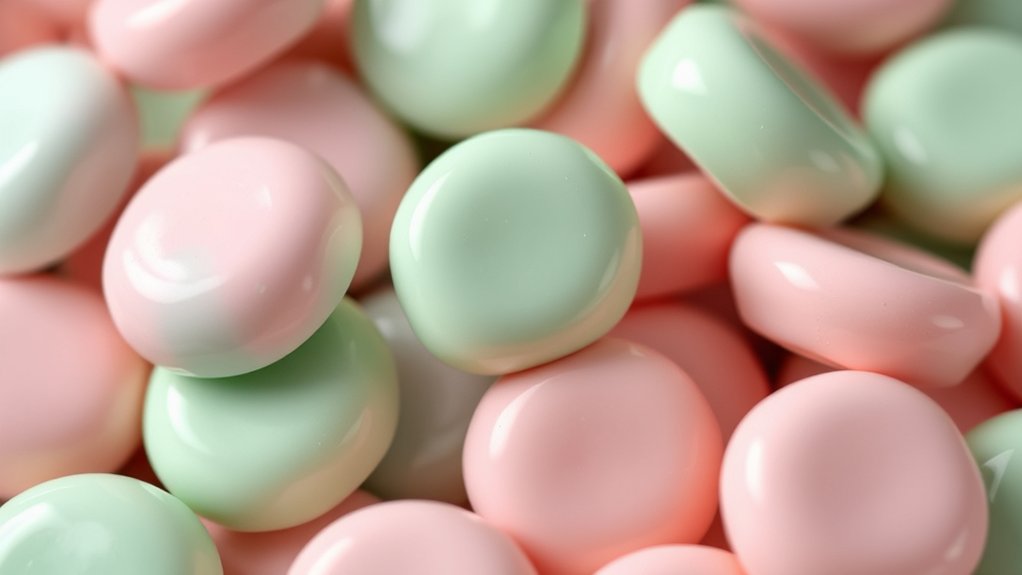
Many people wonder whether Candy Melts are true chocolate or just a candy coating. The answer really depends on the product. Usually, Candy Melts are considered candy coatings rather than real chocolate because they don’t contain cocoa solids, which give chocolate its authentic flavor.
Instead, their smooth, sweet taste is designed to mimic the richness of chocolate but with a different flavor profile—often sweeter and less complex. When it comes to packaging, Candy Melts are typically in bright, eye-catching wrappers that highlight their fun and versatile use for decorating treats.
These packaging choices make it easy to see them as candy coatings meant for melting and decorating, not pure chocolate. So, even though they look and feel similar to chocolate, Candy Melts serve a different purpose in baking and decorating.
This makes their classification as true chocolate a bit more nuanced.
How Are Candy Melts Made? What’s Inside Them?
Candy Melts are made from a mix of ingredients like vegetable fats, sweeteners, and milk solids, which give them that smooth, melt-in-your-mouth texture. When they’re being made, these ingredients are heated up, mixed together, and then cooled down into moldable discs or shapes.
You’ll also notice that many varieties include additives and flavorings, which help boost their taste and make them look even more appealing. It’s pretty fascinating how simple ingredients come together to create something so fun and tasty!
Ingredients Used in Candy Melts
To create the smooth, melt-in-your-mouth texture of Candy Melts, manufacturers combine a few key ingredients. These include vegetable fats, sugars, milk solids, and emulsifiers, which work together for a creamy, stable consistency.
The base ingredients allow for a variety of flavor variations, from classic chocolate to fruity and seasonal options. The ingredients are chosen to ensure easy melting and long shelf life.
Packaging options often feature vibrant colors and resealable packs, making them convenient for decorating or snacking. The ingredients are carefully selected to produce consistent quality and taste, regardless of the flavor.
With these components, Candy Melts deliver a versatile, enjoyable experience for bakers and candy enthusiasts alike.
Manufacturing Process Overview
The manufacturing process of Candy Melts starts with carefully blending the main ingredients—vegetable fats, sugars, milk solids, and emulsifiers—into a smooth, even mixture. This makes it easy to mold and melt.
During production, manufacturers explore different flavor combinations to appeal to various tastes, making the product versatile. Packaging innovations also help keep the Candy Melts fresh and easy to handle.
The table below highlights key parts of the production process:
| Ingredient Focus | Process Step | Final Use |
|---|---|---|
| Vegetable fats | Melting and blending | Smooth texture |
| Sugars | Mixing with fats | Sweet flavor |
| Milk solids | Incorporation into mixture | Creamy consistency |
| Emulsifiers | Stabilizing mixture | Uniformity |
| Flavor combinations | Adding during cooling | Variety in taste |
This overview shows how ingredients and innovations influence the quality of Candy Melts.
Common Additives and Flavors
Many additives and flavors are blended into Candy Melts to improve their taste, texture, and appearance. These ingredient variations allow for a wide range of flavor combinations, making each batch unique.
You might find common additives like emulsifiers and stabilizers that guarantee smooth melting and glossy finishes. Flavor options vary from fruity to minty, or even spicy, depending on your desired taste.
Here are some key points: Artificial and natural flavor extracts amplify the overall flavor profile. Colorings are added for vibrant, appealing appearances. Preservatives may be included to extend shelf life.
Custom flavor combinations can be created by mixing extracts and ingredients. These additives make Candy Melts versatile for decorating, molding, and customizing your sweet creations.
What’s the Difference Between Candy Melts and Traditional Chocolate?
Candy melts are made with a different mix of ingredients compared to traditional chocolate, which makes them easier to melt and work with. They tend to melt smoothly and set quickly, making them perfect for decorating and shaping.
On the other hand, traditional chocolate has a richer flavor and a different texture because of its cocoa content and other ingredients. Knowing these differences can help you pick the right one for your culinary projects, whether you’re aiming for easy handling or a more classic chocolate taste.
Composition and Ingredients
While Candy Melts and traditional chocolate share similarities, their core ingredients differ quite a bit. Candy Melts are mainly made from vegetable fats, sweeteners, and emulsifiers, which give them a smooth, meltable texture without cocoa solids. Traditional chocolate contains cocoa butter, cocoa solids, and sugar, giving it a rich flavor and natural complexity.
Here are some key differences:
Fat Content: Candy Melts use vegetable fats, while chocolate relies on cocoa butter.
Flavor: Candy Melts have a milder, sweeter taste, whereas chocolate offers a deep cocoa flavor.
Texture: Candy Melts melt smoothly for coating and decorating, making them great for various flavor combos.
Packaging Options: Candy Melts come in lots of colors, perfect for creative decorating, unlike traditional chocolate bars.
These differences really influence how you can use them in baking and decorating projects.
Melting and Setting Properties
Understanding how Candy Melts and traditional chocolate melt and set is key to getting great results in your baking and decorating projects. Candy Melts melt smoothly at lower temperatures, making them really easy to work with, and they set quickly to a firm finish.
Their melting process is more forgiving, so you’re less likely to burn them compared to traditional chocolate. Flavor variations in Candy Melts are often added during manufacturing, giving you lots of options, while traditional chocolate’s flavor develops during tempering.
Packaging options for Candy Melts are convenient, often coming in resealable bags, which help control moisture and keep them fresh. Knowing these melting and setting properties helps you pick the right product for your project, ensuring vibrant colors and clean, professional-looking decorations.
Usage and Culinary Applications
Knowing the key differences between Candy Melts and traditional chocolate can help you pick the right material for your culinary projects. Candy Melts are versatile for decorating and shaping because they melt smoothly and are easy to handle. They come in various flavors, so you can customize treats without needing extra ingredients.
Packaging options are diverse, making them convenient for storage and use. Here are some common ways to use Candy Melts in the kitchen:
- Decorating cakes and cupcakes – they’re easy to pipe and mold for intricate designs.
- Making candies and truffles – perfect for coating and filling.
- Creating themed treats – great for seasonal and special event molds.
- Coloring and flavoring – can be easily customized with food dyes and extracts.
Candy Melts make decorating simpler, especially when you want vibrant colors and quick results.
How Do Candy Melts Taste and Feel Compared to Real Chocolate?
Candy Melts have a sweet, smooth texture that many compare to real chocolate, but they lack the rich, complex flavor that true cacao offers. When you taste them, you’ll notice that flavor consistency can vary slightly between brands, sometimes offering a more sugary or artificial taste.
The texture also varies; Candy Melts tend to melt evenly and create a silky coating, but they often feel less creamy and more waxy compared to genuine chocolate. Real chocolate contains cocoa butter, which gives it a luxurious mouthfeel, while Candy Melts usually contain vegetable fats, resulting in a different sensation.
Despite these differences, Candy Melts are great for decorating and crafting because of their uniform texture and predictable melting behavior. However, if you’re after a true chocolate experience, the flavor and feel of Candy Melts won’t fully match the depth and richness of authentic cacao-based chocolate.
Can You Use Candy Melts in Recipes as a Chocolate Substitute?

You can definitely use Candy Melts in recipes as a substitute for chocolate, especially when you want a smooth, colorful coating or a quick melt-and-pour option. While they don’t have the same rich flavor as real chocolate, Candy melts offer a sweet, candy-like taste that many find appealing.
Their texture melts smoothly, making them ideal for coating or drizzling. Keep in mind, however, that Candy melts texture differs from traditional chocolate; they tend to be thicker and less glossy.
Here are some ways to use them effectively:
- Use for coating candies, pretzels, or cookies for vibrant color and a shiny finish.
- Melt and incorporate into recipes needing a smooth consistency.
- Substitute in no-bake dessert recipes that don’t require the depth of real chocolate.
- Achieve quick, colorful decorations without tempering chocolate.
Candy melts are versatile but are best suited for decorative purposes rather than recipes demanding the flavor complexity of real chocolate.
Pros and Cons of Using Candy Melts for Cake Decorating
Using Candy Melts for cake decorating offers both advantages and disadvantages that are important to take into account. One major benefit is their ease of use; you can melt them quickly and shape them into decorations without special equipment. Their smooth texture makes pouring and piping simple, giving a polished look to your cake.
The candy melts flavor is generally sweet and mild, which appeals to many, but it may lack the richness of traditional chocolate. Nonetheless, their texture can be too brittle at room temperature, making decorations fragile and prone to cracking. Furthermore, some find the flavor too artificial or overwhelming, especially if used excessively.
On the upside, Candy Melts come in vibrant colors, simplifying color coordination. But they may not provide the same depth of flavor or authentic chocolate experience. Overall, Candy Melts are convenient but might sacrifice some flavor complexity and durability for ease and visual appeal.
Are Candy Melts Suitable for Dietary Restrictions and Allergies?
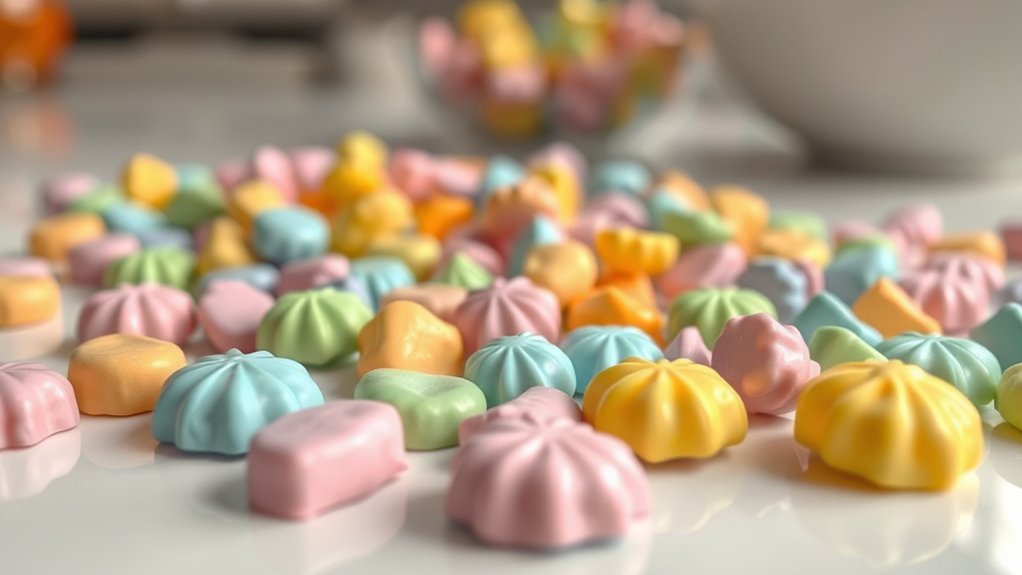
When thinking about dietary restrictions and allergies, it’s important to check if Candy Melts are suitable for your needs. These candies come in different flavors, which can affect those with sensitivities.
Some brands offer allergy-friendly options, but not all are free from common allergens like soy, dairy, or gluten. Packaging often shows if a product is labeled gluten-free or vegan, so always check carefully.
Here are some key points to keep in mind:
- Read ingredient labels for allergen warnings and dietary labels.
- Look for products specifically marked as vegan or gluten-free.
- Keep in mind that flavor profiles might include artificial ingredients that could affect sensitive individuals.
- Packaging can reveal if a product is made in allergen-controlled facilities or if there’s a risk of cross-contamination.
Always read labels thoroughly and choose products that fit your dietary needs to ensure safety and enjoyment.
How Do Candy Melts Melt and Set Compared to Real Chocolate?
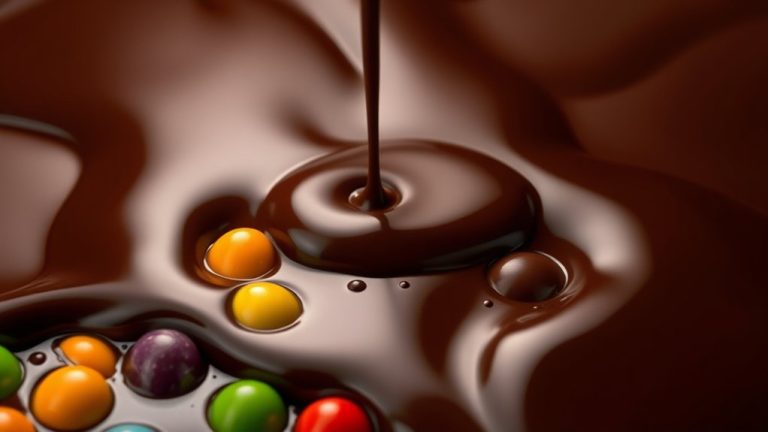
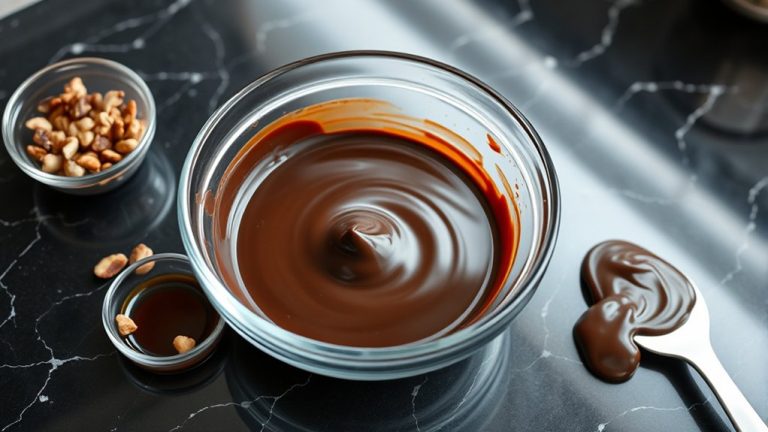
Candy Melts melt quickly and smoothly at relatively low temperatures, making them easy to work with for decorating and molding. Unlike real chocolate, they don’t require tempering, so they set fast and stay stable.
When melted, Candy Melts produce a glossy finish, but their flavor is milder and sweeter than traditional chocolate. This can influence your choice depending on the taste you want to achieve.
They also come in a wide range of colors, allowing you to create vibrant, eye-catching designs without needing extra coloring agents. Candy Melts set quickly and harden into a firm, smooth surface, perfect for decorations or coatings.
However, they lack the complex flavor profile of real chocolate, which can affect the overall taste of your desserts. Overall, their melting and setting properties make them a versatile decorating option, but their flavor and color options really set them apart.
What Are the Common Uses of Candy Melts in Baking and Crafting?
Candy Melts are popular in baking and crafting because of their vibrant colors and easy melting properties. They’re perfect for creating decorations, embellishments, and coatings.
You can use them to make cake pops, dipped pretzels, or colorful candies that brighten up any dessert table. Their versatility means you can customize colors to match any theme or occasion.
Here are some common uses:
- Decorating cupcakes and cakes with colorful accents and intricate designs.
- Creating themed edible decorations like flowers, shapes, or characters.
- Coating cookies or pretzels for a smooth, shiny finish.
- Crafting non-edible projects like cake toppers or party favors with easy-to-handle packaging.
Because Candy Melts come in various packaging options, you can buy small or bulk quantities. They’re great for both casual bakers and professional decorators.
How Should You Store Candy Melts to Keep Them Fresh?
To keep Candy Melts fresh and maintain their smooth texture, proper storage is essential. Store them in an airtight container to prevent moisture and air from causing clumping or melting. Keep the container in a cool, dry place away from direct sunlight, ideally between 65-70°F.
If you’re planning Halloween-themed treats, consider packaging options that help preserve freshness, such as resealable bags or sturdy containers with tight-fitting lids. Avoid storing Candy Melts near strong odors, as they can absorb scents that affect flavor.
If you melt and use them for decorating, let leftovers cool completely before sealing to prevent condensation. Proper packaging and storage not only extend shelf life but also keep your Halloween themes vibrant and appealing.
Frequently Asked Questions
Are Candy Melts Gluten-Free?
Yes, candy melts are generally gluten-free, but it’s important to check the label to be sure. Many brands offer gluten-free options, so they can be safe for those with gluten sensitivities.
However, there’s a risk of cross-contamination if they’re made in facilities that also process gluten-containing products. To stay safe, look for certified gluten-free candy melts and carefully read the ingredient list.
This is especially important if you have celiac disease or severe allergies. When in doubt, it’s always best to double-check to keep your treats safe and enjoyable.
Can Candy Melts Be Used for Making Chocolate Fountains?
Yes, you can use candy melts for making chocolate fountains. Their lower melting point makes them easy to melt smoothly, which is perfect for flowing through a fountain.
Keep in mind, candy melts have different flavor profiles compared to real chocolate. They tend to be sweeter and more artificially flavored.
Since their melting point is lower, they melt quickly and stay fluid. You might need to adjust the temperature a bit to prevent burning or seizing.
Do Candy Melts Contain Dairy Ingredients?
Candy melts generally do not contain dairy ingredients, but you should check the packaging for specific dairy content. Their main ingredients are usually sugar, vegetable fats, and flavorings, which often don’t involve dairy.
That said, some brands might add milk solids or dairy derivatives, so it’s important to read the label carefully if you need a dairy-free option. If you’re sensitive or allergic, choosing dairy-free-certified candy melts is the safest bet.
Are Candy Melts Suitable for Vegans?
Candy melts are generally not suitable for vegans because they often contain dairy ingredients.
However, you can find vegan alternatives made with plant-based ingredients that mimic the smooth, sweet texture of traditional candy melts.
Always check the packaging to verify they’re free from animal products.
If you want a vegan-friendly option, look for brands that specifically label their products as plant-based or dairy-free.
This way, you can be sure they meet your dietary needs.
How Long Do Candy Melts Last Before They Expire?
Think of candy melts as a trusty ship sailing through time; they usually last about a year if stored properly. Their shelf life depends on storage tips like keeping them in a cool, dry place away from sunlight.
Properly sealed and stored, they won’t spoil quickly. Over time, they might develop a whitish coating or lose some sheen, but they’re generally safe to use within that one-year window.
Conclusion
In the end, understanding whether candy melts are real chocolate helps you make smarter choices in your treats. While they may not be true chocolate, they serve as a handy tool for decorating and crafting.
Think of them as a Swiss Army knife—versatile and convenient but not a replacement for the real deal. With proper storage, they’ll stay fresh and ready for your next sweet project.
So, use candy melts wisely and enjoy the best of both worlds. Knowing if they’re real chocolate makes all the difference in your baking adventures.