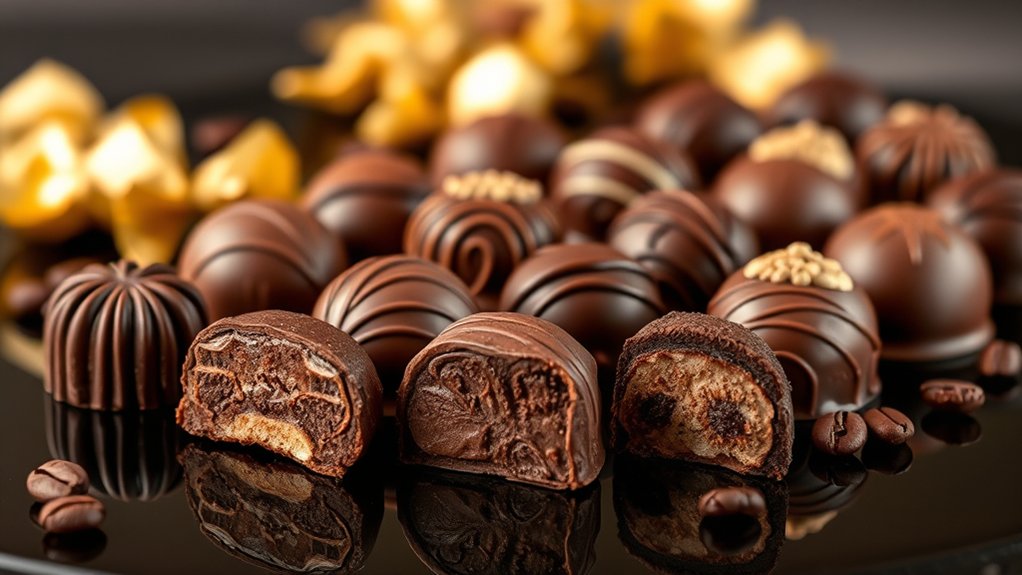
What Factors Does Chocolate Use to Dominate the Candy Market?
Many people struggle with finding that perfect sweet treat that satisfies their cravings and lifts their mood. If you’re a chocolate lover, you’re not alone—chocolate dominates the candy market for a reason.
Chocolate dominates the candy market by using irresistible flavors, smooth textures, and emotional branding that create strong customer bonds. Strategic packaging and presentation make products look luxurious and crave-worthy.
Innovative flavors and sustainable sourcing keep consumers interested and trustful. Targeted marketing and promotions encourage repeat purchases, while competitive pricing solidifies its place.
If you want to explore exactly how brands craft these powerful strategies, there’s more to uncover right ahead.
Key Takeaways
- Strong brand building through storytelling, emotional connections, and premium packaging helps create loyalty and makes the brand more recognizable.
- Offering innovative flavors, textures, and sensory experiences helps chocolate stand out in a crowded market.
- Cultural significance and emotional symbolism make consumers feel more attached and elevate chocolate beyond just a treat.
- Focusing on sustainability, ethical sourcing, and health-conscious options aligns with what today’s consumers care about most.
- Smart pricing strategies, promotions, and supply chain management help drive sales and keep the brand consistently visible in the market.
How Chocolate Builds Its Brand and Keeps Customers Coming Back?

Chocolate companies actively craft their brands by emphasizing quality, tradition, and indulgence, making their products irresistible to consumers. Through strategic chocolate branding, they create a powerful emotional connection that keeps you coming back.
By highlighting rich heritage and consistent quality, they build trust and familiarity, encouraging customer loyalty. Packaging also plays a vital role, often featuring iconic designs that instantly evoke comfort and pleasure.
Advertising campaigns reinforce the sense of indulgence and exclusivity, making you associate their chocolate with special moments. Limited editions and seasonal offerings further strengthen loyalty by providing new experiences while maintaining a sense of tradition.
These efforts guarantee that your preference for a particular brand becomes ingrained, fostering repeat purchases. Ultimately, their focus on quality, storytelling, and memorable branding keeps you loyal, making sure they stay dominant in the competitive candy market.
This strategic approach makes their chocolates not just treats but trusted staples in your life.
Flavor and Texture: The Keys to Irresistible Chocolate
When you think about chocolate, it’s that rich, creamy texture that really grabs your attention. It just melts in your mouth, making every bite feel like a little indulgence. And let’s be honest, that smooth, velvety feel is pretty hard to beat.
But it’s not just about the texture — the flavor is what keeps you coming back for more. The perfect mix of sweet, bitter, and sometimes even a hint of fruity or nutty notes make each piece exciting. And when you add in some unexpected texture combos, like crunchy nuts or gooey centers, it keeps things interesting and truly irresistible.
Rich, Creamy Consistency
The rich, creamy consistency of high-quality chocolate is what makes it so irresistibly smooth and indulgent. This velvety texture enhances your overall experience, making each bite melt effortlessly in your mouth.
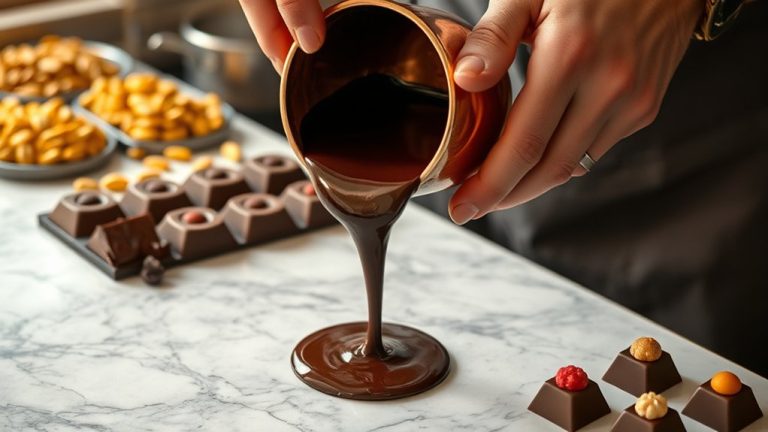
To achieve this, expert chocolate makers focus on ingredient sourcing, selecting premium cocoa and dairy. The smoothness also depends on proper tempering and conching processes.
When considering chocolate pairing, this creamy texture complements various flavors, creating harmony on your palate. Look for chocolates with fine cocoa content, proper conching duration, fresh high-quality dairy ingredients, controlled temperature during production, and thoughtful ingredient sourcing.
All these factors come together to elevate the chocolate’s consistency and ensure it remains a favorite in the candy market.
Balanced Flavor Profiles
Have you ever noticed how the most irresistible chocolates strike a perfect balance between rich flavor and smooth texture? Achieving this harmony relies heavily on skillful flavor pairing, where ingredients complement each other to create depth without overpowering.
The right combination of cocoa, sweetness, and subtle accents improves the overall experience. Packaging design also plays a vital role; it communicates the flavor profile and entices you to try the product.
When packaging hints at a balanced, high-quality flavor, it sets expectations and boosts your perception of the chocolate’s appeal. Together, thoughtful flavor pairing and attractive packaging craft a compelling story that draws you in.
This makes the chocolate not just a treat but an irresistible indulgence.
Innovative Texture Combinations
Innovative texture combinations can turn a simple chocolate bar into an unforgettable sensory experience. By mixing contrasting textures, you boost the appeal of the chocolate flavor and make the treat more memorable.
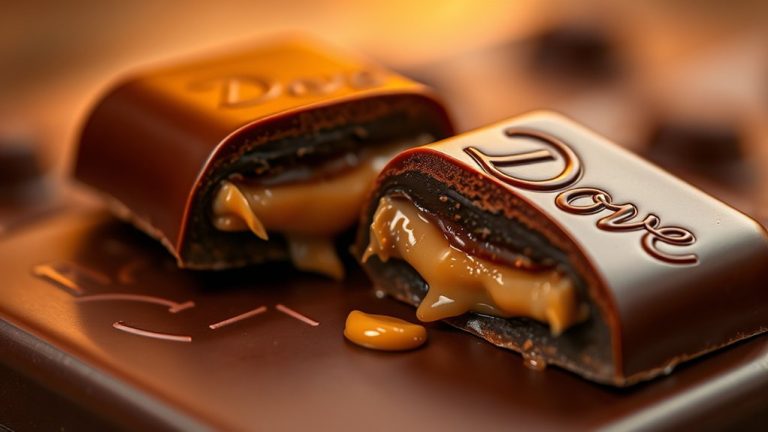
Texture innovation keeps consumers interested and eager to try new variations. Adding crunchy, smooth, chewy, or airy elements gives the overall experience more depth. For example, pairing silky ganache with crispy rice or chewy caramel with crunchy nuts enhances the complexity of the chocolate.
These combinations not only satisfy different cravings but also help brands stand out. To make the biggest impact, focus on contrasting textures that surprise the palate and balance crunch with creaminess. Using unexpected ingredients can also spark texture innovation.
At the same time, it’s important to maintain harmony with the chocolate flavor. Creating multi-layered sensory experiences will keep consumers intrigued and coming back for more.
The Science Behind Chocolate’s Sensory Appeal
You know, one of the things that makes chocolate so irresistible is its texture and mouthfeel. When you take a bite, you can really feel it melting in your mouth, which makes the experience so satisfying. It’s almost like a little sensory treat with every piece.
And then there’s the aroma and flavor. Chocolate’s scent can be sweet, nutty, or even a little bitter, and those smells really get your senses going. The different flavor notes, from rich cocoa to subtle hints of fruit or spice, just keep you coming back for more. All these elements together are what make chocolate such a beloved favorite in the candy world.
Texture and Mouthfeel
The texture and mouthfeel of chocolate are key to how we enjoy it. They shape our sense of richness and smoothness, making the experience either indulgent or disappointing.
Your perception of quality really depends on these sensations. A luxurious melt-in-your-mouth feel can make chocolate feel special.
Factors that influence this include the right cocoa butter content for smoothness and finely ground ingredients for a silky texture.
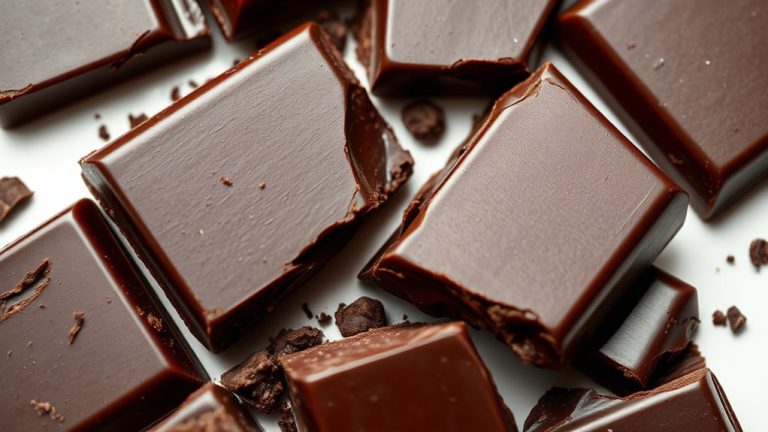
Controlling tempering helps achieve a glossy finish and a firm snap, adding to that satisfying bite.
Balancing fat and sugar levels ensures a pleasant, creamy mouthfeel that’s not too gritty or sticky.
Uniform particle size prevents grittiness and keeps the texture smooth from start to finish.
All these elements work together to give you an irresistible chocolate experience. When the texture and mouthfeel are just right, chocolate becomes more than a treat—it’s an experience you want to repeat.
Aroma and Flavor Profiles
Aroma and flavor profiles are at the heart of what makes chocolate so irresistibly complex and appealing. You’ll notice a rich, inviting scent that hints at roasted cocoa beans, vanilla, and subtle fruity notes.
These aromas develop as you taste, revealing layers of flavor that deepen with each bite. This flavor evolution keeps your senses engaged and makes the experience more enjoyable.
Proper chocolate pairing can enhance these profiles, creating a harmonious blend of aromas and flavors. The aroma sparks your initial craving, while the evolving flavors satisfy your palate over time.
Understanding these profiles helps chocolatiers craft products that evoke specific sensory responses. It’s this dynamic aroma and flavor journey that elevates chocolate from simple candy to a sophisticated experience.
Marketing Strategies That Make Chocolate a Candy Market Leader
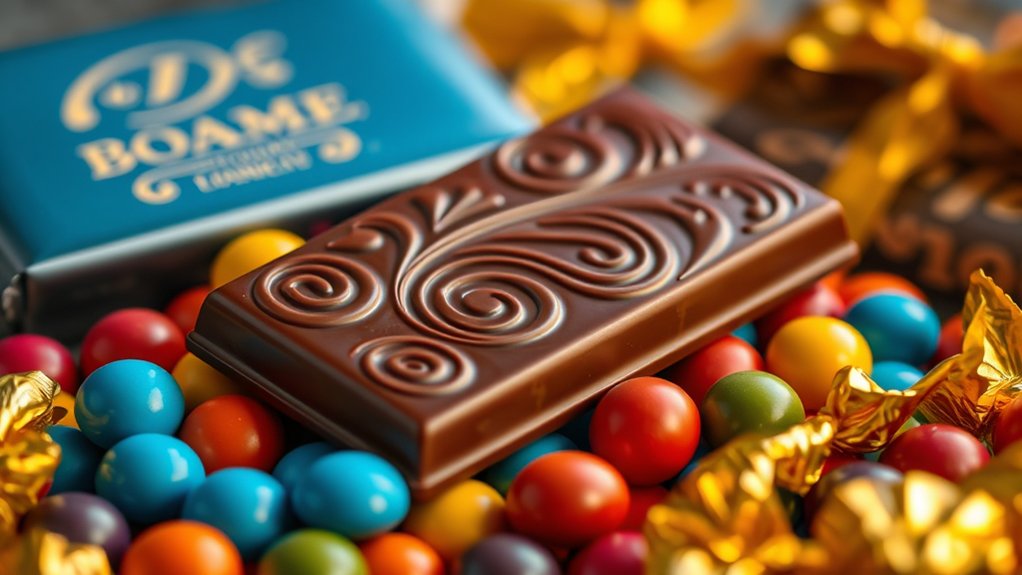
Effective marketing strategies have played a crucial role in establishing chocolate as the dominant force in the candy market. Brands highlight gourmet craftsmanship and ingredient sourcing to appeal to consumers seeking quality and authenticity.
Effective marketing has made chocolate a symbol of indulgence and quality in the candy industry.
They emphasize the artistry behind each piece, creating an image of premium, handcrafted products that stand out. To build loyalty, companies often share stories about the history and tradition behind their chocolates.
Targeted advertising helps reach specific groups like health-conscious or luxury buyers. Key strategies include highlighting artisanal techniques and promoting high-quality ingredients.
They also use emotional storytelling to connect with customers and create exclusive product lines for a premium feel. Social media is a powerful tool to engage audiences and strengthen brand identity.
These tactics foster a perception of superior quality, making chocolate not just a treat but a symbol of indulgence and sophistication.
Packaging and Presentation: Elevating Chocolate’s Appeal
Packaging and presentation play a crucial role in elevating chocolate’s appeal. Sometimes, it’s what makes the difference between a casual buy and a luxury treat.
Good chocolate packaging grabs your attention and hints at quality, making you more likely to pick one product over another. It’s about more than just protecting the chocolate — it creates an emotional connection.
Fancy wrappers, elegant boxes, and vibrant colors all boost the overall look. They encourage impulse purchases and help brands stand out on the shelves.
Here’s how presentation appeal influences your choices:
| Feature | Impact | Example |
|---|---|---|
| Attractive design | Instantly draws your eye | Gold foil wrapping |
| Clear branding | Builds trust and recognition | Prominent logo |
| Color schemes | Spark emotions and cravings | Bright reds and pinks |
| Material quality | Suggests premium quality | Matte or embossed finish |
Strong chocolate packaging shapes how you see the product, making it seem more luxurious and desirable.
Why Cultural Significance Boosts Chocolate’s Market Power
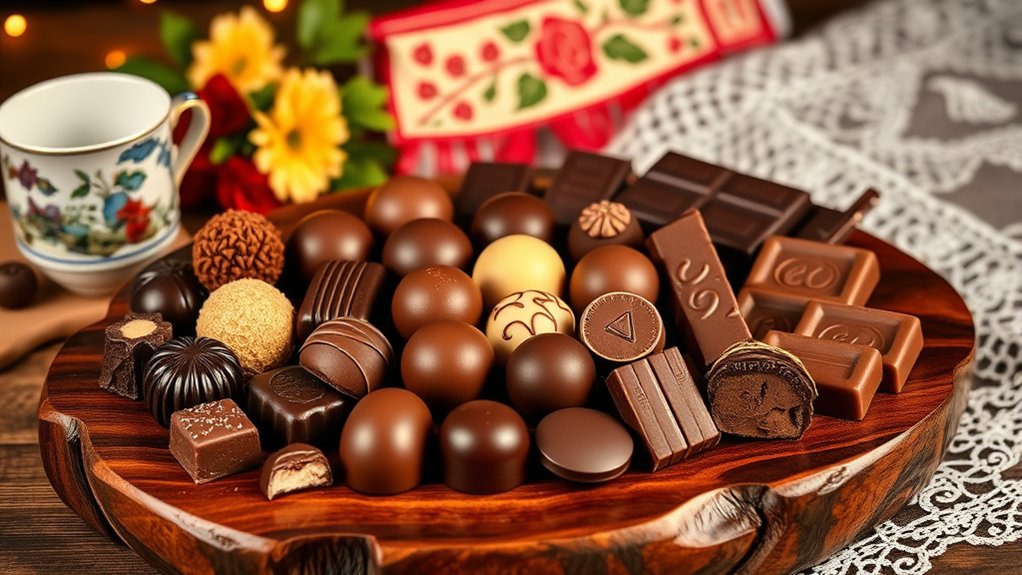
Cultural rituals and traditions often revolve around chocolate, making it a big part of special occasions. When you think about celebrations like holidays or festivals, chocolate is usually right there, adding to the festive spirit. Its emotional and symbolic significance really helps people feel connected to it, which keeps the demand steady.
Plus, all those celebrations and festivities just reinforce chocolate’s place in our culture. It’s not just about taste anymore; it’s about tradition and identity. Because of that, chocolate stays firmly rooted in our cultural practices, boosting its popularity and market power.
Cultural Rituals and Traditions
Have you ever wondered why chocolate often takes center stage during major celebrations and rituals? It’s because of its deep connection to traditional ceremonies and their ritual significance. Chocolate has long been used to mark important milestones, symbolizing prosperity, love, and unity. Its role in these events helps reinforce cultural values and strengthen community bonds.
Some ways chocolate elevates rituals include celebrating religious festivals, marking rites of passage like weddings, offering gifts during holidays, commemorating historical events, and enhancing communal feasts.
This cultural importance makes chocolate more than just a treat; it becomes a cherished part of tradition. It also boosts its market power worldwide. Its role in rituals solidifies its status as an essential, symbolic commodity.
Emotional and Symbolic Value
Chocolate’s role in rituals isn’t just about tradition; it also taps into deep emotional and symbolic meanings that resonate with people worldwide. You feel an emotional connection when you gift or receive chocolate, which helps reinforce bonds and express affection.
Its symbolic meaning often represents comfort, love, or celebration, making it more than just a sweet treat. This emotional significance influences your buying choices because you associate chocolate with positive feelings and special moments.
The powerful symbolism behind chocolate helps brands build loyalty. Consumers see it as a sign of care or a token of appreciation. By tapping into these emotional and symbolic values, chocolate becomes a staple in people’s lives, driving demand beyond just taste.
Celebrations and Festivities
Celebrations and festivities often center around chocolate because its cultural significance makes it a natural choice for marking special moments. Its role goes beyond taste—chocolate *amplifies* the atmosphere with festive decorations and reinforces gift-giving traditions.
During holidays, people incorporate chocolate into various traditions like festive decorations, such as chocolate-themed ornaments. It’s also a popular choice for gift-giving, especially during birthdays and holidays.
Chocolate is used as favors and treats at parties, adding a sweet touch to special events. Many cultures link chocolate to prosperity and luck through specific rituals.
Seasonal displays often showcase chocolate as a centerpiece, making it more than just a candy. Its deep-rooted connection to celebrations makes it a symbol of joy and happiness.
Its presence *raises* the festive mood, encouraging more indulgence and helping it stay dominant during special occasions.
How Innovative Chocolate Products Sustain Market Leadership
Innovative chocolate products are key to staying at the top of the market by constantly appealing to changing consumer tastes.
By introducing new ideas, companies stay ahead of market shifts and meet evolving preferences. You’ll see brands trying out new flavor combos, textures, and formats—like infused chocolates, single-origin types, or healthier options.
These innovations keep customers excited and encourage them to buy again. Staying on top of trends, such as low-sugar or functional chocolates, helps brands strengthen their lead.
Market conditions often call for quick thinking, and those who innovate fast can attract new customer groups. When you spot fresh, creative chocolates on shelves, it’s because companies are using product development to keep their edge.
Ethical Sourcing and Sustainability: Building Consumer Trust
As consumers become more conscious of their purchases, ethical sourcing and sustainability have moved to the forefront of the chocolate industry. You now want transparency about where your chocolate comes from and how it’s made.
Brands that focus on fair trade and sustainable farming build trust by making sure farmers get fair wages and work in safe conditions. This also supports environmentally friendly practices, reduces deforestation, and helps protect biodiversity.
Brands committed to fair trade and sustainability build trust through fair wages, safe conditions, and environmental protection.
To stand out, companies often:
- Use certified fair trade ingredients
- Invest in sustainable farming initiatives
- Share transparent stories about their supply chains
- Promote eco-friendly packaging
- Support community development projects
These efforts show you that your purchase makes a positive difference, encouraging loyalty and trust. When brands prioritize ethical sourcing, they don’t just meet your expectations—they help create a more responsible chocolate industry.
Trust in your favorite brands grows stronger when they actively show their commitment to sustainability.
Future Trends in Chocolate Market Leadership
Looking ahead, the future of chocolate market leadership will be shaped by companies that prioritize innovation, consumer preferences, and sustainability. You’ll see a focus on developing new flavors, textures, and health-conscious options to meet changing demands.
Market segmentation will become more refined, making it easier for you to find products tailored to specific lifestyles, dietary needs, and cultural trends. Personalization will also be key, with brands offering customized chocolates to attract diverse consumers.
Sustainability will stay at the forefront, influencing product development and branding strategies. You’ll increasingly seek out brands that demonstrate transparency, ethical sourcing, and environmentally friendly practices.
As more people prefer healthier and ethically produced chocolates, market leaders will need to adapt by innovating responsibly and targeting niche segments. Staying ahead depends on how well companies can anticipate these trends and weave them into their growth plans.
Competitive Pricing and Promotions That Drive Repeat Purchases
Competitive pricing and targeted promotions are key tools for brands looking to boost repeat purchases in the crowded chocolate market. Adjusting prices strategically helps attract budget-conscious consumers and encourages loyalty.
Strategic pricing and targeted promotions drive repeat sales in the competitive chocolate industry.
Promotions like discounts, buy-one-get-one-free deals, or loyalty rewards keep customers coming back. Effective manufacturing processes ensure product quality while keeping costs down, allowing for competitive pricing.
Supply chain logistics are vital for maintaining consistent stock levels, preventing shortages that might drive customers elsewhere. To make the most of these strategies, try offering limited-time discounts during holidays or special events.
Implement loyalty programs that reward repeat buyers and bundle products to add value. Use targeted advertising to reach specific customer segments and optimize logistics for timely delivery and freshness.
These tactics build brand loyalty, making your chocolates the go-to choice and strengthening your market position.
Frequently Asked Questions
How Does Chocolate Influence Consumer Emotions and Purchasing Decisions?
Chocolate influences your emotions and purchasing decisions through its strong emotional appeal and sensory experience.
When you see or taste chocolate, it triggers feelings of happiness, comfort, and nostalgia. The rich aroma and smooth texture create a satisfying sensory experience that makes you crave more.
This emotional connection encourages you to choose chocolate over other candies, as it makes you feel good. It reinforces your desire to buy and enjoy it again and again.
What Role Do Health Benefits Play in Chocolate’s Market Dominance?
Chocolate’s health benefits play a huge role in its market dominance, influencing how people see it. You might think it’s just a treat, but its nutritional content, like antioxidants and flavonoids, makes it seem like a guilt-free indulgence.
This perception boosts its appeal and encourages people to buy it again and again. When consumers notice health benefits, they’re more likely to pick chocolate over less nutritious options.
All of this helps solidify its strong position in the candy market.
How Does Seasonal and Holiday Marketing Impact Chocolate Sales?
Seasonal promotions and holiday campaigns significantly boost your chocolate sales by tapping into festive moods and gift-giving traditions.
When you run these campaigns, you create excitement and anticipation that encourage customers to buy more chocolates for celebrations like Valentine’s Day, Halloween, or Christmas.
These timely marketing efforts make your products feel special and relevant, which increases demand.
What Technological Advancements Are Shaping the Future of Chocolate Production?
You see, technological advancements like improved cocoa fermentation processes and bean genetics are shaping chocolate production’s future. Better fermentation techniques enhance flavor profiles, making your chocolates more delicious.
Genetically optimized beans increase both yield and quality. These innovations help you craft richer, more consistent chocolates efficiently.
As a result, you can meet growing consumer demands for high-quality products, stay competitive, and push the boundaries of flavor and sustainability in the chocolate industry.
How Do Global Trade Policies Affect Chocolate Availability and Pricing?
Trade agreements and tariff impacts directly influence chocolate availability and pricing. When countries make good trade deals, chocolate becomes more accessible and affordable—it’s like hitting two birds with one stone.
On the other hand, tariffs can increase costs, making chocolates more expensive for you. Global policies shape supply chains, so changes in trade can lead to shortages or surpluses, affecting what’s on store shelves and how much you pay.
Conclusion
You see, while chocolate’s rich flavor and smooth texture delight your senses, its clever marketing and eco-friendly practices build your trust.
It’s like a tempting treat wrapped in an elegant package, yet backed by sustainability promises.
The secret isn’t just taste; it’s the perfect blend of innovation, ethics, and savvy pricing that keeps you coming back.
In this sweet dance of market dominance, chocolate proves that indulgence and integrity can go hand in hand.
By combining irresistible appeal with responsible practices, chocolate continues to dominate the candy market.