What Happens When You Use Chocolate Chips Instead of Candy Melts?
Many bakers and dessert lovers struggle with achieving that perfect, smooth coating on their treats. It’s frustrating when your decorations don’t turn out as glossy or even as you’d like. You’re not alone—these issues happen when you use chocolate chips instead of candy melts.
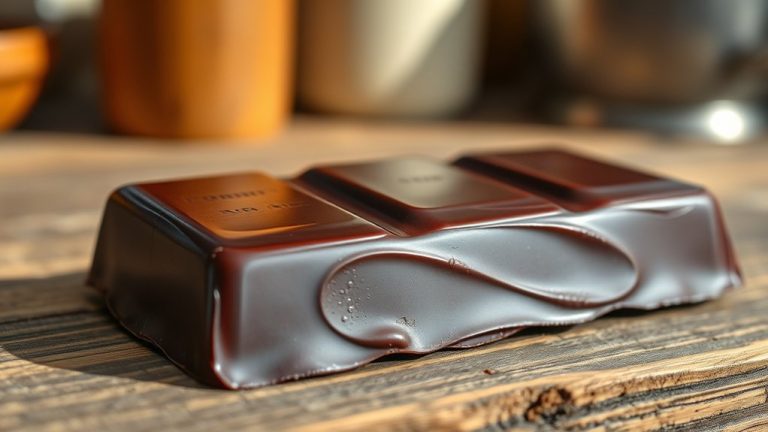
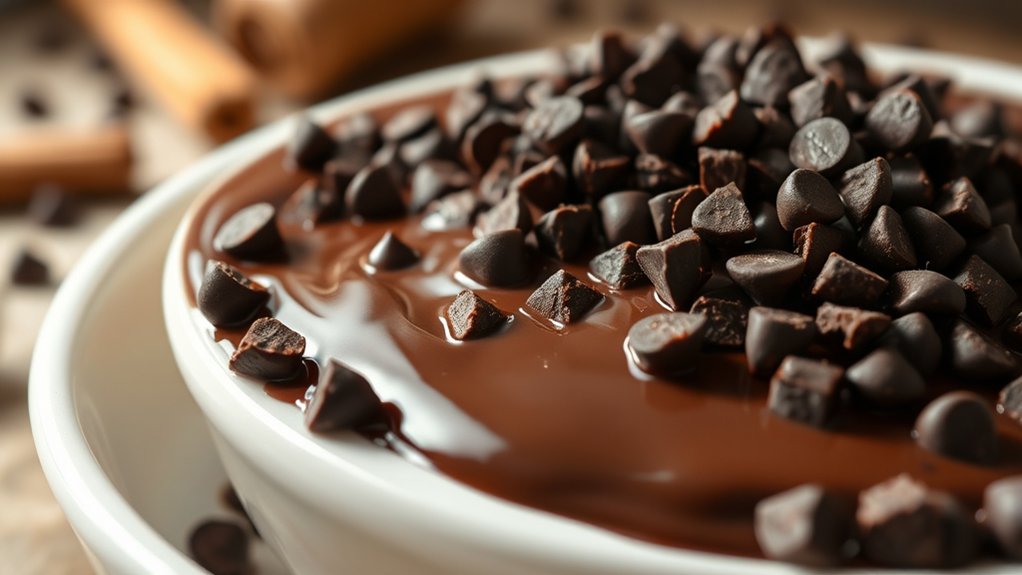
Using chocolate chips instead of candy melts can cause issues with melting and appearance because chips don’t melt as smoothly and can seize or harden easily. They tend to produce a less glossy, more textured finish, and might not coat as evenly.
Candy melts melt at lower temperatures and stay smooth, making them better for coatings and decorations.
Keep going to learn how to work with these differences for better results.
Key Takeaways
- Chocolate chips melt more slowly and might not give you that smooth, glossy coating like candy melts do.
- They can seize up or turn grainy if overheated or if moisture gets in during melting.
- When you use chocolate chips, you’ll likely end up with a firmer, crumbly finish instead of a shiny, crisp look.
- Covering things with chocolate chips can also be uneven compared to the smooth, uniform finish you get with candy melts.
- To get a smoother consistency with chocolate chips, you might need to use extra melting techniques or add oils.
How Do Chocolate Chips Behave When Melted?
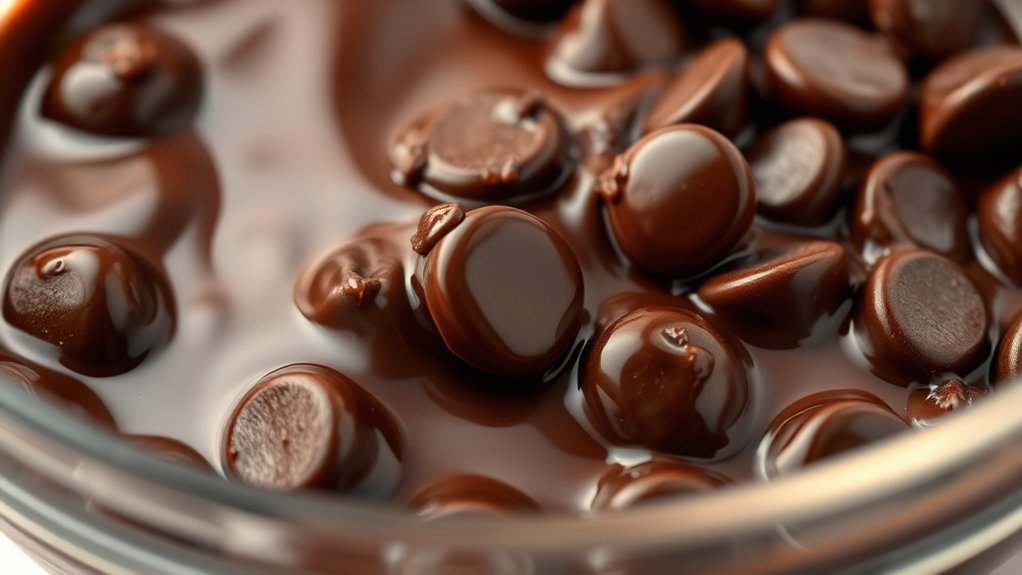
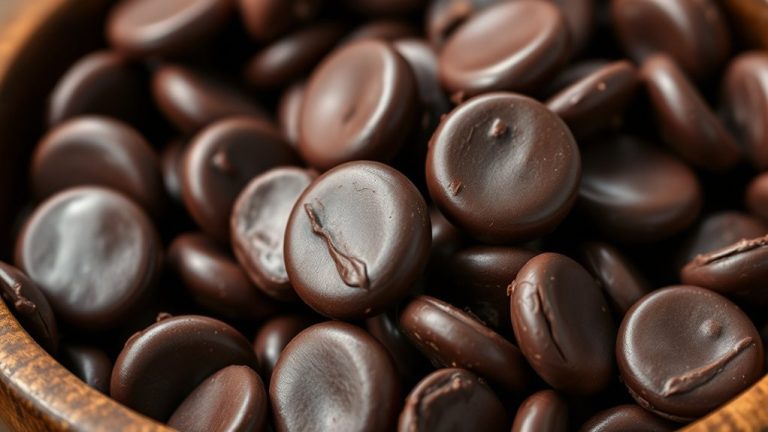
When melted, chocolate chips tend to hold their shape better than other chocolate forms because of their stabilizers and added fats.
This means they won’t fully turn into smooth, pourable chocolate like candy melts do, but they can still be melted successfully for various recipes.
As you melt them, you’ll notice they become thick and glossy, making them ideal for adding flavor to baked goods or snacks.
To prevent burning or seizing, melt them slowly over low heat or in short bursts in the microwave.
Proper storage tips involve keeping chocolate chips in an airtight container in a cool, dry place, which preserves their quality and prevents blooming or sugar crystallization.
When using melted chocolate chips, be aware that their texture may be slightly different from candy melts, affecting how smoothly they coat or set.
Understanding these behaviors helps you achieve better results in your culinary creations.
What Are the Main Differences Between Candy Melts and Chocolate Chips?
Candy melts and chocolate chips mainly differ in what’s inside and what they’re used for. Candy melts are made from vegetable fats instead of cocoa butter, which makes them melt more smoothly and come in bright, fun colors. Chocolate chips have cocoa solids, sugar, and cocoa butter, giving them a richer chocolate flavor.
Here’s a quick comparison:
| Aspect | Candy Melts | Chocolate Chips |
|---|---|---|
| Flavor Variations | Wide range of bright, sweet flavors | Classic chocolate, mini, dark, milk |
| Melting Point | Melts smoothly at lower temperatures | Melts more slowly, needs gentle heat |
| Storage Tips | Keep in a cool, dry place; avoid refrigeration | Store in airtight containers, cool, dry area |
Knowing these differences helps you pick the right one. Candy melts are great for colorful decorations, while chocolate chips add depth of flavor and texture to your treats.
Can You Substitute Chocolate Chips for Candy Melts?
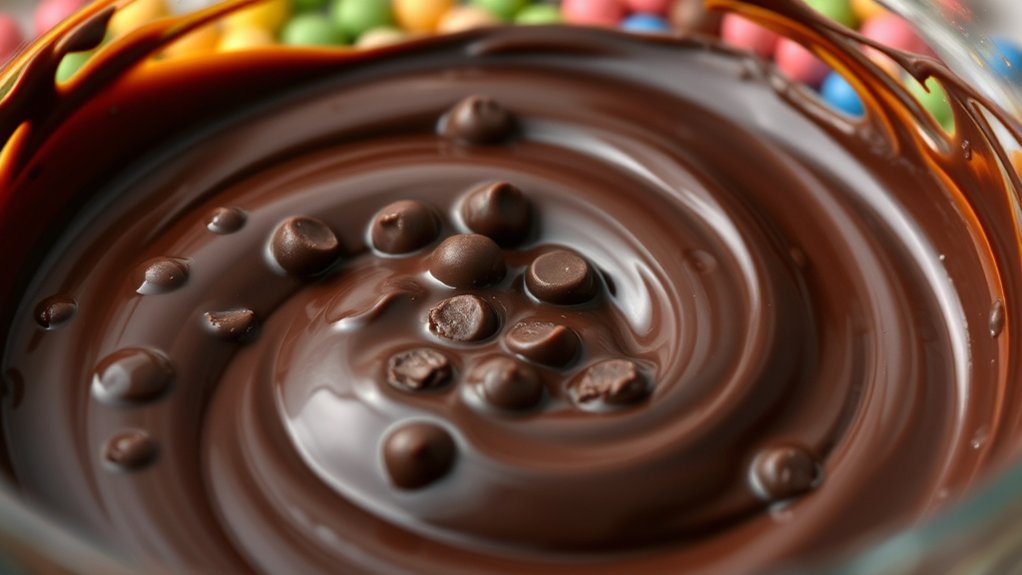
Substituting chocolate chips for candy melts is possible, but you’ll need to make some adjustments because they melt differently and taste different.
Chocolate chips tend to have more cocoa and contain stabilizers, which can cause them to seize or harden faster when melted.
When swapping, you might notice that chocolate chips give a richer, more intense chocolate flavor, while candy melts are usually milder and sweeter.
To get a smooth coating, melt the chocolate chips slowly and add a small amount of shortening or vegetable oil to help with the flow.
Keep in mind that the final look and texture might be a little different from candy melts, but it can work in a pinch.
Adjusting for flavor and melting technique will help your treats turn out delicious anyway.
Why Do Chocolate Chips Sometimes Seize or Harden When Melting?
Chocolate chips sometimes seize or harden during melting because they contain stabilizers and fats that react unpredictably to heat. When overheated or exposed to temperature changes, fats can separate, causing the chocolate to seize up.
Chocolate chips can seize or harden when overheated due to fats and stabilizers reacting unpredictably.
This results in a grainy or lumpy texture, making it hard to work with. You might also see chocolate bloom, which is a whitish coating that appears when melted chocolate cools improperly, affecting how it looks and feels.
To avoid this, steer clear of direct heat or rapid temperature changes. Excess heat can cause fats and cocoa solids to separate, leading to seizing. Rapid cooling can cause chocolate bloom, and stirring too vigorously or using contaminated utensils can introduce moisture or air that disrupts the melt.
Knowing these factors helps you control your melting process. This way, you can prevent chocolate from seizing or hardening and keep it smooth and glossy.
How to Melt Chocolate Chips Smoothly and Perfectly
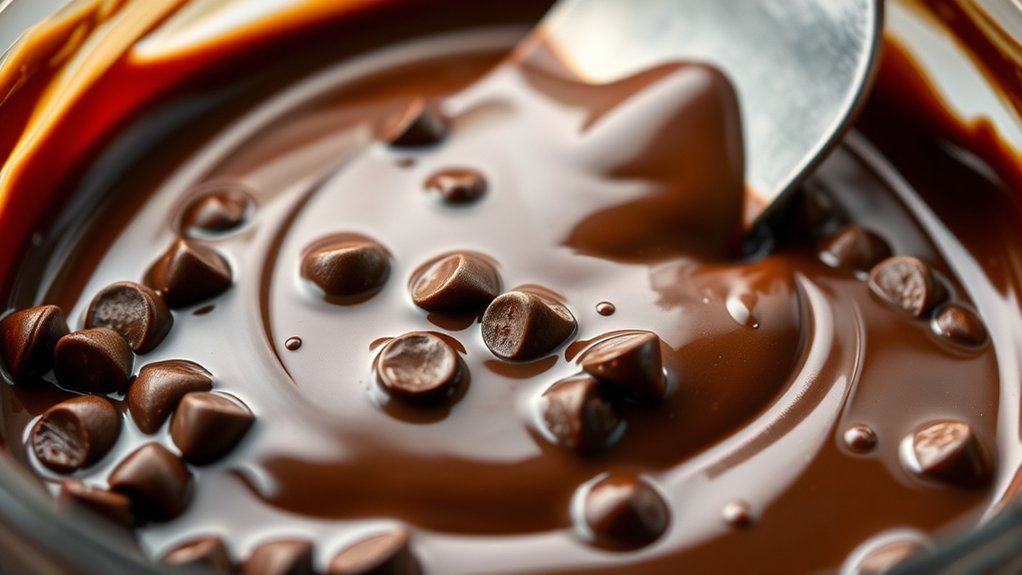
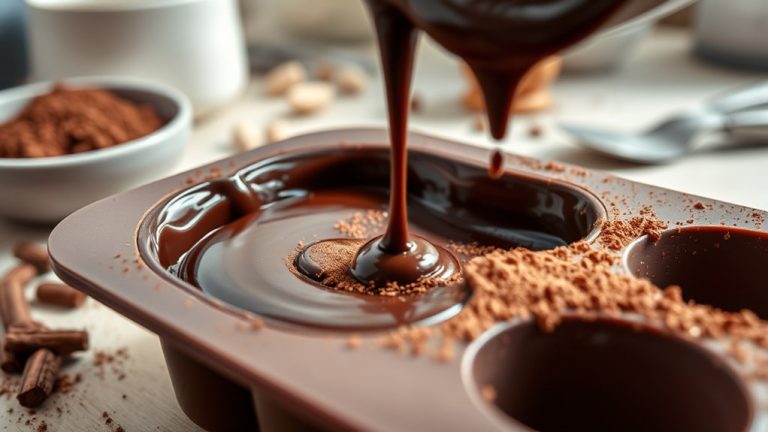
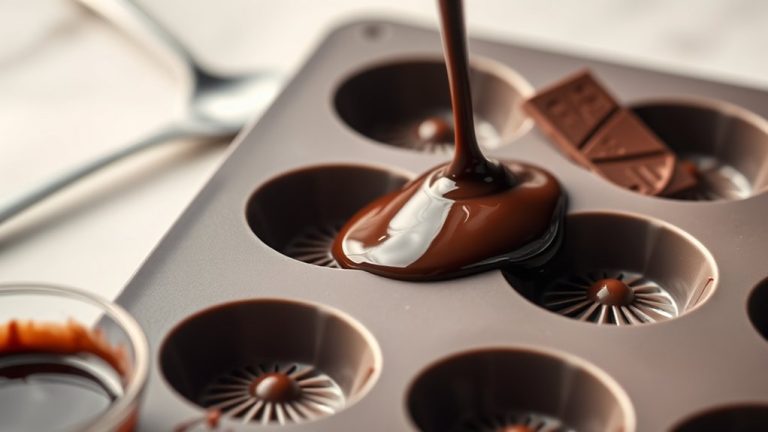
To melt chocolate chips smoothly and perfectly, it’s essential to use gentle heat and avoid rapid temperature changes. The best way is melting them slowly in a double boiler or microwave in short bursts, stirring often. This helps prevent seizing and keeps the chocolate glossy and smooth.
Once melted, you can add flavor pairings like vanilla, espresso, or liqueurs to make your treats even better. After melting, keep the chocolate at a consistent temperature for the best results, and avoid overheating, which can cause thickening or burning.
Proper storage is just as important. Store leftover melted chocolate in an airtight container at room temperature or in the fridge for longer shelf life. Just make sure it’s not exposed to humidity or heat. When you’re ready to use it again, gently reheat to keep its smooth texture.
Following these steps will give you a silky finish that’s perfect for drizzling, dipping, or molding your confections.
Will Using Chocolate Chips Change Your Treats’ Texture?
Using chocolate chips can definitely change up the texture of your treats. That’s because they melt differently and tend to set with a firmer finish compared to candy melts. So, when you use them, you might notice your treat has a crunchier bite or a less smooth surface.
It all depends on how you melt and cool the chocolate chips. These differences in melting and setting can really influence how your dessert feels in the end. So, if you’re going for a certain texture, it’s worth keeping these factors in mind!
Texture Differences Revealed
When you swap chocolate chips for candy melts, you’ll notice a difference in how your treats feel once they set. Chocolate chips tend to stay firmer and crumbly, while candy melts create a smooth, glossy coating. This really changes the overall mouthfeel and look.
Texture: Chips give a slightly gritty, more substantial bite. Candy melts are crisp and melt easily in your mouth.
Flavor profile: Chips have a richer, cocoa-forward taste. Candy melts are sweeter and milder.
Color options: Candy melts come in bright, uniform colors. Chocolate chips have a more natural, subdued hue.
Finish: Candy melts give a shiny, professional look. Chips give a rustic, homemade vibe.
These differences don’t just affect how your treats look but also how they feel when you eat them.
Melting and Setting Variations
Because chocolate chips and candy melts melt differently, swapping one for the other can really change your treats’ texture as they set. Chocolate chips tend to hold their shape more and can turn out a little grainy or firm once cooled. Candy melts melt smoothly into a shiny, even coating.
This difference affects how your treats look and feel in your mouth. Using chocolate chips also gives you more flavor options with different types like dark, milk, or white chocolate, adding more complexity to your dessert.
Storage tips are important too. Chocolate chips need airtight containers to prevent blooming, while candy melts should be kept in a cool, dry place to stay their best. These differences influence how they melt, set, and the overall quality of your treats.
How to Troubleshoot Common Melting Problems With Chocolate Chips
Melting chocolate chips can sometimes be tricky, especially if they don’t turn out smooth and glossy. If your chocolate isn’t melting well, check these common issues:
Overheating can cause seizing or burning. Use low heat or microwave in short bursts to avoid this.
Moisture from water or steam can make chocolate seize up. Keep utensils dry and avoid steam from boiling water.
Packaging considerations matter too. Use microwave-safe or heatproof bowls instead of plastic packaging that may contain additives affecting melting.
Flavor pairing is important. Some flavorings or additives don’t melt smoothly. Stick to plain chips for a better, more consistent melt.
To troubleshoot, gently reheat the chocolate or add a small amount of vegetable oil to make it smoother. Proper packaging and mindful flavor choices help guarantee your chocolate melts evenly and stays glossy.
When Are Candy Melts the Better Choice?
Candy melts are often the better choice when you need a smooth, uniform coating that doesn’t require tempering. They melt easily and create a sleek finish, making them ideal for dipping, coating, or decorating baked goods.
If you’re pairing with flavors like peanut butter, fruit, or vanilla, candy melts add a subtle sweetness that complements these profiles well. Plus, they’re versatile for various decorations, such as drizzles or molded shapes.
When storing candy melts, keep them in an airtight container in a cool, dry place to prevent melting or discoloration. Proper storage guarantees they stay fresh and maintain their texture for future projects.
If you want consistent results and a glossy appearance in your treats, candy melts are your best bet. They’re especially useful when you want a quick, easy way to add colorful, professional-looking finishes without the fuss of tempering or complex flavor pairings.
Tips for Substituting Chocolate Chips Successfully in Recipes
When substituting chocolate chips in a recipe, it’s important to consider their size, texture, and melting point to get the best results. Since chocolate chips hold their shape better than candy melts, you might need to change your approach.
To ensure success, try these tips:
Melt gently—use low heat or a double boiler to prevent burning.
Enhance flavor pairings—combine with nuts, fruits, or salty ingredients to boost the chocolate’s flavor.
Adjust texture—if you want a smoother consistency, melt the chips thoroughly and stir until glossy.
Store properly—keep them in airtight containers in a cool, dry place to stay fresh and prevent blooming.
Final Tips: Achieving the Best Results When Using Chocolate Chips
To get the best results when using chocolate chips, it’s important to handle and store them properly. Keep your chips in an airtight container in a cool, dry place to prevent melting or blooming.
When melting chocolate chips, use gentle heat—either a double boiler or microwave in short bursts—and stir frequently to get a smooth consistency. This helps melt the chips evenly without burning.
For flavor pairings, consider adding nuts, dried fruits, or a sprinkle of sea salt. These extras can really enhance the taste and create a balanced flavor profile.
Be mindful of how chocolate chips interact with other ingredients to avoid overpowering your baked goods. Proper storage and handling will preserve their flavor and improve texture.
Keep chips away from moisture and direct sunlight, which can cause clumping or spoilage. Storing them correctly ensures they stay fresh longer.
Frequently Asked Questions
Do Chocolate Chips Taste Different From Candy Melts?
Chocolate chips taste different from candy melts because of their flavor comparison. Chips have a richer, more cocoa-forward taste, while melts are sweeter and milder.
Texture differences also stand out. Chips hold their shape and have a firm bite, whereas melts melt smoothly and quickly.
When you swap them, expect a flavor shift and altered consistency, which can impact your recipe’s final look and taste.
Can Chocolate Chips Be Used for Coating or Dipping?
Using chocolate chips for coating or dipping is doable, but expect some texture differences. Think of it like trying to cover a smooth stone with rough sandpaper—chocolate chips can be a bit chunkier and less fluid.
They may not melt as smoothly or evenly, especially if they contain stabilizers or added ingredients. For flavor variations, chips offer richer chocolate tastes.
But for a sleek coating, candy melts usually work better.
How Does the Melting Time Compare Between Chocolate Chips and Candy Melts?
Chocolate chips melt slower than candy melts because of their higher cocoa content and added stabilizers. You might need to adjust the temperature, melting them at a slightly lower heat to avoid burning, and stir more often.
The melting speed varies, but generally, candy melts melt faster and more smoothly, making them easier for coating and dipping. Expect to spend a bit more time melting chocolate chips thoroughly.
Are There Specific Brands of Chocolate Chips Better for Melting?
Some brands of chocolate chips, like Ghirardelli and Guittard, are better for melting because they melt more smoothly and have a richer flavor. These brands use higher-quality chocolate with fewer stabilizers, making them perfect for coating or drizzling.
Cheaper brands might not melt as well and can seize up or become grainy. For the best results, go for premium brands to ensure your treats have a nice, consistent texture and delicious flavor.
Will Using Chocolate Chips Affect the Color of My Treats?
You might think chocolate chips will keep your treats uniformly colorful, but ironically, they can actually affect the color consistency.
Since chocolate chips often contain stabilizers and different cocoa content, your treats may turn out with uneven hues.
Plus, the rich chocolate flavor can overpower or alter the visual appeal.
So, while they melt just fine, expect some surprises in the final color.
It’s a small twist in your culinary masterpiece.
Conclusion
When you’re wondering whether chocolate chips can substitute candy melts, remember: the magic lies in mastering the melt. With a bit of patience and practice, you’ll transform tiny chips into smooth, shiny splendor.
Whether you’re tackling tempting treats or delicate decorations, understanding their differences helps you decide. Chocolate chips and candy melts melt differently, so knowing how they behave can make or break your project.
So, stir, melt, and succeed—turning your culinary creations from chaos to charm with confidence, creativity, and a touch of chocolatey charm. Using chocolate chips instead of candy melts can work beautifully if you know how to handle them right.