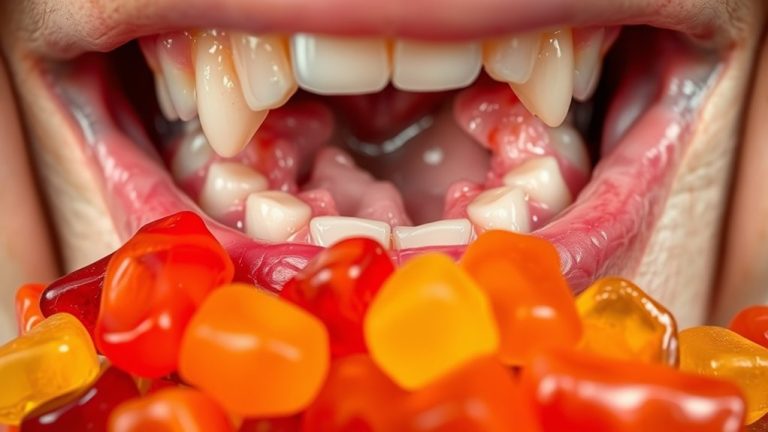

How Gummy Candy Can Cause Bowel Obstruction
Many people love indulging in gummy candies, but you’re not alone if you’ve ever worried about potential health risks. Gummy candies are fun and tasty, but they can pose some surprises for your digestive system.
Gummy candies can cause bowel obstructions because their sticky, chewy texture makes them hard to break down and pass through your digestive system. When you swallow gummies without thoroughly chewing, they may cling to your intestinal walls and other foods, increasing the risk of blockage—especially if you eat a lot or have digestive issues.
If you want to understand how to enjoy gummies safely and avoid health problems, there’s more to explore below.
Key Takeaways
- The sticky, chewy texture of gummies can cling to intestinal walls, blocking food passage.
- Ingredients like gelatin and sweeteners create dense, elastic, and hard-to-digest substances.
- Eating too many or having slow digestion increases the risk of buildup and bowel blockage.
- Gummies resist breakdown in the stomach, making them more likely to cause obstructions in the intestines.
- Swallowing gummies without thorough chewing boosts adhesion and the chance of bowel impaction.
How Gummy Candy Can Cause Bowel Obstructions

Gummy candy can cause bowel obstructions because of its sticky, chewy texture that can easily cling to other materials in your digestive system. Its ingredients include gelatin, sweeteners, and flavorings, which give it a dense, elastic consistency.
During manufacturing, these ingredients are heated and mixed into a thick, pliable mass, then shaped into gummy pieces. This process makes the candy inherently sticky and hard to digest.
Gummy candies are heated, mixed into a pliable mass, then shaped, making them sticky and difficult to digest.
When you eat a lot of gummies or if your digestion is slow, they can stick together and to the walls of your intestines. The high sugar content and chewy texture make it tough for your body to break down and pass the candy smoothly.
Over time, this can lead to blockages, especially if gummies pile up with other indigestible materials. Knowing what’s in gummy candy and how it’s made helps explain how it can pose a risk for bowel obstructions.
Why Sticky Gummy Candies Can Block Your Digestive Tract
Because of their sticky and chewy nature, gummy candies tend to stick to the walls of your digestive tract, which can increase the risk of blockages. Their texture is designed to be soft but sticky, making them hard to pass through your system if you don’t chew them well.
During manufacturing, ingredients like gelatin and sweeteners give gummies a dense, chewy consistency that helps them stick. When you swallow these candies without chewing thoroughly, they can cling to the walls of your intestines.
Over time, these sticky pieces can build up and cause a stubborn obstruction, especially if eaten along with other hard-to-digest foods. Their stickiness makes them more likely to adhere to your digestive lining, slowing down normal movement.
This risk is higher in people with slower digestion or existing health conditions, which can increase the chance of a serious bowel blockage.
How Gummy Candy Moves Through Your Digestive System
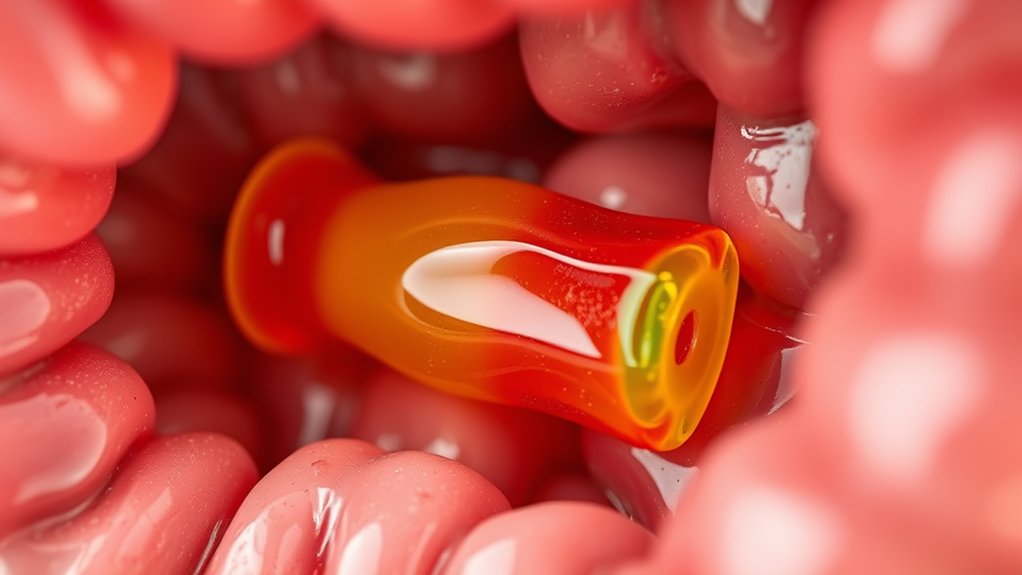
When you swallow gummy candies, they move quickly through your mouth and esophagus, pushed along by your swallowing reflex. Once in your stomach, digestion starts, but the candy’s unique texture affects how it travels through your digestive system.
Gummy candies move swiftly through your mouth and esophagus, guided by your swallowing reflex.
The chewy, sticky consistency can slow down the process, especially if you eat a lot at once. In your stomach, stomach acids begin breaking down the outer layer, but the chewy center resists quick digestion.
Next, the gummy piece moves into your intestines, where muscle contractions called peristalsis push it along. Because of its sticky nature, it might cling to the intestinal walls or other food, which can slow things down even more.
If you eat too many gummies, they can build up and cause a partial or full bowel blockage. Knowing how the candy’s texture impacts digestion helps explain why eating too many can sometimes lead to problems.
Recognizing Symptoms of a Gummy Candy Bowel Blockage
A bowel blockage caused by gummy candy can develop gradually or suddenly, and recognizing the symptoms early is vital. You might experience persistent abdominal pain, cramping, or a feeling of fullness that doesn’t go away.
Nausea and vomiting are common signs, especially if the blockage worsens. You may notice that you’re unable to pass gas or have a bowel movement, which indicates a serious issue.
Keep in mind that while gummy candies have minimal benefits, they can sometimes lead to obstructions if eaten excessively or without proper chewing. If you suspect a gummy candy-related blockage, seek medical attention immediately.
Recognizing these symptoms early can help prevent complications. For those looking for healthier options, exploring snacks with fiber or lower sugar content can help avoid digestive issues.
Pay attention to your body’s signals, especially if you’ve recently eaten a lot of gummy candies.
Who’s Most at Risk of Candy-Induced Obstructions

Certain groups are more vulnerable to developing bowel obstructions from gummy candies, often due to underlying health conditions or age-related factors. These individuals should be especially cautious because their bodies may struggle to process the high sugar content or dense texture caused by candy manufacturing.
You’re most at risk if you:
- Have a history of gastrointestinal issues or previous bowel surgeries.
- Are elderly, as aging reduces bowel motility.
- Suffer from conditions like diabetes that affect digestion.
- Consume large amounts of gummy candies with high sugar content regularly.
The high sugar content in gummies can lead to constipation and blockages, especially when combined with their sticky texture. It’s important to understand that candy-making techniques, which focus on creating chewy and appealing textures, can increase risks for certain people. Being aware of these dangers can help prevent serious complications.
How Eating Excess Gummy Candy Increases Blockage Risk
Consuming large amounts of gummy candy can significantly raise your risk of bowel obstruction because the high sugar content and sticky texture can cause stool to harden and become difficult to pass.
Gummy candy ingredients like gelatin, glucose syrup, and sweeteners make it chewy and sticky. When you eat a lot of it, these ingredients can stick together and cling to your digestive tract.
This makes stool less flexible and harder to move through your intestines. The manufacturing process combines these ingredients under heat, creating a dense, sticky product that tends to stick inside your gut.
Eating excessive amounts means more of these sticky substances lining your digestive system, increasing the chance of a blockage. Over time, this buildup can harden and obstruct bowel movements.
What to Do If You Suspect a Bowel Obstruction From Candy
If you think you might have a bowel obstruction from eating gummy candy, it’s important to watch out for symptoms like really bad pain, feeling nauseous, or not being able to pass stool. These signs can be serious, so don’t ignore them.
If you notice any of these symptoms, it’s best to get medical help right away. Don’t wait around—seeing a doctor quickly can help figure out what’s going on and prevent things from getting worse. Acting fast is key to keeping yourself safe and making sure you get the right treatment.
Recognizing Obstruction Symptoms
Recognizing the signs of a bowel obstruction early can be life-saving, especially if candy or other objects have caused it. Gummy candies, because of their shape and sticky texture, can sometimes lead to blockages. Keep an eye out for these symptoms:
- Severe abdominal pain or cramping
- Nausea or vomiting, sometimes with undigested gummy pieces
- Swelling or tenderness in your abdomen
- Inability to pass gas or bowel movements
If you notice any of these signs, especially after eating gummy candies, don’t ignore them. Candy manufacturing can sometimes produce candies that are hard to pass, so recognizing these symptoms quickly is crucial. Acting fast can prevent complications and ensure you get the medical help you need.
Seeking Immediate Medical Help
When you notice symptoms like severe abdominal pain, vomiting, or an inability to pass gas after eating gummy candies, it’s important to seek medical help immediately. Don’t ignore these signs, especially if you have a history of gummy candy allergies, which can make symptoms worse.
If you suspect a bowel obstruction, avoid trying home remedies or eating more candy. Contact a healthcare professional right away to prevent complications. Also, check that your candy packaging was safe; poorly sealed or damaged packaging can increase risks.
Prompt medical attention ensures proper diagnosis and treatment, helping you avoid serious issues. Remember, quick action is essential to protect your health if you experience any signs of a bowel obstruction from gummy candy ingestion.
Tips to Enjoy Gummy Candies Safely and Prevent Health Risks
If you want to enjoy gummy candies without any worries, just remember to eat them in moderation and keep an eye on your portion sizes. It’s easy to get carried away, but taking small servings helps you avoid overdoing it.
Also, don’t forget to stay hydrated while snacking on gummies. Drinking water can help prevent choking and make digestion smoother.
Practice Moderation and Portion Control
Practicing moderation and portion control is key to enjoying gummy candies without risking health issues like bowel obstruction. Overindulging can cause excessive fiber intake, especially from candies with added flavor additives or certain manufacturing processes.
To stay safe, limit yourself to a handful of gummies at a time. Check ingredient labels for artificial flavor additives that might cause digestive discomfort. Avoid eating large amounts in one sitting, especially if they have high sugar or gelatin content.
Balance your candy consumption with plenty of water and fiber-rich foods to help digestion. This way, you can enjoy your treats without overdoing it.
Stay Hydrated During Consumption
Staying well-hydrated while enjoying gummy candies is essential for preventing digestive discomfort and reducing the risk of bowel obstruction. Hydration importance becomes clear when you consider how gummy candies are high in sticky, gelatinous ingredients that can cling to your digestive tract.
To enjoy candies safely, drink plenty of water before, during, and after consumption. Conduct a candy ingredient analysis to understand what you’re ingesting; some ingredients, like gelatin and high sugar content, can cause blockages if not flushed out properly.
Proper hydration helps break down sticky substances and keeps your digestive system moving smoothly. Remember, staying hydrated isn’t just about quenching thirst—it’s a key step in protecting your gut health while indulging in gummy treats.
When to Seek Medical Help for Candy-Related Digestive Problems
If you notice persistent or worsening symptoms after eating gummy candies, you should seek medical help quickly. Severe abdominal pain, vomiting, inability to pass stool or gas, or noticeable swelling are signs you need to see a doctor right away.
Gummy candies are high in sugar, and their chewy texture from manufacturing can increase the risk of bowel obstruction if you’re not careful. Pay attention if symptoms get worse or don’t improve.
You should see a doctor if:
- Pain becomes intense or doesn’t go away
- You experience ongoing nausea or vomiting
- You notice big changes in your bowel movements
- Symptoms last more than 24 hours even after trying home remedies
Getting medical help early is important to avoid serious complications. Don’t ignore these warning signs, especially if you ate a lot of gummy candies or have digestive issues. Acting quickly can prevent bigger health problems.
Preventive Strategies to Avoid Candy-Related Bowel Blockages
Taking steps to prevent gummy candy from causing a bowel blockage can save you from painful and potentially serious health issues. One effective strategy is to be mindful of candy manufacturing, especially the gummy texture.
Gummy candies often have a sticky, dense consistency that can cling to the digestive tract, increasing the risk of obstruction. To avoid this, limit your intake of large quantities of gummies and always chew thoroughly before swallowing.
Drinking plenty of water helps soften the gummy texture, making it easier to pass through your digestive system. If you have a history of digestive problems or swallowing difficulties, consider choosing softer candies or avoiding them altogether.
It’s also smart to read labels and be aware of ingredients that might make the gummy texture more prone to causing blockages. Staying vigilant about your candy consumption can considerably reduce your risk of a bowel obstruction.
Frequently Asked Questions
Can Gummy Candies Cause Complications Beyond Bowel Obstruction?
Gummy candies can cause complications beyond bowel obstruction, especially if you have dietary restrictions or underlying health conditions. They often contain high sugar and artificial additives, which may affect blood sugar levels or trigger allergic reactions.
For gummy candy safety, it’s important to eat them in moderation and be mindful of any dietary restrictions. Overdoing it can lead to digestive issues, dental problems, or even worsen existing health concerns.
Are Certain Flavors or Ingredients in Gummies More Likely to Cause Blockages?
Certain flavors or ingredients in gummies are more likely to cause blockages, especially if you have ingredient sensitivities. Flavor additives like artificial dyes or high-fructose corn syrup can irritate your digestive system.
Sticky textures from gelatin or pectin may cling and form a clog. You’re walking a tightrope when eating gummies with these ingredients, so paying attention to labels helps prevent potential issues.
How Long Does It Typically Take for a Gummy Candy to Cause an Obstruction?
It usually takes anywhere from a few hours to a couple of days for a gummy candy to cause an obstruction. The time depends on how sticky and big the gummy is.
If the gummy is large or especially sticky, it’s more likely to get stuck in your intestines quickly. You might start noticing symptoms within 24 to 48 hours.
To stay safe, don’t ignore ongoing discomfort after eating gummies, especially if they’re thick or chewy.
Can Children or Elderly Individuals Recover From Gummy Candy-Related Obstructions?
Children and elderly individuals can recover from gummy candy-related obstructions, especially if they get prompt medical treatment. How well they recover depends on how severe the blockage is and where it’s located.
To help keep their digestive health in good shape and prevent future problems, make sure they get enough dietary fiber and practice good digestive habits. Medical procedures like endoscopy or surgery might be needed, but catching the issue early really boosts the chances of a full recovery.
Are There Specific Gummy Candy Brands Safer for Digestion?
Think of gummy candies as little traps waiting to snag your digestion. No specific brands are completely safe, as gummy candy ingredients like gelatin, sugar, and artificial additives can pose risks.
To keep your digestion happy, choose treats with natural ingredients and avoid overly sticky or hard gummies. Always read labels carefully.
Conclusion
While gummy candies are tasty treats, they can pose serious health risks if not enjoyed carefully. In some cases, eating too many or not chewing properly can lead to a bowel obstruction.
Don’t let the fear of a blockage ruin your sweet moments. Just be mindful of portion sizes and chew thoroughly. Moderation is key to enjoying your favorites safely.
Remember, staying aware and acting quickly if you notice symptoms can make all the difference. Gummy candy can be safe to enjoy, but it’s important to be cautious to avoid a bowel obstruction.
Your health is worth savoring every bite without risking a trip to the doctor.