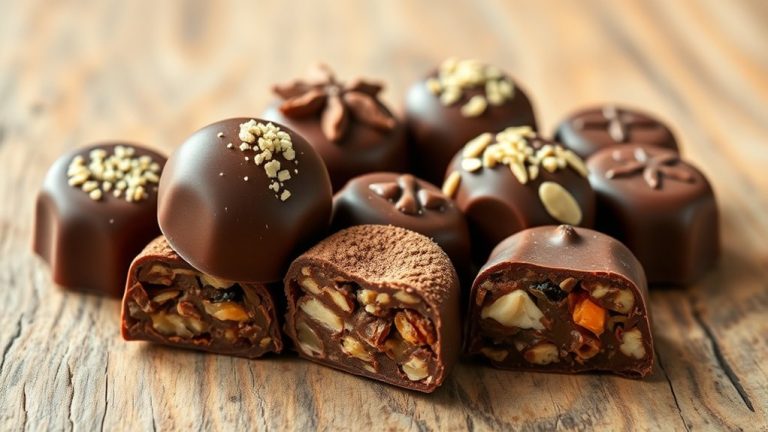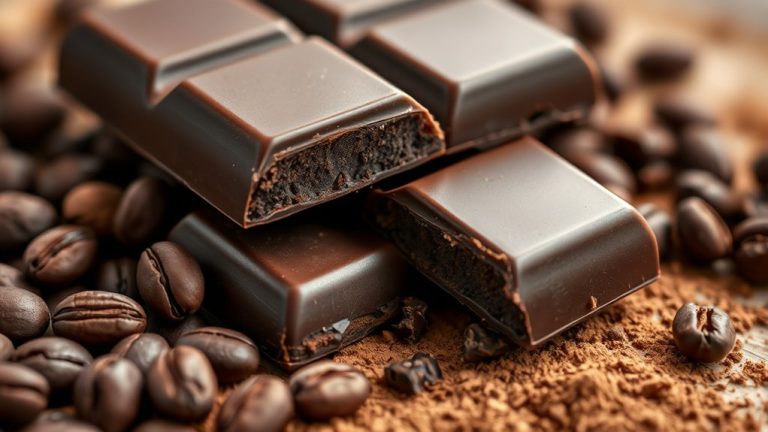
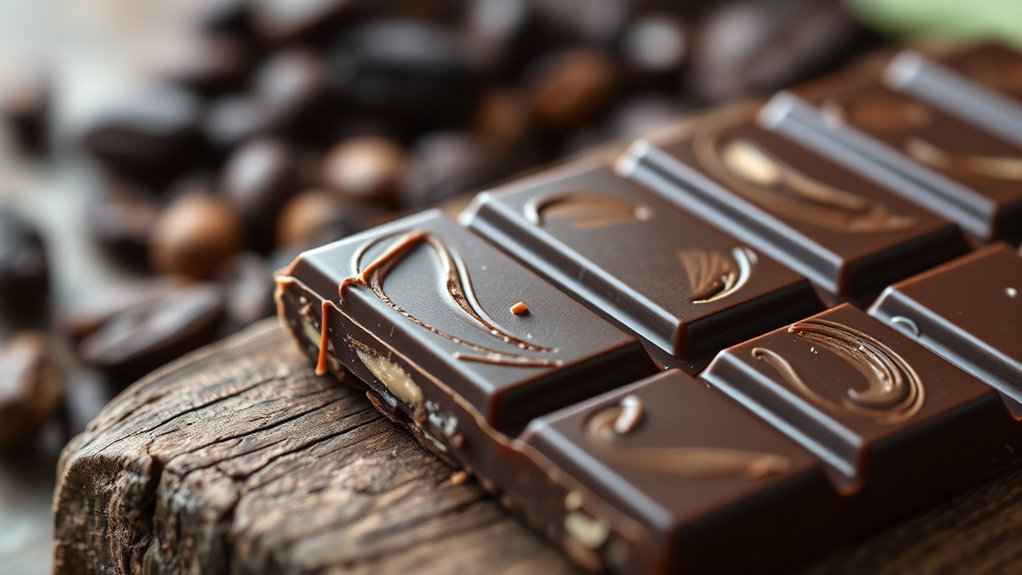
What Drives Chocolate Candy to Be So Expensive?
Many of us love indulging in chocolate candy, but let’s be honest — it can get pretty expensive. If you’re wondering why those sweet treats cost so much, you’re not alone. Several factors drive up the prices, making that bar or box a little harder to justify.
The high cost of chocolate candy is driven by rising raw material prices like cocoa, sugar, and dairy, plus increased costs for production, quality control, and packaging. Ethical sourcing practices, such as fair trade and sustainable farming, also add to expenses.
Market demand, brand strength, and packaging innovations influence prices further. Supply chain disruptions and seasonal weather impacts can cause shortages and price spikes. If you want to understand the full picture, keep exploring these factors in more detail.
Key Takeaways
- Premium ingredients, artisanal craftsmanship, and sustainable sourcing really hike up production costs.
- Marketing, branding, and luxury packaging boost perceived value and retail prices.
- Fluctuations in raw materials like cocoa, sugar, and dairy cause price swings.
- Ethical practices such as fair trade and eco-friendly efforts add to manufacturing expenses.
- Market demand, limited availability, and environmental factors can lead to supply shortages and higher prices.
Why Are Chocolate Prices Rising?
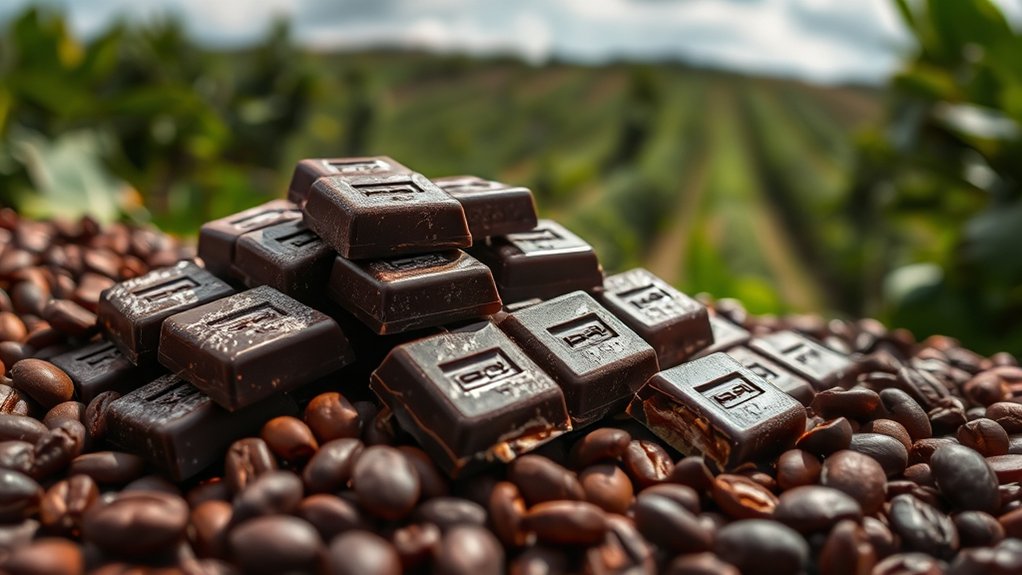
You might have noticed that chocolate prices are climbing, and several factors are behind this trend. One major reason is the growing demand for unique chocolate flavors.
Consumers now want premium and innovative options, which pushes brands to spend more on developing new tastes. That can increase production costs and, in turn, raise prices.
Rising demand for premium and innovative chocolates drives up development costs and ultimately higher prices.
Marketing plays a big role too. Companies invest heavily in advertising to attract customers, especially with new flavors or limited editions.
These marketing efforts boost sales but also add to expenses, which are often passed on as higher prices for you.
Plus, the desire for specialty chocolates with exotic ingredients or ethical sourcing adds extra costs.
Brands compete for your attention and loyalty, often focusing on marketing that makes their products seem more valuable.
All these factors—flavor innovation and strategic marketing—help explain why chocolate prices keep rising.
What Factors Drive Up Raw Material Costs?
Rising raw material costs are a big reason why chocolate prices keep going up. When the prices of key ingredients increase, it directly affects the overall cost.
Here’s what causes those costs to rise:
- Cocoa prices: Fluctuations in supply and demand for cocoa impact both the flavor and the cost of chocolate.
- Sugar and dairy: Growing global demand and higher transportation costs push up the price of these essential ingredients.
- Packaging design: Fancy or eco-friendly packaging can add to raw material expenses, especially if it’s complex or premium.
- Sourcing challenges: Disruptions like bad weather or political issues in supply regions can drive up costs.
All these factors add to the raw material costs, which manufacturers often pass on to consumers. As raw material prices climb, so does the price of making chocolate, making your favorite treats more expensive.
How Do Production and Manufacturing Expenses Affect Chocolate Prices?
Your chocolate’s production costs can really impact how much you end up paying for it, especially if the factory expenses go up. Things like the ingredients, labor, and equipment all play a role here. When those costs increase, manufacturers often have to raise the prices of their chocolates to cover them.
Plus, the process of making chocolate can be pretty complex. There’s a lot that goes into ensuring it’s just right—from refining the beans to strict quality checks. All of these steps add to the overall manufacturing expenses. So, when a company invests more in making sure their chocolate is top-notch, the final price can end up being higher for us consumers. That’s why some chocolates cost more than others—it’s all about those production and manufacturing costs.
Raw Material Costs
How do the costs of raw materials influence the price of chocolate candy? The price you pay often depends on the cost of key ingredients and how they impact production. Here are four factors to consider:
- Cocoa Prices: Fluctuations in cocoa costs directly affect the flavor quality and the overall price of chocolate. When cocoa prices go up, so does the cost of making chocolate.
- Sugar and Dairy: Changes in sugar and milk prices influence production expenses. Higher prices here can make the final product more expensive and less affordable.
- Packaging Innovation: Using advanced packaging materials can increase costs, but they also help improve shelf life and make the product more appealing.
- Supply Chain Stability: Disruptions in sourcing raw materials lead to higher prices and can impact the final cost you see at checkout.
All these factors work together to shape how raw material costs influence the price of chocolate candy, balancing quality and innovation.
Manufacturing Complexity
Manufacturing complexity plays a big role in how chocolate prices are set. More intricate processes mean higher costs for labor, equipment, and quality checks.
When artisans focus on craftsmanship, they often spend extra time on details, which increases costs. Similarly, flavor innovation needs special techniques, rare ingredients, and careful testing, all of which raise production expenses.
Here’s a quick look at the main factors:
| Aspect | Impact on Cost | Resulting Price Increase |
|---|---|---|
| Artisan craftsmanship | Skilled labor and more time | Higher labor costs, premium prices |
| Flavor innovation | Unique techniques and ingredients | More R&D and production costs |
| Equipment | Specialized machinery | Investment drives up manufacturing costs |
All this complexity makes premium chocolates more expensive for consumers.
Quality Control Expenses
Have you ever wondered why premium chocolates often come with a higher price tag? It’s mainly due to increased quality control expenses. To guarantee better flavor and safety, chocolate makers spend a lot on quality assurance.
This means strict ingredient sourcing, where only the best cocoa beans and ingredients are chosen, often at higher costs. They also do rigorous testing to prevent contamination or quality issues.
Here are four key factors affecting costs:
- Better ingredient sourcing for premium components
- Regular testing to keep safety standards
- Skilled staff overseeing quality checks
- Advanced machinery for precise production
All these efforts ensure a high-quality product but also increase the price, reflecting the attention to detail and safety standards.
Does Ethical Sourcing Make Chocolate More Expensive?
Ethical sourcing often adds to the cost of producing chocolate because it involves higher expenses for fair wages, sustainable farming practices, and environmentally friendly methods. When a chocolate brand seeks ethical certification or fair trade status, they commit to paying farmers fair prices, which can be higher than conventional rates.
These certifications also require strict adherence to labor standards, preventing exploitation and child labor. Implementing sustainable farming methods like crop rotation and eco-friendly pest control can increase production costs but benefit the environment and farmers’ livelihoods.
All these factors contribute to the overall price of the chocolate, as companies pass some of these costs onto consumers. While ethically sourced chocolates tend to be more expensive, many consumers are willing to pay extra for products that support fair treatment, sustainability, and environmental responsibility.
Consequently, ethical sourcing plays a significant role in the higher costs of certain chocolate products.
How Do Supply Chain Disruptions Impact Chocolate Costs?
Supply chain disruptions can significantly increase chocolate costs by delaying the delivery of key ingredients like cocoa and other raw materials. When shipments are late, manufacturers face shortages that push prices up.
This affects not just raw ingredient costs but also the final product, including flavor and packaging. Disruptions can lead to ingredient shortages that force makers to find more expensive substitutes.
Transportation costs also rise due to delays, and manufacturers often pass these costs on to consumers. Plus, packaging delays slow down innovative designs, making products less appealing.
Finally, supply chain issues can cause factory shutdowns or slowdowns, reducing overall supply and pushing prices even higher.
Why Does Market Demand Influence Chocolate Prices?
Your preferences and what’s trending can really influence how much chocolate costs. When a particular flavor or brand becomes popular, more people want it, so the demand goes up.
Because of that, suppliers might try to produce more to meet the rising demand. But sometimes, the supply can’t keep up, especially if it’s a limited edition or a specialty item. That scarcity can make prices go higher.
In the end, what consumers are excited about and are willing to buy shapes the market. So, the next time you see a favorite chocolate bar priced higher, it might be because it’s in high demand!
Consumer Preferences Shape Prices
Consumer preferences play a crucial role in shaping chocolate prices because when more people desire certain types of chocolates, like premium or specialty varieties, demand increases and prices go up.
You might notice that unique flavors, such as exotic or gourmet options, tend to become more expensive as they become more popular. Packaging innovation also impacts prices; eye-catching, eco-friendly designs often come with a higher price tag.
Here are a few ways consumer preferences influence costs:
- A growing love for artisanal or craft chocolates raises demand and prices.
- Wanting innovative packaging boosts production costs.
- The popularity of particular flavors, like dark or infused chocolates, increases market value.
- Trends toward sustainable or organic chocolates lead to premium pricing.
Your changing tastes directly shape the market, making some chocolates more costly.
Popularity Affects Supply
When certain types of chocolates become more popular, manufacturers respond by adjusting how much they produce. If a trending chocolate flavor gains widespread appeal, companies increase production to meet demand, which can influence prices.
Popular chocolates often feature innovative packaging to attract consumers, boosting sales further. This surge in demand prompts suppliers to prioritize these products, limiting availability of less popular options.
As supply tightens, prices tend to rise, reflecting the market’s response to popularity shifts. When a specific chocolate flavor or stylish packaging captures consumer interest, prices tend to go up because manufacturers scale production accordingly.
This dynamic ensures that highly demanded chocolates remain priced higher, especially when innovation and flavor trends drive consumer preferences.
How Do Brand and Packaging Add to Chocolate Costs?
Brand reputation and packaging design significantly influence chocolate prices because companies spend a lot on creating attractive visuals and maintaining strong brand images. When you see premium packaging, it often shows high-quality ingredients like better chocolate flavor and innovative designs. These add to costs but also attract customers willing to pay more.
Here are four ways brand and packaging increase costs:
- Brand Identity: Building a recognizable brand involves marketing, endorsements, and consistent quality, which all raise production costs.
- Packaging Innovation: Unique, eye-catching designs or eco-friendly materials need extra research and manufacturing, adding to expenses.
- Premium Packaging: Luxury boxes or wrappers boost perceived value but also increase the overall price.
- Protecting Quality: High-end packaging keeps the chocolate fresh and prevents spoilage, requiring advanced technology that raises costs.
All these factors make chocolate more expensive because consumers associate attractive packaging and strong branding with better quality and experience.
What Taxes and Tariffs Affect Chocolate Prices?
Taxes and tariffs on imported chocolate really impact its final price. When countries slap high tariffs on certain chocolates, it gets more expensive to bring in those particular flavors or packaging.
High tariffs on imported chocolates drive up prices, affecting flavors, packaging, and overall affordability.
This, in turn, raises the wholesale price, which eventually makes its way to us. If a brand focuses on premium flavors or fancy packaging, these extra costs push the price even higher.
Specialty chocolates with exotic ingredients or intricate designs tend to face higher tariffs, making them more costly at retail. Governments often set tariffs to protect local producers, but this can make imported chocolates less affordable.
On top of that, taxes on raw materials like cocoa or packaging supplies can also add to the overall cost. So, the price you see reflects not just the quality but also the tariffs and taxes shaping the market.
These financial barriers are why some chocolates cost so much more than others.
How Do Seasonal and Environmental Factors Change Chocolate Prices?
Climate conditions have a big impact on how cocoa plants grow, which affects when the harvest happens and how much chocolate is out there. When weather patterns mess with the growing season, it can lead to a smaller supply, and that usually means prices go up.
Climate Impact on Cocoa Growth
Seasonal and environmental factors play a crucial role in shaping cocoa crop yields, which directly influence chocolate prices. Climate impacts on cocoa growth affect both the quality and quantity of harvests, making sustainability a challenge.
Droughts or heavy rains can cause significant crop damage. Here are four key ways climate influences cocoa growth:
- Temperature fluctuations can stunt cocoa development and reduce yields.
- Extended dry seasons limit water availability, hindering plant growth.
- Unpredictable rainfall patterns lead to irregular flowering and harvesting times.
- Pests and diseases thrive in changing climates, threatening crops.
Harvest Timing and Supply
The timing of the cocoa harvest is heavily influenced by seasonal and environmental factors, which can cause fluctuations in chocolate supply and prices. When harvests are delayed or disrupted by weather, supply drops, prompting higher prices. This unpredictability challenges manufacturers to innovate flavors and craft marketing strategies that keep consumers interested during shortages.
Supply inconsistencies can also impact flavor innovation, as limited harvests push producers to experiment with unique varieties to stand out. Here’s a quick look at how harvest timing impacts supply:
| Season | Environmental Challenge | Effect on Supply |
|---|---|---|
| Rainy season | Flooding, delays | Reduced harvests |
| Dry season | Drought, crop stress | Lower yields |
| Optimal period | Stable weather | Steady supply |
| Off-season | Limited harvesting window | Scarcity, high prices |
| Climate shift | Unexpected weather patterns | Market unpredictability |
What Can We Expect for Chocolate Prices in the Future?
As global factors continue to influence agricultural markets, you can expect chocolate prices to fluctuate in the coming years. Several key trends will shape these changes:
- Climate change may disrupt cocoa production, leading to higher costs and limited supply, which can drive prices up.
- Chocolate flavor innovation keeps consumers interested and willing to pay premium prices for unique or high-quality options.
- Packaging innovation reduces waste and boosts shelf appeal, often increasing production costs but potentially boosting sales.
- Supply chain disruptions from geopolitical or logistical issues can cause delays and increased transportation costs, impacting overall prices.
While some innovations may temporarily raise prices, increased efficiency and new growing regions could stabilize costs long-term. Expect fluctuations driven by environmental challenges and technological advances, making future chocolate prices more unpredictable but potentially more diverse.
Frequently Asked Questions
How Does Consumer Perception Influence the Price of Premium Chocolates?
Your perception of premium chocolates is heavily influenced by luxury branding and perceived quality, which raises their value.
When you see elegant packaging and associate the brand with exclusivity, you’re willing to pay more. This perception creates a sense of indulgence and status, making the price seem justified.
Ultimately, your belief in the luxury branding and perceived quality boosts demand, allowing manufacturers to set higher prices for these premium chocolates.
Are Specialty Ingredients Responsible for Higher Chocolate Prices?
Yes, specialty ingredients like rare cacao and artisanal techniques do make chocolate prices higher. You might think they’re just fancy add-ons, but they really impact quality and exclusivity.
When producers use rare cacao, they often face higher sourcing costs. Artisanal methods demand more time and skill, which increases production costs.
What Role Does Marketing Play in Chocolate Pricing Strategies?
Marketing plays a big role in chocolate pricing strategies by shaping branding and launching ads that justify higher prices. When you see premium branding and compelling ads, it makes you see the chocolate as more valuable, which helps brands set higher prices.
These marketing efforts create a sense of luxury and exclusivity, influencing your willingness to pay more. That, in turn, drives up the overall cost of the chocolate.
Do Regional Preferences Affect Chocolate Cost Variations?
Regional preferences and sourcing significantly influence chocolate costs. When a region favors certain flavors or types, producers might need to source rare ingredients locally or import specialty components, which can increase expenses.
Cultural preferences also play a role, affecting packaging and marketing, and adding to the overall price. If you’re in an area with unique tastes, expect higher prices because of regional sourcing and the need to cater to local preferences. This can drive up the total cost of chocolate.
How Do New Chocolate Trends Impact Overall Pricing?
New chocolate trends, like artisanal sourcing and luxury packaging, boost prices by emphasizing exclusivity and craftsmanship.
You see that premium ingredients and intricate designs attract consumers looking for something unique, which pushes costs higher.
As these trends grow in popularity, manufacturers put more into quality and presentation, turning chocolates into a luxury experience.
This change transforms everyday treats into symbols of status, which further increases their market value.
Conclusion
So, as you can see, many factors are pushing chocolate prices higher—from raw materials and ethical sourcing to supply chain issues.
But what’s next? Will these costs keep climbing, or will new solutions emerge to stabilize prices?
Stay tuned because the future of your favorite sweet treat might hold surprising twists.
One thing’s for sure: understanding what drives these costs helps you make smarter choices—and maybe even savor that chocolate a little more.